
Mrs. Lee keeps a small stack of 보자기 in a drawer beside the linen napkins. One is pale celadon, pieced from silk scraps left over from a wedding hanbok she made in the 1990s. When a friend visits with a jar of homemade 김치, the jar goes home wrapped in that cloth. The cloth almost always comes back, sometimes with something inside it.
Bojagi is a Korean wrapping cloth. It is also a small, quiet language. The color of the cloth, the way it is knotted, the fabric it is pieced from, all of it carries meaning that a Korean grandmother reads without thinking. This journal entry looks at where bojagi comes from, how it is made, and why the cloth keeps outlasting the paper and ribbon it was supposed to replace.
bojagi plays a role in the interconnectedness of nature and humanity. The use of natural materials, such as cotton, silk, or linen, signifies a respect for the environment, echoing the Korean principle of living in harmony with the earth. This profound relationship between the fabric and its cultural implications makes bojagi a unique representation of Korean identity.
As globalization and cultural exchanges flourish, the significance of bojagi has transcended its traditional confines. It has captivated international audiences, becoming a symbol of Korean heritage and artistry. The revival of interest in sustainable and mindful living has further raiseed the appeal of bojagi as a means of wrapping that aligns with contemporary values.
Today, bojagi continues to be a vital aspect of Korean culture, embodying a rich mix of meanings and traditions. Its role in celebrations, personal connections, and environmental consciousness is a testament to its enduring legacy. Through the art of wrapping, bojagi invites us to engage in meaningful exchanges, reminding us of the importance of intention and care in our interactions.
As we explore the rich history of bojagi, we begin to understand how its cultural significance has evolved and adapted over time, leading us to a deeper appreciation of this remarkable textile art form.
The Rich History of Bojagi Fabric in Korean Tradition
The history of bojagi fabric dates back to the Goryeo Dynasty (918-1392), where it was utilized for various practical purposes, including the storage and transport of food and other goods. Initially, these wraps were made from leftover fabric scraps, reflecting a resourceful approach to textile use. This practice not only minimized waste but also imbued bojagi with a sense of creativity and individual expression.
During the Joseon Dynasty (1392-1910), bojagi became more sophisticated, evolving into a symbol of status and refinement. The introduction of detailed stitching techniques and lively colors turned bojagi into an art form. It was common for women to create beautifully adorned bojagi as part of their dowry, showing their skills and creativity. The craftsmanship involved in making bojagi was celebrated and became an important aspect of a woman’s identity.
Bojagi also played a vital role in societal rituals and customs. For example, during the traditional Korean wedding ceremony, bojagi was used to wrap the bride’s belongings, symbolizing her transition to a new life. Similarly, at funerals, bojagi wrapping was employed to honor the deceased, reflecting the deep respect for ancestors and the continuity of life. These practices highlight the integration of bojagi into the fabric of daily life and significant events.
With the arrival of modernization in the late 19th and early 20th centuries, the use of bojagi began to decline as Western influences permeated Korean society. However, the 1980s saw a resurgence of interest in traditional crafts, sparking a renewed appreciation for bojagi. Artists and artisans began to experiment with the art form, incorporating contemporary designs while honoring its historical roots. This revival helped establish bojagi as a recognized art medium both in Korea and internationally.
Today, bojagi is celebrated not only as a cultural artifact but also as a living tradition that adapts to modern sensibilities. Exhibitions and workshops dedicated to bojagi have proliferated, allowing new generations to engage with this rich heritage. Through these efforts, bojagi continues to tell the story of Korean culture, weaving together history, art, and community.
As we look ahead, the history of bojagi serves as a reminder of the resilience and creativity inherent in cultural traditions, paving the way for future interpretations and expressions of this beautiful wrapping art.
Techniques and Materials Used in Bojagi Creation
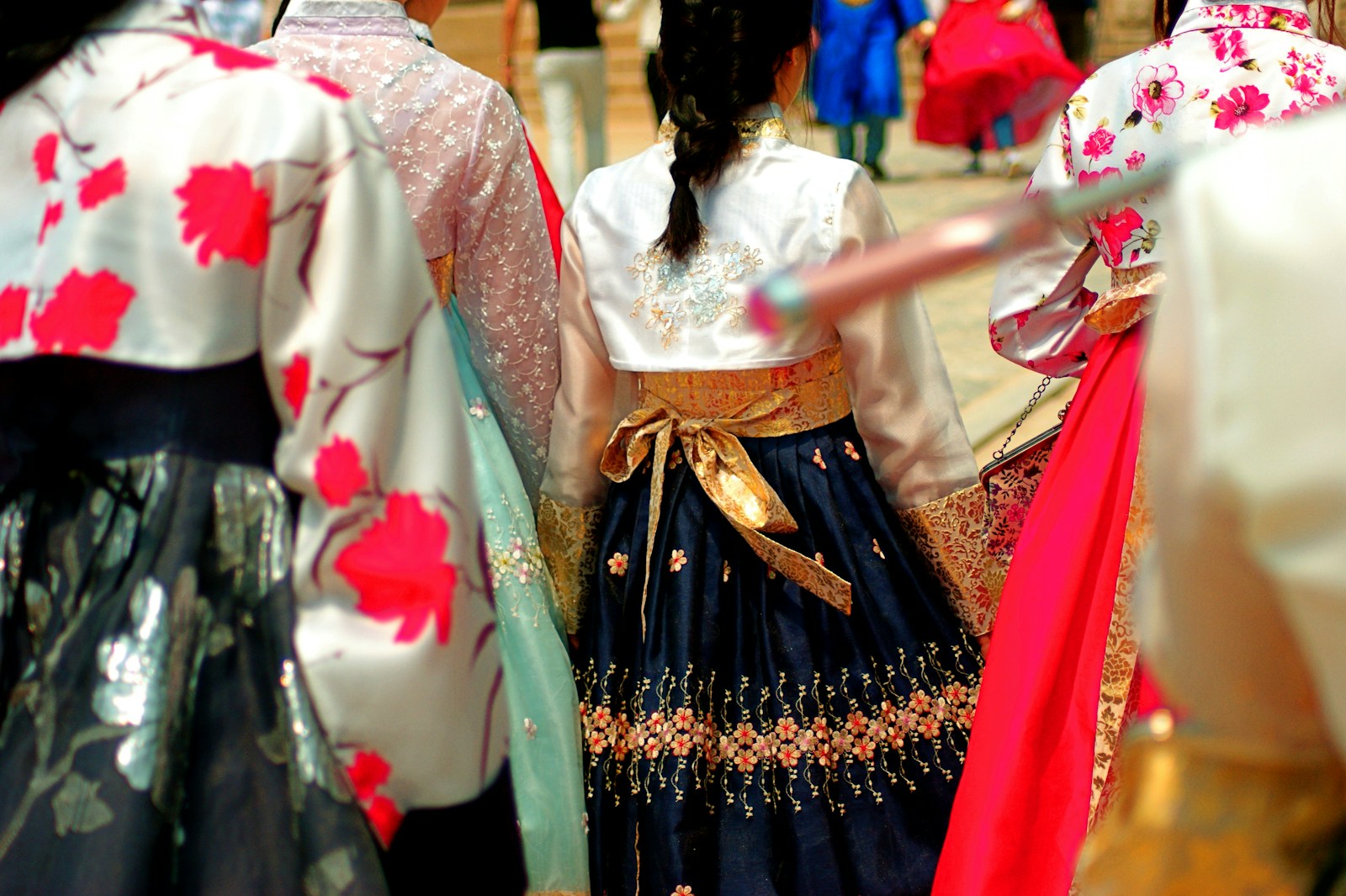
Creating bojagi involves a variety of techniques and materials, each contributing to the final piece’s beauty and functionality. Traditionally, bojagi is made from natural fabrics like cotton, silk, or linen, chosen for their durability and aesthetic appeal. The choice of material often reflects the intended use of the wrap, with lighter fabrics being preferred for delicate items and sturdier ones for heavier goods.
One of the most distinctive aspects of bojagi is its stitching technique, known as “sujeonggi.” This method involves detailed hand-sewing, typically using a simple running stitch to connect fabric pieces. The visible stitching not only serves a practical purpose but also adds to the aesthetic charm of the bojagi piece. This technique underscores the skill and dedication of the maker, as each stitch tells a story of craftsmanship and artistry.
In addition to sujeonggi, other techniques such as patchwork and dyeing are often employed in bojagi creation. Patchwork involves sewing together multiple pieces of fabric to create a lively, layered effect, while dyeing techniques, including traditional methods like indigo dyeing, enhance the colors and patterns of the fabric. These techniques allow artisans to express their creativity and individuality, resulting in unique and visually stunning wraps.
The colors used in bojagi also carry significance; each hue is imbued with meaning. For instance, red symbolizes good fortune and joy, while blue represents harmony and peace. By carefully selecting colors, makers can convey specific messages and emotions through their wraps. This thoughtful approach to color selection aligns with the broader Korean belief in the importance of symbolism in everyday life.
As contemporary artists engage with bojagi, modern materials such as synthetic fabrics and eco-friendly textiles are being incorporated into the craft. This evolution reflects a growing awareness of sustainability and environmental responsibility, ensuring that bojagi remains relevant in today’s world. The fusion of traditional techniques with innovative materials allows for endless possibilities in design and function.
Ultimately, the techniques and materials used in bojagi creation highlight the detailed relationship between culture, art, and craftsmanship. As artisans continue to explore and reinterpret these methods, the legacy of bojagi is preserved and enriched, ensuring that this beautiful tradition endures for generations to come.
Exploring the Aesthetic Appeal of Bojagi Designs
The aesthetic appeal of bojagi lies in its harmonious blend of colors, patterns, and textures. Each piece is a testament to the maker’s artistic vision, showing the beauty of simplicity and the complexity of design. The interplay of various fabric hues, often achieved through patchwork, creates a dynamic visual effect that captures the eye and evokes emotional responses.
Bojagi designs are often characterized by their geometric patterns, which reflect the Korean aesthetic of balance and symmetry. These designs can range from simple to detailed, allowing artisans to express their creativity while adhering to traditional principles. The careful arrangement of fabric pieces can create mesmerizing visual rhythms, making each bojagi wrap a unique work of art.
The use of color in bojagi is particularly noteworthy. Artisans often choose colors based on their symbolic meanings, creating wraps that resonate on multiple levels. This intentionality in color selection adds depth to the aesthetic appeal, inviting viewers to contemplate the emotions and messages conveyed through the fabric. The lively palette, combined with the richness of the materials, gives bojagi its striking appearance.
In addition to color and pattern, the textural qualities of bojagi create an engaging tactile experience. The softness of silk, the sturdiness of cotton, and the subtle sheen of linen all contribute to the overall sensory appeal. When wrapped around objects, bojagi not only looks beautiful but also feels delightful to the touch, enhancing the experience for both the giver and the recipient.
bojagi embodies the concept of “wabi-sabi,” a Japanese aesthetic that appreciates beauty in imperfection. The handmade nature of bojagi means that no two pieces are identical, celebrating the individuality of each wrap. This aspect resonates with contemporary audiences seeking authenticity and uniqueness in an increasingly mass-produced world.
As we explore the aesthetic appeal of bojagi, we find that it transcends mere decoration; it captures the essence of Korean culture and values. The detailed designs, thoughtful color choices, and rich textures invite us to appreciate the artistry behind each wrap, making bojagi a cherished symbol of beauty and meaning in both traditional and modern contexts.
Bojagi in Modern Life: From Tradition to Trend
In recent years, bojagi has experienced a renaissance, capturing the interest of designers, artists, and eco-conscious consumers around the globe. This revival is largely attributed to a growing appreciation for sustainable practices and handmade crafts, aligning perfectly with the principles embodied in bojagi. The shift towards minimalism and intentional living has further propelled bojagi into modern life as a versatile and meaningful alternative to conventional wrapping materials.
Contemporary artisans are reinterpreting bojagi for various applications beyond traditional uses. From fashion accessories such as bags and scarves to home décor items like table runners and wall hangings, the adaptability of bojagi ensures its relevance in the modern marketplace. These innovative interpretations maintain the spirit of bojagi while appealing to diverse tastes and lifestyles.
the rise of social media platforms has allowed bojagi to gain visibility beyond Korea, inspiring a global audience. Visual platforms like Instagram and Pinterest showe stunning bojagi designs, leading to a lively online community of enthusiasts and creators. This digital landscape builds collaboration and exchange, further enriching the bojagi tradition as it evolves with contemporary influences.
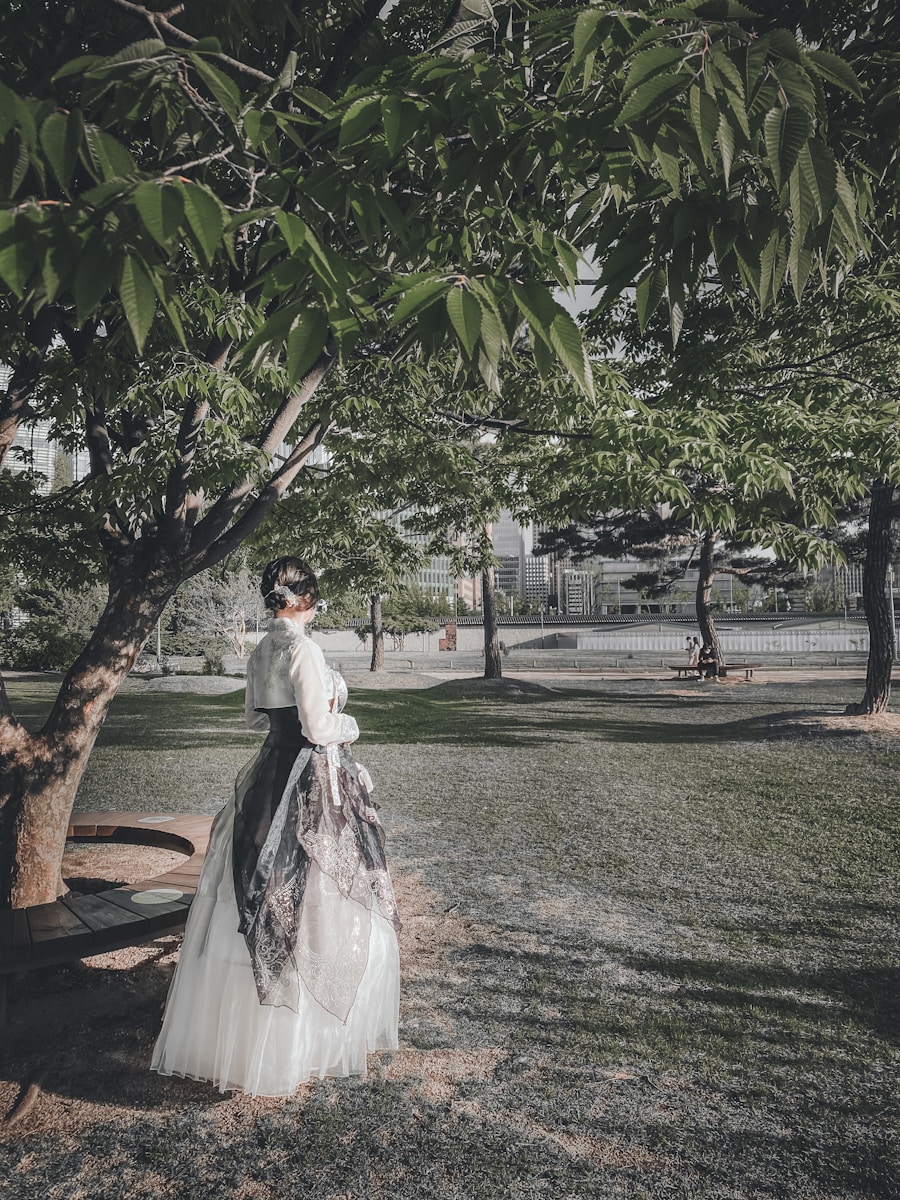
In addition to its aesthetic appeal, bojagi’s sustainability resonates with modern consumers who prioritize eco-friendly practices. By replacing single-use wrapping paper and plastic bags with reusable bojagi wraps, individuals can adopt a more environmentally responsible lifestyle. This alignment with sustainable values has positioned bojagi as a trendy choice for gift-giving, food storage, and everyday use.
Educational initiatives, workshops, and exhibitions dedicated to bojagi have also flourished, encouraging hands-on engagement with the craft. These events build a deeper understanding of bojagi’s cultural significance, techniques, and the stories behind each piece. As more people embrace the joys of making and using bojagi, the tradition continues to thrive, bridging the gap between past and present.
Ultimately, bojagi’s transition from a traditional craft to a modern trend exemplifies the dynamism of cultural practices. Its ability to adapt and resonate with contemporary values ensures that bojagi remains a cherished art form, celebrating creativity, sustainability, and the profound connections that wrapping embodies.
How to Create Your Own Bojagi Wrap: A Beginner’s Guide
Creating your own bojagi wrap can be a rewarding experience that not only connects you to a rich tradition but also allows you to express your creativity. To get started, gather the materials you’ll need: fabric (cotton or silk is ideal), scissors, thread, and a sewing needle. You can also consider using existing fabric scraps to embrace the traditional practice of resourcefulness.
Begin by deciding on the size and shape of your bojagi wrap. Traditional bojagi wraps are often square, but you can experiment with different dimensions depending on your needs. Once you have chosen your fabric, cut it to the desired size, ensuring clean edges for a polished look. If you prefer a more organic feel, you can opt for frayed edges, which add to the charm of the piece.
Next, prepare your fabric for stitching. Fold over the edges of the wrap to create a hem, securing them with pins or fabric clips. This step is crucial for maintaining a neat finish. If you want to incorporate a patchwork design, consider sewing multiple pieces of fabric together before hemming the edges. This will create a unique, personalized bojagi wrap that showes your creativity.
Using the running stitch technique (sujeonggi), start sewing along the hemmed edges of your fabric. The simplicity of this stitch allows for flexibility, so don’t worry about making it perfect; the charm of bojagi lies in its handmade quality. As you sew, take your time to enjoy the process and reflect on the tradition you are engaging with.
Once you have completed the stitching, step back and admire your creation. You can use your bojagi wrap for various purposes, whether as a gift wrap, a decorative piece, or even a functional item for carrying groceries or personal belongings. Experiment with different fabrics and techniques to continue developing your skills and personal style.
Lastly, share your bojagi wrap with friends and family, or consider participating in local workshops to connect with others who share your interest in this beautiful craft. By creating your own bojagi wraps, you contribute to the living tradition of this art form, celebrating its past while inspiring future generations to appreciate the beauty of wrapping.
Bojagi fabric, with its rich history and cultural significance, continues to inspire and captivate people worldwide. From its origins as a practical textile to its evolution as a symbol of creativity and sustainability, bojagi embodies the enduring spirit of Korean heritage. As we explore the techniques, aesthetics, and modern applications of this beautiful craft, we are reminded of the importance of intention and care in our interactions. By creating and sharing bojagi wraps, we not only connect with a centuries-old tradition but also embrace the values of mindfulness and generosity that define this remarkable art form.