
Three objects sit at the front of the table. A length of white thread, a small ink brush, a coin. The baby reaches once, and the room reads the choice out loud.
The doljabi is the small oracle inside a big party. Each object carries a wish, the thread for long life, the brush for scholarship, the coin for wealth, and modern tables add a stethoscope, a golf ball, a microphone. What each item means, why families still put them out, and how to build a doljabi table that photographs well.
Additionally, Doljabi gives families a chance to come together for a shared goal. By sharing the joy of celebrating independence and valuing family history, it strengthens ties amongst family members. Doljabi thus goes beyond its customary function, representing both individual and societal goals, which is essential for a society that values its young and future.
The nation is having conversations about its identity, and the doljabi becomes a potent representation of resiliency, optimism, and camaraderie. Within this framework, the ritual embodies a story of unanimity, highlighting the significance of shared aspirations in creating a more just society. Doljabi is present as Koreans congregate to commemorate their independence, providing a significant link to custom against the backdrop of their country’s liberation.
Doljabi rituals can change and adapt to current interpretations without losing their original meaning because they are easily accessible. Because of its adaptability, which grounds kids in their cultural roots while reflecting larger societal changes, Doljabi is a vital component of any occasion, including family get-togethers and Independence Day festivities.
The Doljabi ritual becomes richer and more subtle as participants interact with the objects and customs that represent individual and group goals. This stimulates lively discussion on identity, independence, and South Korea’s future. The way these elements interact dynamically guarantees that Doljabi will always be an important part of their culture and identity.
The Historical Background of the Celebrations of Korean Independence Day
August 15th is Korean Independence Day, which honors the country’s 1945 liberation from Japanese colonial authority. The Korean people emerged from this historic event with a revitalized feeling of independence and national identity, ushering in a new era. This day has changed over the years into a time for introspection and celebration of freedom, national sovereignty, and the innumerable lives lost in the cause of the country’s freedom.
Throughout the colonial era, this day was involved in a number of nationalist movements, uprisings, and conflicts that all contributed to its historical significance. Stories of resiliency and hope began to emerge as these movements prepared the way for future freedom, creating a story that now serves as inspiration for modern celebrations. Notably, the founding of the Korean government in 1948 strengthened the people’s resolve to achieve independence and represented a significant step forward for their empowerment.
As the country dealt with the fallout from colonialism and the Korean War, the celebrations were more muted in the early years after independence. The customs developed in the lead-up to Independence Day symbolized a society that was starting to mend and rebuild. A framework for recognizing the country’s historical narrative developed, encompassing anything from neighborhood meetings to speeches honoring liberation warriors.
Independence Day festivities in South Korea became more joyous and inclusive as the country developed into a thriving democracy, including customs like doljabi. This blending of the ancient and the new shows how the country has moved toward contemporary symbols of national pride while still embracing its legacy. In this setting, Doljabi’s lighthearted elements symbolize a more optimistic future and fit in perfectly with the larger themes of Independence Day celebrations.
Today, events honoring the development of Korean society on Independence Day are both solemn and joyous. With traditional costume parades and sky-lit pyrotechnics, the day embodies the culture, history, and ambitions of a country striving to respect its heritage while looking to the future.
The historical setting of Korean Independence Day facilitates continuous discussion on freedom and belonging as the country’s identity continues to change. These conversations are improved by rituals such as Doljabi, which serve as a helpful reminder to participants of their duties as guardians of their legacy and guarantee that the hopes they had for their independence are fulfilled for future generations.

Important Signs and Customs Associated with Doljabi Occasions
Rich in symbolic value, the Doljabi ceremony is especially meaningful when observed on Korean Independence Day. Among these symbols, the objects selected for the event are significant since they each stand for various future goals. For example, a piece of jewelry may allude to money and prosperity, while a book may represent knowledge and academic achievement. These objects symbolize the various trajectories that people can pursue, reflecting the variety of potentials existing in society.
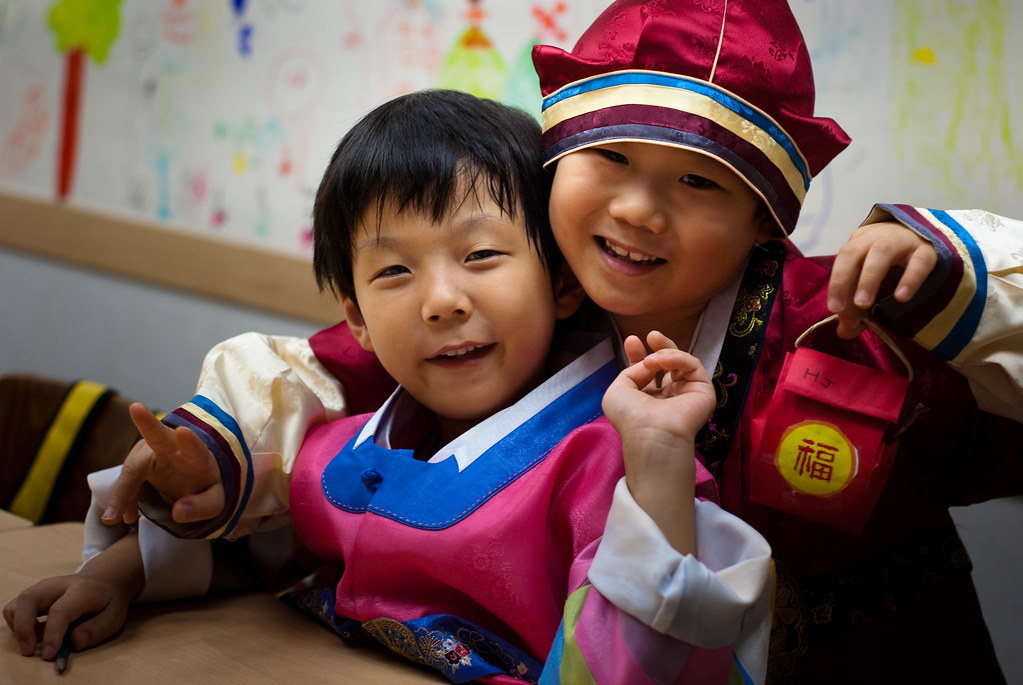
There is additional meaning attached to the colors and patterns connected to Doljabi. Bright hues are generally associated with pleasure and luck in traditional Korean clothing. Such vivid colors symbolize the pleasure of independence and the nation’s reinvigorated spirit during Independence Day celebrations. Employing customary textiles and patterns upholds cultural legacy and builds a sense of community among participants regarding their common past.
Over time, Doljabi ceremony participation has changed, but its fundamental meaning has not changed. Usually, families arrange an assortment of objects in front of a youngster, who is then encouraged to select an object that symbolizes their destiny. There’s usually a festive atmosphere that is both serious and cheerful during the selecting process itself, filled with laughs, prayers, and hopes from family members.
Notably, Doljabi’s presence on Independence Day is a protest against historical tyranny. It represents the joy of freedom as a real experience as much as an abstract idea. Families reaffirm their shared identity and dedication to the independence principles of unity, resiliency, and hope for the future by incorporating this tradition into national events.
Doljabi and other cultural rites add richness to Korean society by fusing modernity and tradition. They provide as an example of how communities modify and advance their customs to guarantee involvement for all ages. The several levels of interpretation that these symbols convey highlight the deep complexity of South Korea’s cultural milieu.
On Independence Day, the goals embodied in these symbols strike a deep chord with people, serving as a reminder of both the potential and the hardships of the past. Families that participate in Doljabi together uphold the ideals and values of society and provide a sense of continuity and purpose linked to the hard-won freedom of their countries.
The Method Used to Choose Items for the Doljabi Ceremony
The fundamental element of the Doljabi ritual is the symbolic selection procedure, in which a kid is shown a variety of objects, each with a unique significance related to their possible destiny. Families usually select items that represent their dreams and hopes, resulting in a unique experience that highlights the goals of the community. Symbols such as a pen for learning, a gavel for leadership, or a pile of cash for prosperity are frequently on exhibit.
There’s usually a buzz of excitement and anticipation as family huddle together to watch the pick. This poignant event symbolizes not only personal aspirations but also group aspirations for the larger family and community. Family stories connected to their history and identity build a deeper appreciation for the ceremony, and sharing such memories strengthens bonds between people.
Family members often make snap judgments about the child’s selections because each one implies something about the child’s future. The process of choosing is not just an event; rather, it is a moment that creates a story and emphasizes ideals related to leadership, economic independence, and education. Seeing a youngster select an object during Doljabi can, for many, represent the family’s future as it develops, providing happiness and a sense of shared responsibility for building that trajectory.
In light of the complexity of contemporary life, many families have chosen in recent years to broaden their selections by including contemporary pieces. This influx of fresh perspectives fits in nicely with South Korea’s dynamic character; as a nation, it continuously modifies its customs to accommodate modern values while preserving its rich history.
Understanding the significance of taking part in this unique occasion is crucial; the ritual’s community element raisees it and increases its significance as a family and cultural landmark. The Doljabi ceremony serves as a microcosm of society ideals in this way, demonstrating how customs can change while yet maintaining their cultural significance.
Every choice makes a contribution to a wider conversation about aspirations for the next generation and the country’s path toward sustained development and independence as families support this custom. These choices give rise to individual and social narratives that transcend beyond families and represent the aspirations of a country that values liberty, development, and solidarity.
The Cultural Effects of Doljabi on Contemporary Korean Society
In current Korean society, doljabi occupies a special position by serving as a link between tradition and modern ideals. This event endures because it represents the aspirations of the community as a whole as well as the hopes and dreams of individuals, even as society changes. Its adaptability·keeping its essential essence while adopting contemporary interpretations that appeal to today’s families·is the secret to its sustainability.
It is becoming more and more typical for Doljabi to include global ideas in an era defined by global connectedness. Families could see the significance of the objects they have chosen to go beyond conventional expectations and incorporate decisions shaped by modern cultural paradigms. This combination honors ancestors’ roots while promoting an openness that reflects the dynamic nature of Korean identity.
Doljabi offers a forum for family thought and conversation as South Korea struggles with problems ranging from inequality in education to economics. By guaranteeing that the problems encountered by previous generations are tackled by the following, the ritual acts as a reminder of each generation’s duty to create a better future. In this setting, Doljabi empowers families to speak up for what they want·a better tomorrow·by building solidarity among them.
Teaching Doljabi as a way to assist young children comprehend and value their cultural history is a common practice in educational settings, especially on holidays such as Korean Independence Day. By incorporating the ceremony into lessons, educators encourage students to connect more with their heritage and develop a sense of self·two essential elements of nation-building.
Doljabi participation is becoming more widely known worldwide because to cultural festivals and gatherings that honor Korean traditions outside. Doljabi emphasizes universal principles and is becoming a means of connecting with the larger Korean diaspora as a whole as audiences throughout the world become more aware of it.
under the end, the cultural influence of doljabi on contemporary Korean society illustrates how enduring traditions can be under changing circumstances. It is a celebration of both personal and societal goals as well as a dynamic story about harmony, hope, and the evolution of identity in a world that is changing quickly.
Community Festivities: How Doljabi Brings Friends and Family Together
Doljabi’s social component is extremely important since it strengthens bonds between family and friends on holidays like Korean Independence Day. Family get-togethers have historically centered around important life events, and by including Doljabi customs into these celebrations, families strengthen ties that are profoundly ingrained in cultural history. These common experiences capture the spirit of diversity and unity, which is fundamental to Korean identity.
Communities join together for a variety of public celebrations on Independence Day, with Doljabi frequently serving as the centerpiece of family-friendly events. Families gather to choose objects that represent their children’s futures, and as a result, discussions about common goals and dreams arise among bigger groups, sparking discussions about the values and aspirations of society. In communities where shared rituals are essential to social cohesiveness, these links fortify ties between people.
Doljabi participation in community events promotes a feeling of community, particularly for diaspora populations that aim to preserve their cultural identity outside of Korea. These rituals serve as a reminder of their ancestry, building a sense of community while enabling participants to feel rooted in their history. These exchanges highlight the value of community in achieving personal goals, which raisees Doljabi to a potent symbol of unity.
The Doljabi ceremony provides children with a secure space to explore their identities while also making them feel supported, especially when they participate in it with family and friends. This supportive setting encourages discussion of independence-related ideals like leadership, charity, and community service·aspects that are essential for a cohesive society.
Social Doljabi gatherings offer chances for ingenuity and cooperation, as families frequently include novel concepts, objects, and themes into their festivities. This flexibility sustains the vitality of cultural activities, guaranteeing that the next generation participates and stays connected while upholding the fundamental principles of tradition.
when society comes to understand the value of community, Doljabi acts as a stabilizing influence that strengthens ties between people. Joining together in celebration guarantees the transmission of each generation’s ambitions, dreams, and tales, allowing for continuity and cultivating a loving, aspiration-driven supportive environment.
Accepting Tradition: The Changing Customs of Doljabi
The development of Doljabi customs serves as an example of how a lively cultural legacy can coexist peacefully with contemporary society. Though its fundamental meaning is still the same, a number of reasons have affected how families approach and commemorate Doljabi in modern times. Families frequently bring new vitality to the ceremony by incorporating modern components that fit their way of life while yet maintaining the core values of this cherished custom.
Many families are starting to combine traditional objects with contemporary symbols as part of the Doljabi selecting process as knowledge of global trends grows. For example, including trendy items·like technology-related gadgets or symbols tied to careers·represents the evolving goals of today’s youngsters. This development emphasizes the value of cultural customs and supports the notion that heritage is dynamic and lively rather than a static item.
modern interpretations of Doljabi encourage inclusivity and variety throughout communities. Some families choose to design customized ceremonies that enable the inclusion of distinctive family stories, making the event more relatable for all parties. These behaviors demonstrate how accepting one’s history can enable people to more thoroughly explore and express who they are.
Doljabi practices are constantly changing, and this is partly due to social activities that support cultural awareness. Community organizations promote active engagement among many generations by holding public events, interactive sessions, and workshops related to independence celebrations. By encouraging comprehension and knowledge exchange, these programs make sure that Doljabi’s teachings are applicable to upcoming generations.
Social media’s rise has expanded the reach of Doljabi customs; families use it to share tales, images, and videos from their celebrations, creating a sense of community amongst those who might not be present in person. Through this virtual conversation, families and friends may motivate one another and inspire each other to create original Doljabi that are based on modern ideals.
These exchanges capture the essence of the resilient character of South Korea as Doljabi continues to evolve. Families reaffirm a commitment to preserving their cultural identity by embracing heritage while allowing for adaptability, ensuring that the essence of Doljabi remains for future generations. This growth shows how shared goals, aspirations, and experiences may perpetuate heritage as a living, breathing creature.
Educational Efforts to Raise Doljabi Gratitude and Awareness
Various educational programs have emerged in recognition of the enormous cultural impact of Doljabi on Korean culture, with the goal of building respect and knowledge of this beloved practice. In order to enhance people’s sense of cultural heritage and strengthen their relationship to it, schools and community centers are essential places for adults and children to learn about the significance, background, and customs of Doljabi.
Specialized programs in educational settings center on the history and significance of Doljabi. Teachers can get students interested in learning about their cultural heritage and how it relates to contemporary society by using storytelling techniques. These programs frequently conclude in joyous Doljabi ceremonies, which provide students the opportunity to actively engage in the selection process and offer them life-changing experiences that deepen their comprehension of identity and family.
During the Independence Day holiday, community workshops often feature Doljabi ritual demonstrations, encouraging families to participate and feel the thrill of selection firsthand. These interactive activities connect participants to common ideals across generations while inspiring them to talk about their goals and objectives. As they look at the meaning of Doljabi, participants discover the value of community, solidarity, and individual hopes.
social media campaigns and digital platforms use technology to raise awareness of Doljabi. Through captivating visual content, educators and content creators have started to impart knowledge about the cultural significance, background, and customs of the occasion. Wider audiences may now appreciate Doljabi’s beauty thanks to this contemporary strategy, which instills pride in the city’s residents as well as its expatriate communities.
Additionally, cross-cultural gatherings that highlight the common ideals of Doljabi have proliferated throughout the world, providing chances for communication and mutual understanding amongst various ethnic groups. The aforementioned activities build cooperation while commemorating variety, demonstrating how Doljabi functions as a medium for more extensive dialogues concerning aspiration and hope within an international setting.
Through educational programs, communities raise knowledge about Doljabi and guarantee that this rich tradition’s worth extends beyond family get-togethers. It makes it possible for people to completely embrace their past and promotes a culture of appreciation, comprehension, and empathy among all generations·a crucial skill as South Korea continues to negotiate its special position in a world that is changing quickly.
To sum up, Doljabi personifies the essence of the ceremonies around Korean Independence Day by fusing the goals of the individual, the ties that bind families, and the rich cultural legacy into a fabric of optimism and solidarity. By interacting with this ancient custom, contemporary society is able to maintain the ideals of resiliency, independence, and community relationships by creating a link between the past and present. Through education, community engagement, and adaptation, South Korea is building the relevance of Doljabi and celebrating the beauty of its cultural identity while respecting its past and its future.