
The persimmons on my mother's tree turn in late September, which means Chuseok (추석) is close. She starts pulling out the pounded-rice mold for songpyeon a week before anyone asks. The kitchen fills with pine steam. This is how the Korean year announces itself in our house, and probably in yours.
South Korean holidays run on two calendars at once. The lunar cycle gives us Seollal and Chuseok, the two great homecomings. The solar calendar carries Children's Day, Buddha's Birthday, Liberation Day, and Hangul Day. Together they form the rhythm a Korean family lives by. Here is what each one asks of the table, the family, and the garment.
Another noteworthy aspect of holidays in South Korea is the interaction between modernism and historical impact. South Korea has modified some of its traditional festivals to accommodate modern living due to globalization and technology. Younger generations frequently incorporate modern trends into their festivities, even though many still follow traditional customs. This results in a harmonic blend that honors tradition while welcoming change.
Every festival, from the jubilant celebration of Pepero Day to the revered customs of Seollal, adds a unique story to the cultural mix of South Korea. Examining the meaning behind these festivities helps us understand the principles and ideals that form the foundation of South Korean identity.
Important Customary Events That Characterize South Korean Culture
Holidays honoring family ties and the passing of the seasons are among the most important in South Korea. With their own traditions, the major traditional holidays stand out as crucial indicators of Korean identity. Certain of these celebrations, like as the Harvest Moon Festival or Chuseok, honor communal ideals derived from agricultural ways of life. Respect for ancestors and family ties is the core of others, like Seollal.
Families gather during Chuseok, a fall festival, to pay respect to their ancestors and express gratitude for the harvest of the previous year. In order to honor the spirits of ancestors, this festival involves preparing traditional dishes like songpyeon (rice cakes) and visiting family cemeteries. Fundamental to Korean culture, this ritual emphasizes the value of preserving familial ties and thankfulness.
In South Korea, another significant holiday is Lunar New Year, or Seollal. Traditionally, families get together to take part in ancient traditions such as the doljabi ceremony, in which a baby is given symbolic things representing their future. There are customs and celebrations on this day meant to bring wealth and luck for the upcoming year.
Other traditional festivals, including Buddha’s Birthday, are commemorated with lively lantern parades and ceremonies meant to spread compassion and peace in addition to these important occasions. Every festival represents certain cultural customs and values that speak to many facets of Korean culture and help to shape the country’s identity as a whole.
Lunar New Year: A Season for Food and Family Festivities
Seollal, or Lunar New Year, is a highly respected event in South Korea. Holidays celebrating the first day of the lunar calendar, usually in late January or early February, provide an occasion for family get-togethers and cultural celebrations. Families get together to participate in customs that pay tribute to their ancestors; the ancestral rite known as charye is one of the most important.
Lunar New Year celebrations revolve around food, with families cooking special dishes that represent health and wealth for the upcoming year. Rice cake soup, or tteokguk, is customarily drunk to mark the passing of a year and to wish for good health in the coming year. In addition to showing culinary prowess, the careful preparation and display of food at Seollal reflects the family’s dedication to upholding cultural customs.
Seollal’s doljabi ceremony is especially noteworthy. A one-year-old infant is given a choice of things during this occasion that indicate their potential interests or career routes. This endearing custom lightheartedly illustrates parental ideals by fusing comedy and hope.
In addition, family games such as Yut-nori, which strengthens ties through friendly rivalry, add to the celebration of the festival. This focus on having fun and spending time together embodies the essence of Seollal and highlights the value that families have in the community. For South Koreans, Lunar New Year is essentially a helpful reminder to take a moment out of their hectic schedules to reflect on the value of love, family, and unity.
Chuseok: Gratitude’s Autumn Harvest Festival
Another well-known South Korean festival is Chuseok, sometimes called the Autumn Harvest Festival. It usually takes place in late September or early October. This event honors the harvest and serves as a moment to give thanks and reflect. The agricultural custom that underpins Chuseok is the gathering of families to remember their ancestors and express gratitude for the year’s harvest.
Cooking and sharing food, especially songpyeon, a traditional rice cake, is one of the most significant Chuseok customs. These half-moon-shaped cakes are filled with ingredients that symbolize the harvest, such as sweetened red bean paste, sesame seeds, or chestnuts. It is customary for families to join together to prepare songpyeon, which builds a sense of community and the continuation of long-standing customs.
In addition to food traditions, Chuseok also features ancestral rituals known as charye. Families prepare lavish tables decorated with harvest-symbolic meals and offerings, such as grilled meat, rice, and fruits, as a way of showing gratitude for their ancestors. This memorial service emphasizes the value of family and the ties that bind generations together.
Many South Koreans take part in folk games as part of the festivities; one well-known example is ssireum, a traditional wrestling match. Other festivals that take place in different provinces frequently feature regional themes, exhibiting a sense of community as well as local customs.
Even though Chuseok originated in agriculture, its modern celebration now emphasizes social cohesion and familial affection. The celebration is in line with the ideals that are fundamental to Korean culture and provides a poignant reminder of the need of introspection and thankfulness.
Distinctive Regional Festivities in Every Province of South Korea
The several provinces of South Korea each commemorate holidays in a distinctive and frequently intriguing fashion, displaying the rich fabric of regional cultures and traditions. Regional festivals provide the country’s holiday calendar some color and personality in addition to well-known events like Seollal and Chuseok.
One of the most well-known local festivals on Jeju Island is the Jeju Fire Festival, which ushers in spring on the island. The celebration honors the agricultural practice of carefully burning farmland to promote growth in rural areas. It’s a well-liked festival for both tourists and locals, as locals get together to enjoy folk games, traditional music, and mouthwatering street cuisine.
Another amazing festival that attracts people from all around the world is the Boryeong Mud Festival. This unusual summertime festival includes mudslides, mud wrestling, and even mud paintings. It is a distinctive fusion of celebration, tourism, and local culture because of the joy and laughter that encourage community involvement.
The Jagalchi Fish Festival honors the rich fishing heritage of Busan. Foodies swarm to the fish market to enjoy a variety of delicacies and participate in competitions honoring the local catch. The occasion highlights seafood as a vital component of Korean cuisine and cultivates a feeling of community pride.
These regional characteristics enhance the overall image of South Korean holidays by showing how regional traditions mirror the country’s natural diversity. The distinct narratives and celebratory traditions of each province highlight the rich cultural diversity inherent in South Korea’s holiday scene.
Contemporary Affects on South Korean Holiday Customs
The way South Korea celebrates holidays has changed significantly as the country moves forward in the digital era. Modern factors, such as globalization and technological development, influence how customs are upheld. The advent of social media and internet platforms has significantly changed the way that friends and family interact during these joyous events.
For example, Pepero Day, which falls on November 11, has become incredibly popular among South Koreans, especially the younger ones. This is a day when people exchange chocolate-covered sweets, and it has been ingrained in modern celebrations, frequently combining with romantic dates or get-togethers with friends.
with the growth of e-commerce, South Koreans’ Christmas gift-giving practices have undergone a significant transformation. Convenience and affordability are important factors, which is why many people look for Korean gift ideas online. These ideas range from traditional mementos to creatively packaged culinary products that capture the spirit of different celebrations.
Korean dramas and variety programs depict a range of holiday practices, demonstrating how the media can also be a driver for change. Due to the quick adoption and integration of cultural phenomena into daily life, this exposure generates increased interest and even modifications to customs.
Modern features have become prevalent, even in traditional holidays like Chuseok. Prepackaged foods and convenience dinners are popular choices among families, which is indicative of the fast-paced metropolitan lives that have been ingrained in society.
Modern influences alter the holiday landscape in South Korea, but they frequently do not eliminate beloved rituals; rather, these traditions develop, fusing the old and the new in a cohesive show of cultural identity.
How Regional Traditions Represent South Korea’s Cultural Past
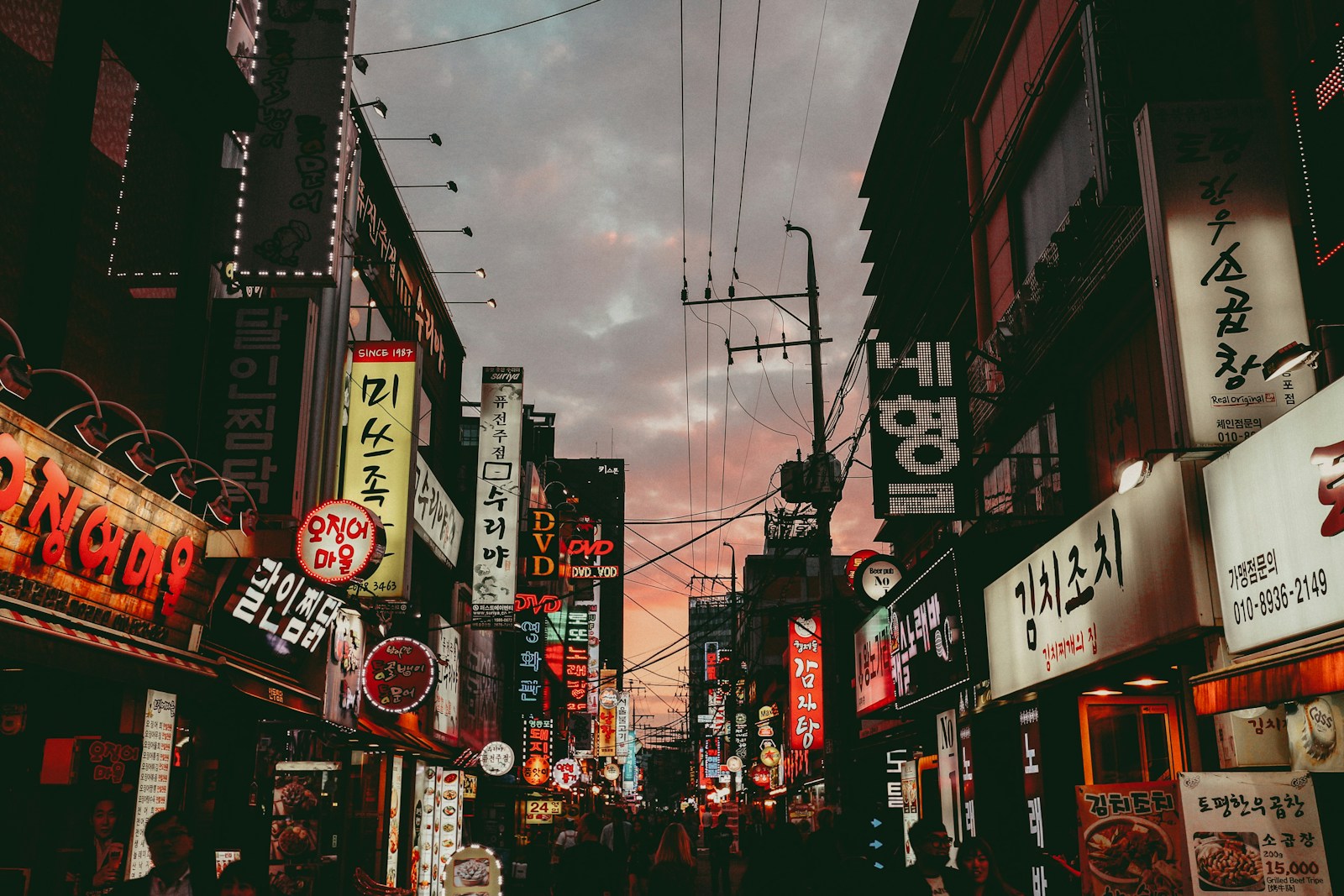
During South Korean holidays, regional traditions act as minute details that carefully weave together the country’s rich cultural legacy. These traditions represent indigenous ideals that have long permeated Korean culture and emphasize the value of family and community.
Wearing traditional clothing at festivals, for example, honors many identities and customs. Hanbok, a traditional Korean garment, is a popular holiday attire that represents the nation’s artistic splendor and rich history. Provincial differences in hanbok’s hues, designs, and patterns highlight regional handiwork and pride in one’s ancestry.
Another way that South Koreans promote respect is through their holiday celebrations. Ancestral worship during Chuseok and Seollal is one of the rituals that upholds the culture of respecting elders and being aware of one’s origins. The foundation of many South Korean festivals is this emphasis on family respect, which also serves as a social norm.
Another unusual habit that has its roots in rural living customs is the sharing and trading of food. Holiday-themed cuisine frequently has symbolic connotations. For example, making rice cakes for Seollal symbolizes wealth, and eating seasonal foods with others during Chuseok emphasizes thankfulness for the harvest season.
In addition, holiday games like Yut-nori and Go Stop emphasize the combination of pleasure and community building. These age-old Korean games strengthen bonds between friends and family and capture the spirit of community that is essential to cultural legacy.
In the end, holiday rituals in South Korea affirm the deep significance of cultural legacy in this dynamic country by offering a chance to celebrate and contemplate collective identity, communal values, and shared goals.
What to Expect When Traveling to South Korea for the Holidays
Holidays in South Korea offer an exciting opportunity to fully immerse oneself in the rich customs and lively celebrations of the country. Every holiday offers distinctive experiences that highlight the core of Korean culture, whether you want to take part in public celebrations or attend a family get-together.
Visitors can observe the exquisite ancestor worship ceremonies and enjoy traditionally prepared meals at important holidays such as Chuseok or Seollal. Warmth, laughter, and inviting scents permeate the air, transforming every meal into a group celebration of appreciation and camaraderie.
Taking part in regional festivals offers a more participatory experience emphasizing lively customs and local traditions. Numerous cities host cultural events that feature traditional Korean games, dancing, and music. In addition to having fun, visitors may discover more about the traditions that have molded communities all around South Korea.
Additionally, sampling traditional Korean street food that represents the characteristics of the country is possible when one explores marketplaces during holidays. These delectable snacks, which range from crispy hotteok to aromatic tteokbokki, provide a taste of social joy and are intrinsic to the holiday season.
Getting real Korean gifts for holidays, such handicrafts or local delicacies, is another way to interact with South Korean customs. These things not only make heartwarming mementos but also help guests feel a connection to the sense of belonging that comes with celebrating holidays.
All in all, taking part in South Korean holidays encourages visitors to take in the country’s live past. The sounds of exuberant festivities and the painstaking planning of family feasts during South Korean holidays provide an immersive cultural experience that leaves a lasting impression.
Holidays in South Korea offer a fascinating window into the country’s rich cultural past at the nexus of the past and present. South Korea demonstrates the coziness and depth of its customs through its festivals honoring family, community, and farming. These holidays’ ongoing evolution·shaped by local customs and contemporary influences·highlights how flexible South Korean culture is. Both locals and visitors get a deep respect for the principles that bridge generations and enhance the country’s dynamic identity by taking part in these celebrations. South Korea continues to weave the fabric of its cultural narrative, honoring its past while embracing the future with each celebration.