
The rice cooker is on. A bowl of aged 김치 sits on the counter, ready to be cut on the cross-grain. Mrs. Lee lifts the lid on a small 뚝배기, and the smell of 된장 catches on the sesame oil already warming in the pan. This is what Korean food is before it is anything else: a stove, a pot, a rhythm.
Traditional Korean cooking is not a single style. It is a weave of grain, ferment, and season, worked out over centuries across mountains, coast, and palace kitchens. Each region kept its own vocabulary. What holds it together is a way of thinking about a meal: rice at the center, ferments as the memory of last winter, banchan as the small courtesies that make the table feel finished. This is where the tour starts.
The 20th century marked a significant turning point in Korean culinary traditions, particularly during the Korean War when food scarcity forced people to adapt their diets. The rise of the Korean diaspora has also played a pivotal role in spreading Korean cuisine globally. As Korean immigrants settled around the world, they brought their culinary traditions with them, leading to the establishment of Korean restaurants and the growing popularity of dishes like kimchi and bulgogi.
Today, traditional Korean cuisine continues to evolve while retaining its core values of balance, harmony, and seasonality. Modern chefs are blending traditional recipes with contemporary techniques, creating innovative dishes that pay homage to their roots while appealing to a global audience. This ongoing evolution reflects the dynamic nature of Korean culture and its ability to adapt and thrive in an ever-changing world.
Key Ingredients That Define Traditional Korean Dishes
Central to Korean cuisine are its staple ingredients, which create the distinctive flavors and textures of its dishes. Rice is the foundation of almost every meal, symbolizing sustenance and prosperity. Short-grain rice is commonly used in Korea, providing a sticky texture that allows for easy pairing with side dishes and sauces. In addition to rice, noodles made from wheat, buckwheat, and sweet potato starch are also prevalent, offering various culinary experiences.
Vegetables are another cornerstone of traditional Korean ingredients. The Korean climate is conducive to growing an array of vegetables, from napa cabbage and radishes to garlic and scallions. These ingredients not only add texture and flavor but also play a crucial role in the essential process of fermentation. Seasonal vegetables are often incorporated into dishes, highlighting the connection between food and the natural environment.
Proteins in Korean cuisine primarily come from seafood, poultry, and meat, with pork and beef being particularly cherished. Dishes like samgyeopsal (grilled pork belly) and galbi (marinated short ribs) showe the emphasis on quality cuts of meat, often cooked at the table for a communal dining experience. Additionally, tofu and other soy products provide a vegetarian option that is equally celebrated, further enriching the Korean culinary landscape.
Spices and condiments are indispensable in Korean cooking, with gochugaru (Korean red pepper flakes) and doenjang (fermented soybean paste) being among the most notable. These ingredients not only add heat and depth of flavor but also serve as a testament to Korea’s rich fermentation heritage. The careful selection of ingredients in Korean cuisine reflects a deep respect for nature, showing the balance and harmony that is central to traditional cooking.
The Role of Fermentation in Korean Food Heritage
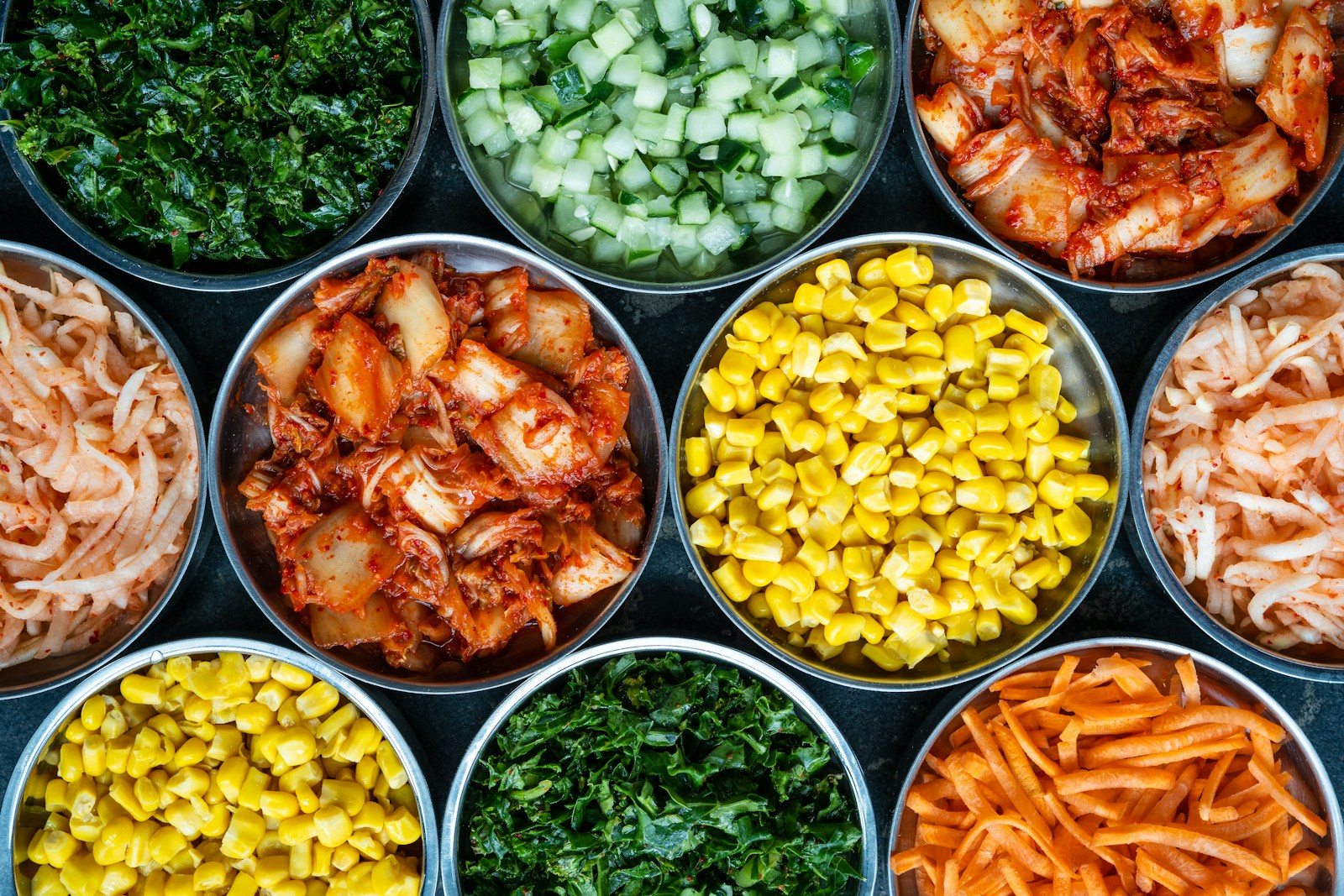
Fermentation is a defining characteristic of traditional Korean cuisine, deeply rooted in the country’s agricultural practices and preservation methods. Historically, fermentation was a crucial technique for preserving food, particularly given Korea’s harsh winters when fresh produce was scarce. This method allowed for the transformation of simple ingredients into complex flavors, enriching the culinary landscape with a variety of fermented products.
Kimchi, perhaps the most iconic representation of Korean fermentation, is a staple in every Korean household. This dish, made primarily from fermented napa cabbage and radishes, is seasoned with garlic, ginger, and gochugaru, resulting in a tangy, spicy accompaniment that is served with nearly every meal. The fermentation process not only enhances the taste but also promotes health benefits through the presence of probiotics, contributing to gut health and overall well-being.
Beyond kimchi, other fermented foods such as gochujang (red pepper paste), doenjang (soybean paste), and ssamjang (a mixture of doenjang and gochujang) play significant roles in Korean cooking. These condiments are frequently used to season dishes or serve as dips, showing the depth of flavor that fermentation brings to the table. The art of fermentation is passed down through generations, with families often having their unique recipes and methods, further enriching Korea’s culinary heritage.
In modern cuisine, fermentation continues to gain popularity, with chefs experimenting with traditional methods to create innovative dishes. The revival of artisanal fermentation practices has led to a heightened appreciation for this ancient technique, bridging the gap between past and present. As the world increasingly embraces the health benefits and unique flavors of fermented foods, Korean cuisine stands at the forefront, celebrating its rich heritage while adapting to contemporary tastes.
Essential Cooking Techniques in Korean Cuisine
Korean cooking is characterized by a range of techniques that enhance the flavors and textures of its dishes. Grilling, or “gogigui,” is a popular method, particularly for meats like beef and pork. This technique involves cooking marinated meat over an open flame or grill, imparting a smoky flavor that is highly valued in Korean cuisine. The communal aspect of grilling at the table encourages social interaction, making it a beloved dining experience among family and friends.
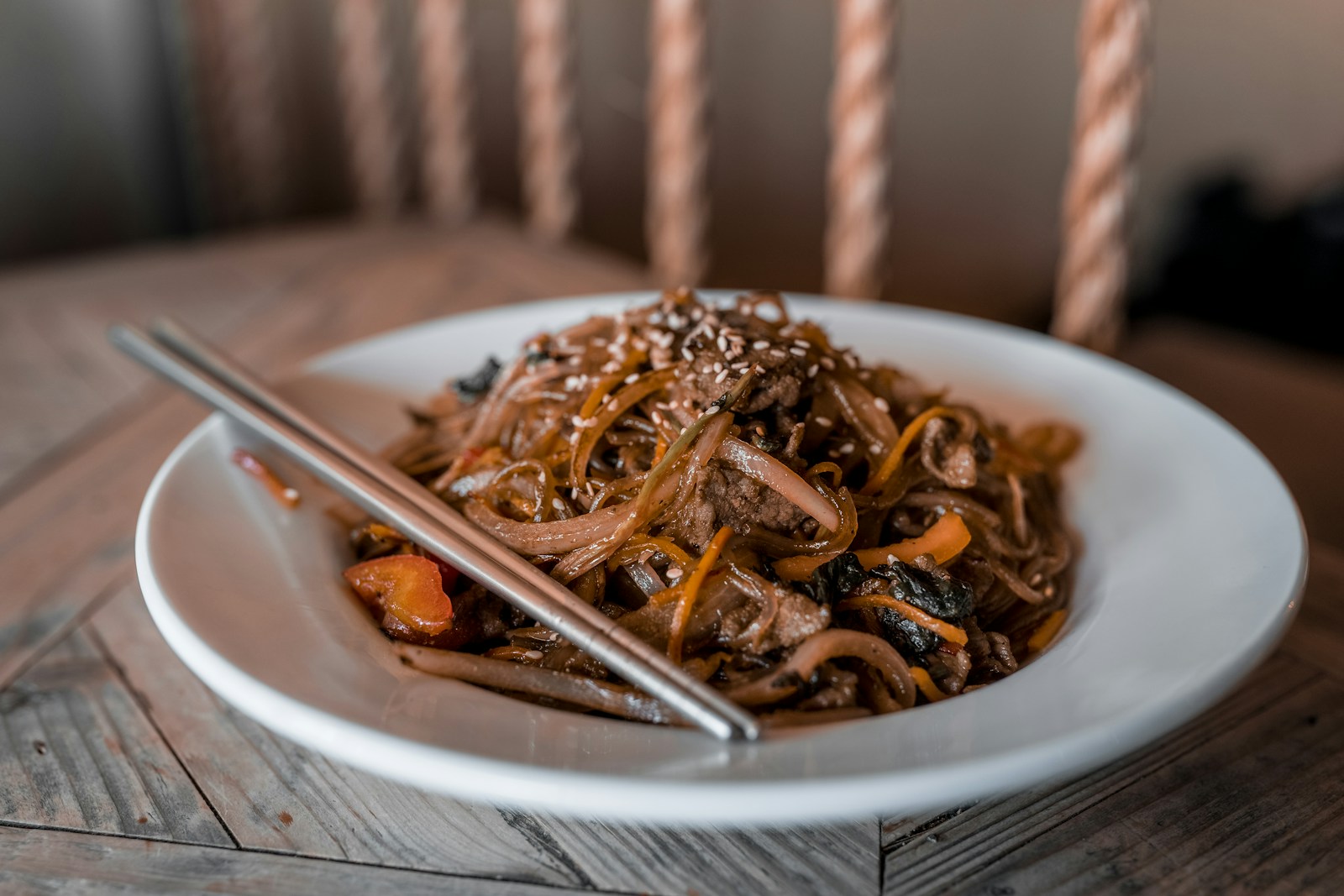
Stir-frying, or “bokkeum,” is another essential technique that showes the versatility of Korean ingredients. This method involves quickly cooking vegetables and proteins in a hot pan with oil, allowing for the preservation of lively colors and nutrients. Dishes like japchae, a stir-fried noodle dish with vegetables and meat, exemplify this technique, highlighting the balance of flavors and textures that define Korean cooking.
Steaming is also commonly used in Korean cuisine, particularly for dishes like mandu (dumplings) and various rice cakes. Steaming allows for the gentle cooking of ingredients while retaining moisture and flavor, resulting in tender and flavorful dishes. The use of bamboo steamers and specialized pots reflects the importance of this technique in preserving the integrity of the ingredients.
Finally, braising and simmering are vital techniques for preparing stews and soups, which are staples in the Korean diet. Dishes like kimchi jjigae (kimchi stew) and sundubu jjigae (soft tofu stew) rely on slow cooking to amalgamate flavors and create hearty, comforting meals. The variety of cooking techniques in Korean cuisine not only showes the skill of the cook but also reflects the cultural significance of shared meals and the joy of communal dining.
Exploring Regional Varieties of Korean Food Culture
Korean cuisine is not monolithic; it is a diverse mix of regional variations that reflect the unique ingredients, climates, and cultural influences found in different areas of the country. Each region boasts its local specialties, shaped by the geography and history that define its culinary landscape. For instance, the coastal areas of Busan are renowned for their abundant seafood, leading to a lively seafood culture that includes dishes like sashimi and various seafood stews.
In contrast, the mountainous regions of Gangwon Province are known for their hearty, rustic dishes that often incorporate wild greens and mushrooms. The use of local ingredients, such as buckwheat noodles (makguksu) and potato dumplings (gamja mandu), highlights the resourcefulness of the people living in these rugged terrains. Regional kimchi variations also abound, with each area boasting its unique recipes that reflect local tastes and available ingredients.
The southern provinces, particularly Jeolla-do, are famous for their bountiful agricultural produce and culinary richness. This region is often lauded as the birthplace of many traditional dishes, particularly those that feature fermented ingredients. The diverse array of side dishes, or banchan, served in this region showes the variety of flavors and textures that Korean cuisine can offer, emphasizing the importance of balance and harmony in each meal.
Finally, the capital city of Seoul serves as a melting pot of regional cuisines, where traditional dishes from across the country are celebrated and adapted. Street food culture thrives in Seoul, offering a glimpse into the everyday culinary practices of Koreans. The city’s dynamic food scene continues to evolve, blending traditional flavors with modern techniques and international influences, ensuring that Korean cuisine remains lively and relevant in the global culinary landscape.
The Importance of Seasonality in Korean Recipes
Seasonality is a fundamental principle in traditional Korean cuisine, reflecting the close relationship between the Korean people and their environment. The concept of “sanghwang” (seasonal eating) is embedded in the culinary practices of Korea, emphasizing the use of fresh, locally sourced ingredients that are at their peak during specific times of the year. This approach not only enhances the flavors of the dishes but also promotes health and sustainability.
Korean cuisine is characterized by its distinct seasonal dishes that celebrate the bounty of nature throughout the year. For instance, spring brings an abundance of wild greens, which are often used in dishes like namul (seasoned vegetable side dishes) and bibimbap (mixed rice). Summer highlights refreshing dishes that incorporate fresh vegetables and cold noodles, providing relief from the heat. In contrast, fall is the time for hearty stews and roasted dishes that take advantage of the harvest, while winter is marked by warming foods that utilize preserved ingredients, such as aged kimchi.
The practice of foraging and gathering seasonal ingredients, such as wild herbs and mushrooms, is also prevalent in Korean culinary traditions. These foraged items are often incorporated into traditional recipes, showing the rich flavors of the changing seasons. This connection to the land builds a sense of appreciation for nature and encourages the use of sustainable practices in the kitchen.
As modern chefs continue to embrace the concept of seasonality, there is a growing movement towards farm-to-table dining that prioritizes fresh, local ingredients. This trend not only honors the traditional principles of Korean cuisine but also raisees the dining experience by highlighting the natural flavors of each season. In doing so, Korean cuisine not only preserves its rich heritage but also adapts to contemporary tastes and environmental challenges.
Popular Traditional Dishes You Need to Try
No exploration of traditional Korean cuisine would be complete without mentioning some of its beloved dishes. One of the most famous is bibimbap, a colorful mixed rice dish served with an assortment of vegetables, grilled meat, an egg, and gochujang. This dish exemplifies the balance and harmony that define Korean cooking, with each ingredient contributing its unique flavor and texture to the overall experience.
Another quintessential dish is bulgogi, which consists of marinated beef that is grilled or stir-fried to perfection. The marinade, made from soy sauce, sugar, garlic, and sesame oil, imparts a sweet and savory flavor that is irresistible. Bulgogi is often served with rice and an array of banchan, making it a popular choice for both casual and festive occasions.
Kimchi, as previously mentioned, is a staple in Korean households and comes in a many variations. From the classic napa cabbage kimchi to radish and cucumber kimchi, each type offers a unique flavor profile and texture. Kimchi is not only a side dish but also a key ingredient in many recipes, including kimchi jjigae (kimchi stew) and kimchi fried rice.
Finally, tteokbokki, a popular street food, consists of chewy rice cakes cooked in a spicy-sweet sauce made from gochujang. Often adorned with fish cakes, boiled eggs, and scallions, tteokbokki is a beloved comfort food that embodies the lively spirit of Korean street food culture. As you explore traditional Korean dishes, these favorites provide just a glimpse into the rich culinary heritage that continues to captivate palates around the world.
Korean Meal Etiquette: Dining Practices and Customs
Dining in Korea is not just a matter of sustenance; it is a cultural experience steeped in etiquette and customs. At the center of Korean meal etiquette is the concept of respect for food and those with whom one shares a meal. Before starting a meal, it is customary for the eldest member at the table to say “jal meokkessseumnida” (I will eat well), signifying gratitude for the meal. This practice underscores the importance of hierarchy and respect in Korean culture.
Using chopsticks and a spoon is the norm in Korean dining, with specific rules governing their use. Chopsticks are typically used for solid foods, while the spoon is reserved for rice and soups. It is considered impolite to stick chopsticks upright in a bowl of rice, as this resembles a funeral ritual. Instead, chopsticks should be placed on the table or on a designated chopstick rest when not in use.
Sharing food is an integral aspect of Korean dining culture, with dishes often served communally. It is common to see a variety of side dishes (banchan) shared among diners, encouraging a sense of togetherness. When serving others, it is customary to use the opposite hand or to hold the bowl with both hands, reflecting the importance of respect and consideration for others at the table.
Lastly, finishing all the food on your plate is generally considered polite, as it signifies appreciation for the meal. However, leaving a small amount is acceptable, especially if the food was abundant. Overall, Korean meal etiquette enriches the dining experience, building a sense of community, respect, and appreciation for the culinary traditions that have been passed down through generations.
Exploring the rich mix of traditional Korean cuisine reveals a world of flavors, textures, and cultural significance that is both captivating and rooted in history. From the origins and evolution of its culinary traditions to the essential ingredients, cooking techniques, and regional varieties, Korean cuisine offers a wealth of experiences for those willing to look at its heritage. As global interest in Korean food continues to grow, its emphasis on seasonality, communal dining, and respect for ingredients serves as a reminder of the profound connection between food, culture, and community. Whether you are savoring a bowl of steaming kimchi jjigae or sharing a plate of bulgogi with loved ones, the spirit of traditional Korean cuisine is sure to leave a lasting impression.