
The High Stakes of South Korea’s College Entrance Exams
On the morning of the Suneung, younger classmates line up outside high school gates with hot packs and yut, a stretchy taffy meant to make an answer stick. Police motorcycles escort late test-takers through Seoul traffic. The rest of the country holds its breath for eight hours.
The habits that carry a student through that day are built over years, not weeks. The methods below are the ones Korean seniors rely on when the calendar tightens. They favor mock tests, error journals, and quiet, unglamorous repetition. There is no shortcut, only a well-kept schedule.
U.S. vs. South Korean College Entrance Exams
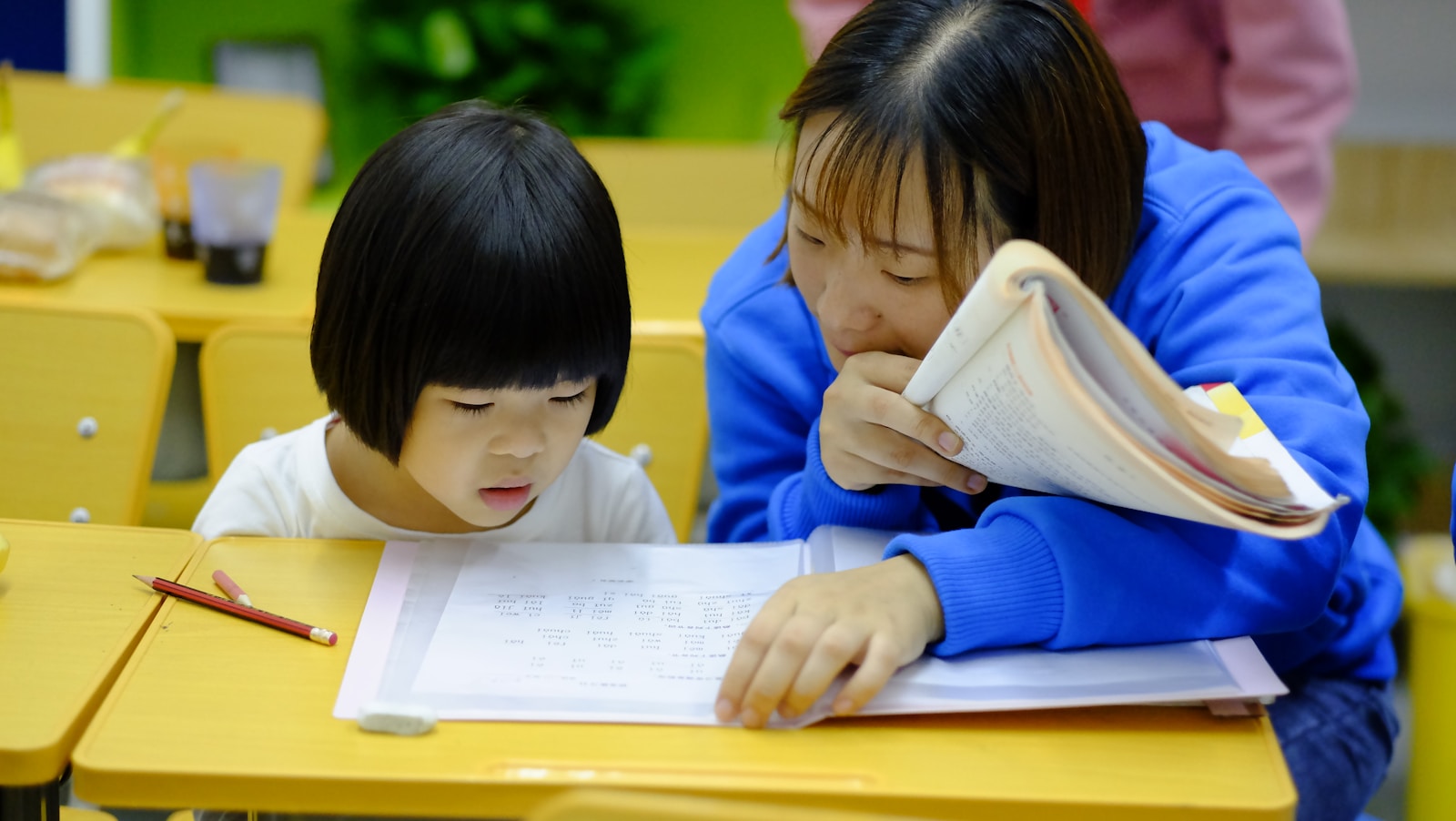
In contrast, the SAT and ACT exams in the United States are shorter than four hours each. Unlike the Suneung, which heavily influences South Korean students’ college choices, SAT or ACT scores constitute only a small part of admissions decisions in the U.S., with many institutions opting not to consider these scores at all.
While the Suneung remains the most recognized path to university admission, alternative routes exist. According to 36-year-old Dongyoung Shin, a master’s graduate from Yonsei, applying through methods like the Susi route. Which involves a good GPA, extracurricular activities, interviews, or essays. Carries a stigma. It is often seen as an easier admission route.
The Educational Landscape in South Korea
South Korea’s education system hinges on two significant exams. The first determines a student’s path after ninth grade, impacting their choice between private schools, public college-preparatory, or vocational education. The second exam at the end of the 12th grade dictates not only college possibilities but also fields of study.
This intense focus on education is evident in the results, with South Korean students excelling in international assessments like TIMSS and PISA. A report by Reeta Chakrabarti from the BBC highlighted six students from Ga-rak High School who breezed through multiple-choice questions from this year’s GCSE math tests, with four achieving perfect scores.
A History of College Admissions in South Korea
In 1993, to standardize college admissions and prevent institutions from setting their standards, South Korea made multiple-choice exams the primary admission requirement. The number of college admissions changes has exceeded ten since 1945, emphasizing the shift from traditional high school grading to standardized exams.
In a bid to provide fair and consistent selection metrics for colleges, the Ministry of Education began national CSAT administration in 1993. Elective subjects have been introduced since 1998, significantly enhancing the scope of what is tested.
The Significance of the University Entrance Exam
Annually, approximately 600,000 students take the university entrance exam in South Korea, with a mere 15,000 achieving scores sufficient for top universities. This single day of exams is deemed the most crucial in the lives of many South Koreans; success leads to esteemed educational institutions and potentially prosperous careers, while failure can significantly diminish one’s future prospects.
Parents in South Korea prioritize their children’s education, often investing substantial resources into creating conducive study environments and obtaining tutoring.
Keys to Academic Success
Success in these competitive exams hinges on several strategies:
- Time Management: Korean students emphasize structured schedules, using planners or apps to balance homework, school, and relaxation.
- Prioritization: They prioritize tasks based on urgency and importance, avoiding last-minute cramming.
- Study Sessions: Utilizing techniques like the Pomodoro Technique helps maintain focus and prevent burnout.
- Active Learning Strategies: Engaging in summarizing material, teaching others, and active discussion builds deeper comprehension.
- Mind Mapping: This technique aids in visualizing relationships within subjects.
- Practice Problems: Especially important in subjects like math and physics, students solve a multitude of practice questions.
- Self-Control and Motivation: Setting specific objectives helps maintain focus.
- Rewards System: Engaging in leisure activities after accomplishing tasks serves as a motivator.
- Mentorship: Seeking guidance from role models inspires students to strive for success.
Balance Between Study and Health
Beyond academics, South Korean students recognize the value of maintaining a healthy lifestyle:
- Regular Physical Activity: Engaging in sports or exercise sustains both physical strength and mental health.
- Healthy Eating: A balanced diet of fruits, vegetables, and whole grains is crucial for endurance during extensive study sessions.
- Adequate Sleep: Prioritizing sleep is essential for memory and comprehension.
- Mindfulness: Incorporating relaxation and mindfulness practices helps students manage stress and maintain a positive outlook.
The intense focus on the Suneung reflects the broader societal attitudes toward education in South Korea. While it drives academic achievement, it also necessitates a careful balance between preparation and overall well-being.