
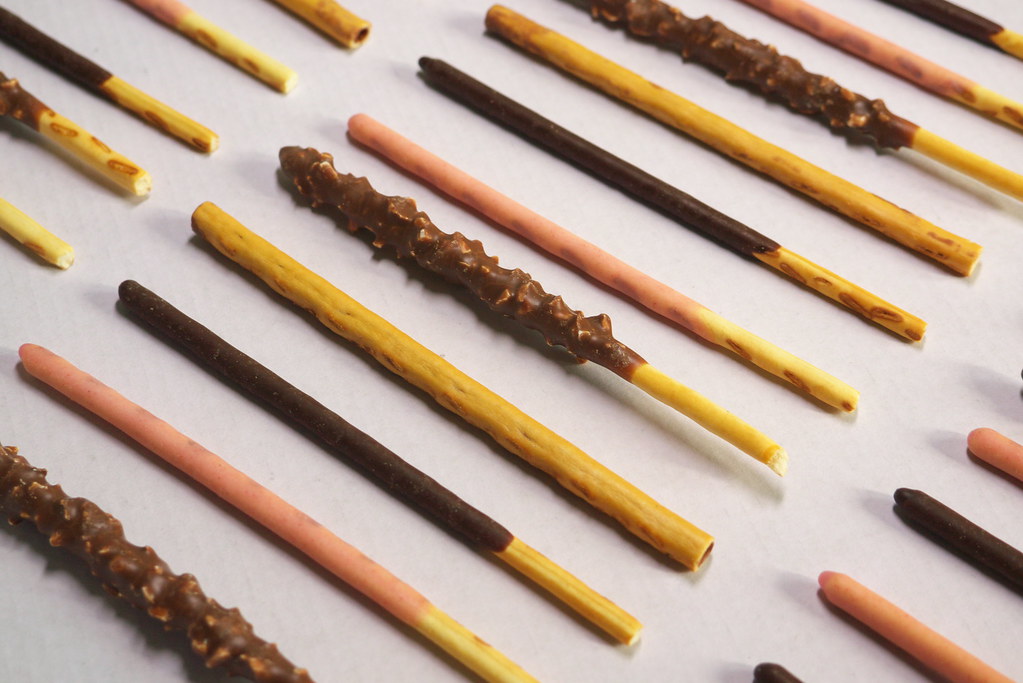
Every November 11, Korean convenience stores build entire aisles out of a single snack. Boxes of Pepero stack chest-high near the register. Middle schoolers exchange them by the handful. Couples give the fancy ones, wrapped in ribbon. The date reads 11/11, which looks, if you squint, like four thin sticks of chocolate-dipped biscuit standing side by side.
Pepero Day started in the early 1990s, likely from a group of schoolgirls in Busan exchanging the sticks so they would grow tall and thin. Lotte, the company that makes Pepero, did not invent the holiday, but they were not going to argue with it. It is now one of the loudest days on the Korean commercial calendar, and a small window into how Korea invents its own rituals.
Pepero Day has gained significant traction over the years, transforming from an informal observance into a widely recognized holiday in South Korea. The day is marked by an increase in promotional events and special discounts across various retailers, making it a much-anticipated occasion for consumers. As a celebration rooted in affection, it builds connections and strengthens interpersonal bonds within a culture that values close relationships.
As the holiday has evolved, it has attracted interest beyond just South Korean borders. With more people becoming aware of the day through travel, social media, and globalization, Pepero Day is beginning to capture the imaginations of individuals outside the country. Thus, it serves as both a cultural marker and an opportunity for international sharing of South Korean traditions.
Overall, Pepero Day is about connection, sharing, and indulging in a beloved snack, making it a cherished occasion in the South Korean cultural calendar.
Historical Origins of Pepero Day and Its Establishment
The origins of Pepero Day can be traced back to the late 1980s, when a group of middle school students in Busan started the tradition as a way to express their affection for one another. They gave Pepero sticks to one another, embracing the idea that sharing these snacks symbolized love and friendship. The custom quickly gained popularity among the youth, leading to a broader acceptance throughout South Korea.
In 1997, the Lotte Corporation, the maker of Pepero, recognized the potential of this burgeoning holiday and began marketing November 11 as Pepero Day. The company launched extensive advertising campaigns and promotional events, positioning Pepero as the perfect gift for friends and lovers alike. This marketing strategy was a turning point that solidified the day’s status as a significant cultural event.
The success of Pepero Day can also be attributed to its alignment with other celebratory traditions, such as Valentine’s Day and White Day, which are widely recognized in South Korea. Sharing food as a means of expressing affection is rooted in the country’s culture, making Pepero Day a natural fit for individuals looking to commemorate their relationships.
As Pepero Day gained traction, it evolved into a day when people exchanged gifts and engaged in various activities related to the snack. Creative ways of celebrating emerged, including Pepero-themed parties, making homemade versions of the snack, and even participating in competitive eating contests involving Pepero.
Over the decades, Pepero Day has become a notable fixture in South Korea’s holiday calendar, embraced by individuals of all ages. It stands as a symbol of youthful affection, camaraderie, and the importance of relationships in South Korean society, connecting its historical origins to its modern-day celebration.
Pepero vs. Other Snack-Related Holidays Around the World
Pepero Day is not the only snack-related holiday celebrated around the world; however, it has unique characteristics that set it apart from similar observances. Many countries have days dedicated to particular foods, such as National Potato Chip Day in the United States or National Chocolate Day, celebrated by chocolate lovers globally. While these holidays promote specific snacks, they often lack the cultural and emotional depth associated with Pepero Day.
In the United Kingdom, for instance, Valentine’s Day is a time for couples to exchange gifts, including chocolates and sweets. However, unlike Pepero Day, which emphasizes sharing among friends and family, Valentine’s Day is primarily focused on romantic relationships. The emphasis on platonic love during Pepero Day broadens its appeal, allowing it to transcend typical romantic customs.
In Japan, a similar holiday called Pocky Day is celebrated on November 11, with Pocky being a popular snack that shares similarities with Pepero. Although both holidays are celebrated on the same date and focus on the exchange of sticks coated in chocolate, the cultural significance and marketing strategies differ, illustrating the unique ways different nations embrace snack culture.
In Mexico, Día de los Muertos celebrates the lives of deceased loved ones through food offerings and festive gatherings. While not directly comparable to Pepero Day, the underlying theme of honoring relationships and connections through food is a common thread that binds many cultures together.
The emphasis on marketing and commercialization is also evident in holidays like National Doughnut Day in the U.S., where businesses capitalize on the occasion to drive sales. While Pepero Day has its roots in friendship and love, it has also experienced a similar commercialization, allowing it to carve out a unique identity in the global landscape of food-based celebrations.
Ultimately, Pepero Day stands out not only for its distinct traditions and cultural significance but also for its role in building connections among individuals, proving that food can be a powerful vehicle for expressing affection and camaraderie.
The Cultural Significance of Pepero Day in South Korea
Pepero Day holds considerable cultural significance in South Korea, acting as a reflection of the nation’s values surrounding relationships and affection. The practice of gifting Pepero snacks emphasizes the importance of connection with friends, family, and romantic partners, building a sense of community and interpersonal bonding.
In South Korean society, where social harmony is cherished, Pepero Day provides an opportunity for individuals to express their feelings openly. This act of gift-giving is not deemed excessive or extravagant; instead, it is embraced as a meaningful gesture that reinforces emotional ties. The exchange of Pepero demonstrates care and consideration in a culture that highly values these qualities.
Pepero Day has become a symbol of youthful exuberance and camaraderie. Schools often erupt with excitement as students exchange snacks and partake in various celebrations, creating lasting memories associated with friendship. This approachable and playful tradition encourages younger generations to appreciate the bonds they share, thus nurturing a sense of belonging.
The holiday also reflects the modern South Korean phenomenon of “celebrity culture,” where the influence of social media and pop culture has led to a rise in holiday-themed promotions. As social media platforms become increasingly integrated into everyday life, Pepero Day has evolved to include hashtags, challenges, and trends that further enhance its cultural significance.
Pepero Day has also been embraced by companies as a marketing opportunity, leading to the creation of novelty Pepero sticks with various flavors, packaging, and designs. This commercialization aspect has helped deepen the holiday’s roots in South Korean culture, as it continues to adapt and respond to consumer trends.
In essence, Pepero Day encapsulates the spirit of connection, joy, and shared experiences. As it continues to be celebrated year after year, the holiday remains an enduring reminder of the importance of relationships in South Korean society.
How Pepero Day is Celebrated Across Different Regions
Pepero Day celebrations can vary across South Korea, often taking on unique local characteristics. In metropolitan areas like Seoul, festivities tend to be more commercialized, with extensive marketing campaigns and special promotions offered by retailers. Shops and cafés may create elaborate displays featuring Pepero snacks, often complemented by other gifts such as flowers or plush toys.
In contrast, rural areas might embrace a more traditional approach to Pepero Day. People in these regions regularly focus on the communal aspect of the holiday, organizing gatherings with friends and family to enjoy Pepero together. Homemade Pepero is frequently made and gifted, showing regional flavors and ingredients, thereby preserving local culinary traditions.
Schools across the country also play a significant role in celebrating Pepero Day. Students exchange Pepero sticks during recess and organize classroom parties, emphasizing the playful and lighthearted spirit of the day. Teachers frequently join in on the festivities, building an inclusive atmosphere that reinforces the importance of camaraderie and friendship among students.
In some regions, particularly among younger people, competitive Pepero challenges are organized, where friends engage in playful contests, such as Pepero eating competitions or creating the longest Pepero stick. These contests serve as entertainment and strengthen bonds between participants, further enhancing the holiday’s communal aspect.
Social media has also contributed to how Pepero Day is celebrated, with diverse trends and challenges emerging. Individuals share their Pepero moments online, showing their creative gift ideas as well as personal stories about the significance of friendship and love. This online engagement adds an interactive element to the holiday, allowing participants to connect with a broader community beyond their local regions.
Ultimately, the varied celebrations of Pepero Day across different regions highlight the flexibility and adaptability of this cherished occasion. While fundamental themes of connection and affection remain consistent, local customs and practices enrich the experience, making it a unique holiday.
The Role of Marketing in the Popularity of Pepero Day
Marketing has played a crucial role in the widespread popularity of Pepero Day, transforming a grassroots celebration into a commercialized phenomenon. The Lotte Corporation, the producer of Pepero, capitalized on the holiday’s growing appeal by launching targeted advertising campaigns that highlighted Pepero as the perfect gift for expressions of love and friendship. This strategic move helped solidify the day’s status as an integral part of South Korean culture.
In the lead-up to Pepero Day, retailers create lively displays and stock special limited-edition flavors to entice consumers. From chocolate-covered strawberry Pepero to unique seasonal varieties, the endless options have added to the excitement surrounding the holiday. Advertisements often showe joyful individuals exchanging Pepero, reinforcing the idea that the snack symbolizes affection and thoughtfulness.
Additionally, marketing strategies have expanded to include collaborative partnerships with popular figures in South Korean culture, such as K-pop idols and influencers. By useing their widespread appeal, brands create a buzz around Pepero Day, reaching new audiences and encouraging them to participate in the celebration. This kind of celebrity endorsement has proven to be effective in driving sales and further embedding Pepero Day into the national consciousness.
seasonal promotions, discounts, and social media campaigns have made it easier for consumers to engage with Pepero Day. Brands utilize platforms like Instagram and TikTok to launch challenges, encouraging individuals to showe their Pepero gifts and celebrations. This social media interaction further humanizes the marketing aspect, enabling consumers to connect with one another over shared experiences.
The successful marketing of Pepero Day has also led to a wider acceptance of the holiday outside of South Korea. As international audiences become more familiar with the day, the snack itself has started to gain recognition on global platforms, further enhancing its appeal.
In conclusion, through innovative marketing strategies and engaging campaigns, Pepero Day has transcended its original status as a niche celebration. It has become a widely embraced holiday that resonates with a diverse audience, all while maintaining its core themes of love, friendship, and connection.

Modern Trends: Pepero Day in the Age of Social Media
In the 21st century, social media has significantly shaped the way Pepero Day is celebrated, allowing individuals to share their experiences and engage with others in a more interactive manner. Platforms like Instagram, TikTok, and Facebook serve as virtual spaces where people can post pictures, videos, and stories about their Pepero Day celebrations, amplifying the holiday’s reach far beyond South Korea.
With the rise of social media influencers, many brands have turned to these individuals to promote Pepero Day. Influencers often showe creative ways to enjoy Pepero, whether through elaborate gift-giving ideas, unique recipes, or fun challenges. This captures the attention of younger audiences and encourages them to participate in the holiday, further cementing its role in contemporary culture.
The advent of online shopping has also transformed Pepero Day celebrations, allowing consumers to conveniently purchase their favorite snacks or try limited-edition flavors through e-commerce platforms. Brands that offer themed packaging or exclusive products see a surge in demand leading up to November 11, and social media plays a crucial role in generating hype around these offerings.
the interactivity of social media has given rise to trends such as the “Pepero Challenge,” where participants engage in fun competitions centered around the snack. These challenges regularly go viral, promoting a sense of community among participants and making the holiday feel more inclusive and engaging.
Social media also serves as a platform for storytelling, allowing individuals to share personal anecdotes tied to Pepero Day. From heartwarming narratives about friendship to touching moments of love and affection, these stories resonate with audiences and help define the emotional core of the holiday.
Overall, the impact of social media on Pepero Day cannot be overstated. The ability to share experiences, promote participation, and engage with a broader audience has transformed this charming holiday into a global phenomenon, allowing it to evolve while still preserving its traditional roots.
As Pepero Day continues to grow in popularity and significance, it stands as a testament to the enduring power of affection and the connections we forge through shared experiences. With its rich history and evolving celebrations, Pepero Day is likely to remain a beloved holiday in South Korea and beyond. As modern trends influence its observance, the core values of love, friendship, and community are set to endure, ensuring that this delightful celebration remains a cherished part of South Korean culture for years to come.