
Pepero Day is November 11. The date reads 11.11 (four ones standing in a row, like four sticks of the chocolate-dipped biscuit the day is named for). The whole thing started as a girls' joke in a Korean middle school in the 1990s, became a Lotte Group marketing event, and now sits as one of the more recognizable confection days in the world.
For Koreans the day is genuinely fun. Kids exchange boxes of Pepero at school. Couples make their own. Office co-workers leave a box on each other's desks. This is a short reading of where the day comes from, how it is celebrated, and how Korean American families fold it in.
The date 11/11/11, in particular, has symbolic significance since the four ones physically resemble Pepero sticks. The day’s popularity has increased due to this seemingly coincidental association, which has made it a national cultural phenomenon. Pepero Day, one of the many holidays in South Korea, highlights the distinctive traditions that characterize its dynamic community.
It’s interesting to note that Pepero Day celebrates a variety of connections rather than just romantic ones. Giving Pepero as gifts to friends, coworkers, and family members promotes kindness and sincere relationships that go beyond romantic love. Its inclusiveness makes it possible for people of all ages to participate in the celebrations, raiseing the occasion above the confines of customary gift-giving.
Pepero Day has developed into more than simply a sugary snack; it’s also a means of preserving ties and expressing feelings. This day’s importance extends to marketing campaigns that boost sales of a range of other candies and presents in addition to Pepero. The way that culture and business have blended together shows how flexible South Korea’s holiday customs are.
Pepero Day is essentially a current emblem of friendship and love in South Korea and has had a significant influence on the dynamics of modern relationships. Its history and significance reflect the nation’s deep understanding of the ties that bind people together and emphasize the significance of celebrating these ties in culture.
Common Practices and Traditions Connected to Pepero Day
Pepero Day is a celebration of comedy and creativity, with rituals and traditions as varied as the people who celebrate it. Friends sending boxes of Pepero or other chocolate-covered sweets to one another is a common custom. Pepero, a favorite of schoolyard exchanges, is in high demand in candy stores and supermarkets on this day.
Students in schools have made it their mission to observe Pepero Day with extra vigor. They frequently plan gatherings when they trade Pepero between classmates. Since students may freely express their friendships as they work through school life, this informal gift-giving creates a cheerful atmosphere and develops camaraderie.
Additionally, several schools and companies host lighthearted competitions where people can show off their inventiveness in presenting Pepero. These “Pepero-lympics” are entertaining competitions where competitors must decorate a snack or stack them in a creative way. This encourages camaraderie and laughing.
In addition, a lot of couples use this occasion to further their romantic relationship. In addition to exchanging Pepero, couples frequently organize unique dates, prepare meals with a Pepero theme, or engage in enjoyable activities that promote bonding. During this season, restaurants usually have Pepero-inspired dishes that entice couples to celebrate their love in a special way.
The practice of giving gifts with personalized notes or sentiments is another increasingly popular Pepero Day habit. This custom captures the significance of genuine communication as well as the delight of giving. Individuals take the time to write comments by hand to loved ones and attach them to Pepero gifts.
In the end, the many traditions and customs celebrated on Pepero Day serve as an example of the detailed social structure of South Korean society. It brings people of all ages together to share in a joyful occasion filled with sweet food and sincere gestures as it honors friendship, love, and the warmth of human ties.

The Function of Pepero in Korean Society and Culture
South Korean society places a special emphasis on pepero. It goes beyond just being a snack and has become a symbol of love and genuine intimacy. The candy itself is an eye-catching illustration of how South Korean culture is rapidly changing while maintaining its traditional values through the blending of old and new customs and tastes.
In South Korea, the idea of community and group interaction is fundamental to the value of sharing sweets like Pepero. Giving food as a gift has always been a common way to show someone you care, and Pepero Day is no exception. It is believed that sharing food builds and deepens social ties and echoes age-old customs of giving and hospitality.
Pepero offers businesses a way to advertise their goods and build a feeling of community celebration. Big companies use Pepero Day as an opportunity to launch limited-edition flavors or packaging that embody the holiday’s essence. The commercial component enhances the occasion by building an atmosphere that is conducive to competitiveness, creativity, and innovation in the culinary sector.
Pepero has appeared in a number of Korean entertainment mediums, including music videos and television dramas, according to popular culture. Increased awareness of the food strengthens its cultural standing and its connotations of romance and camaraderie. Pepero becomes more relevant when newer generations interact with these media portrayals and associate it with important life events.
South Korea’s diverse array of seasonal celebrations, such as Pepero Day, showes the country’s dynamic culture and social structures. These kinds of festivities provide a common experience that strengthens bonds between family, friends, and communities. In addition to demonstrating the shared ideals supported in South Korean society, the communal pleasure of Pepero develops ties.
Pepero is undoubtedly a symbol of a society that is continuously changing and fusing tradition and modernity, not merely a tasty cookie. As a significant pillar of modern life, it provides insight into the ways South Koreans express their feelings and build connections.
How Korean Pepero Day Is Similar to Valentine’s Day
Although Valentine’s Day and Pepero Day are similar, they are also very different, which makes them special occasions in South Korea. While gifts and displays of affection are the focal points of both events, their subtle differences address different parts of relationships. Valentine’s Day, which falls on February 14, has historically been associated with romantic connections and mostly involves gift-giving between lovers.
Pepero Day, on the other hand, encourages inclusivity by letting everyone participate in the festivities, regardless of their romantic situation. Friends, coworkers, and relatives all share in the joy of exchanging Pepero, building a culture of collective appreciation as opposed to a concentration on romantic relationships. Because of this distinction, Pepero Day has come to be known as a more welcoming and lighthearted event.
Pepero Day defies the usual gender stereotypes that are typically linked with Valentine’s Day, when women give men chocolates. Rather than that, the day takes a more inclusive, egalitarian stand, promoting generosity in all relationships. Everyone who participates benefits from this democratization of gift-giving, which builds a happy community.
It’s interesting to note that although while both holidays encourage large amounts of consumer spending, Pepero Day is more commercial due to the intense rivalry between brands for the attention of customers. Leading up to November 11, there is a frenzy of promotions, ads, and creative product packaging on the market, making it a dynamic time for merchants and companies. In the meantime, Valentine’s Day is starting to take on the visuals of Western holidays as a result of growing global trends.
Despite having different traditions, both occasions highlight the feelings and principles that South Koreans hold dear. Valentine’s Day traditionally embodies romantic relationships, whereas Pepero Day alludes to the yearning for friendship and familial affection. The two celebrations add to the complexity of love and emotional communication in South Korean culture.
In the end, Pepero Day stands in contrast to Valentine’s Day due to its lighthearted nature and communal orientation. Collectively, they shed light on the diversity of love and connection that exist throughout Korean culture, adding to the complex mix of society.
Treats and Gifts: What to Look Forward to on Pepero Day
Customers look forward to a colorful selection of sweets and presents that perfectly capture the spirit of the holidays on Pepero Day. While boxes of traditional Pepero remain the cornerstone of this day, manufacturers and local bakeries put forth an exciting variety of options that reflect creativity and innovation. Limited-edition flavors frequently appear on the market, allowing gift-givers to tailor their choices to their own tastes.
In addition to classic chocolate-coated Pepero, consumers can expect to find uniquely flavored options such as matcha, strawberry, and even seasonal special editions infused with festive ingredients. In an effort to draw customers in, bakeries frequently vary with the sizes and shapes of peperos, decorating them with sprinkles and eye-catching packaging. The joy of discovering new tastes and styles contributes to the festive mood, making the process of choosing gifts a joyful one.
In addition to pepero, other sweets like chocolate bars, cookies, and seasonal delights are also well-liked presents at this time. Eating together has long been a fundamental part of culture, giving people the chance to savor a variety of treats and building camaraderie and community during a hectic workweek.
it’s not unusual for people to customize their gift-giving. A popular option is to design personalized gift baskets or combination boxes that include Pepero and their loved one’s favorite snacks. This refined method of giving gives sharing a deeper meaning and reveals a considerate understanding of what is most important to the recipients of the gifts.
As Pepero Day becomes more popular, companies meet consumer desire for unique experiences. There are some cafés and dessert stores that have Pepero-themed dining experiences with inventive food creations. From cakes shaped like Pepero sticks to specialty drinks blended with the chocolate flavors synonymous with the day, people can indulge in an immersive Pepero-centric feast.
With the abundance of options available, Pepero Day not only spurs creativity in gift-giving but also fuels local commerce through heightened sales. Gift-givers and sweet treat lovers alike can expect to be mesmerized by the towering displays of sweets and the diverse choices available to spark joy on this celebratory day.
Creative Ways to Celebrate Pepero Day with Loved Ones
Pepero Day offers an excellent opportunity to explore creative methods in which friends and loved ones can celebrate. People often personalize the day to reflect their relationships, leading to innovations in social activities and expressions of care. Crafting their own Pepero sticks has emerged as a popular way for couples, friends, and families alike to bond while engaging in a fun, hands-on activity.
Hosting a Pepero-making party is a festive way to celebrate the holiday. Individuals can gather together to explore various toppings such as chocolate, nuts, and sprinkles, transforming a simple biscuit stick into an art form. This shared experience indisputably builds togetherness, encourages creativity, and leaves participants with delicious personalized treats.
For those who wish to engage in Pepero-themed games, fun activities centered around the holiday can create memorable moments. Games might include Pepero stick challenges, where friends compete to see who can stack the tallest tower, or even blind taste tests to explore various flavors anonymously. Such playful interactions can serve to enhance relationships and create lasting memories.
In addition to crafting and gamification, planning an outing centered around the celebration is another rewarding way to recognize Pepero Day. picnics or gatherings at parks can feature Pepero-centric treats and candies that allow friends to bond over shared love for food and good company. Similarly, couples may consider going out for themed dinners in restaurants that showe limited-edition Pepero menus.
The digital age also offers avenues for creative celebration·social media has blossomed as a platform for individuals to share their Pepero Day experiences with online communities. Posting pictures of gifted treats or creative Pepero presentations connects people, creating a collective appreciation for the holiday. Engaging with hashtags related to Pepero Day can further enhance community interaction in innovative ways.
Ultimately, the core of Pepero Day lies in connecting with loved ones through shared experiences and joyful gestures. The emphasis on creativity empowers participants to personalize the celebration while forging strong bonds that extend beyond the realm of simple exchanges.
The Economic Impact: Pepero Day and Local Businesses
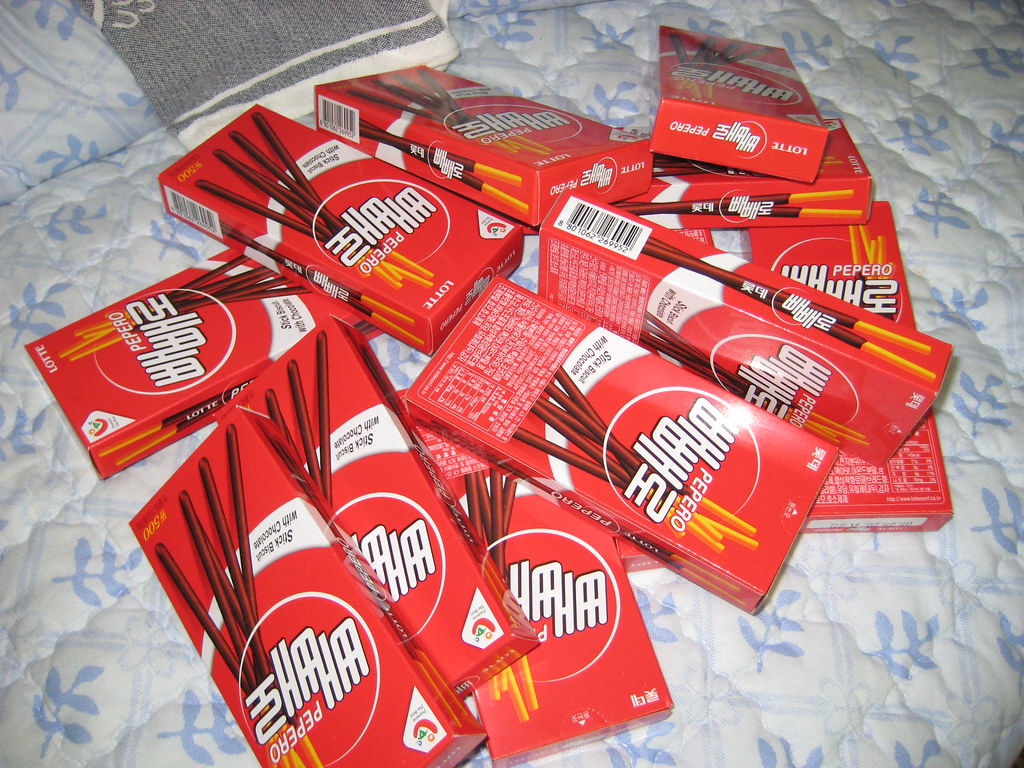
Pepero Day has generated a notable economic impact within South Korean society, breathing life into consumer markets and local businesses. The surge in sales surrounding this sweet holiday reflects its growing popularity; retailers and confectioners eagerly prepare for the influx of shoppers as November 11 approaches. Stores daringly innovate their product offerings, leading to a competitive atmosphere.
Companies invest in extensive marketing campaigns focused on the upcoming celebrations, highlighting limited-edition Pepero flavors and special packaging. This not only boosts sales for iconic brands like Lotte, but also supports small businesses that offer artisanal or homemade variations of the snack. The expansive range of options allows consumers to select from multiple price points, catering to varied demographics and tastes.
Cafés, restaurants, and bakeries tend to engage in the Pepero Day trend as well, contributing to the overarching economic effects. Many establishments explore unique recipes that pay homage to the holiday while drawing in patrons searching for a delightful experience. The fusion of Pepero-inspired menu items has the potential to attract crowds, providing a boost in business during this festive season.
Notably, the economic impact stretches beyond food-related industries. The lively nature of Pepero Day creates a ripple effect among logistics, transportation, and marketing sectors, demonstrating how a single holiday can enhance various interconnected systems. The day’s celebrations lead to increased consumer engagement, thereby revitalizing retail and boosting economic activity across the board.
For local artisans, Pepero Day presents an opportunity to take part in the celebrations through creative avenues·building exhibitions, hosting Pepero workshops, or designing custom-themed merchandise. Such efforts enhance local pride and contribute to community spirit by providing engaging experiences, all while building the local economy.
In conclusion, Pepero Day has cemented its status as an influential holiday within South Korea, invigorating consumer lifestyles and providing a substantial economic boost. The growth of both large and small enterprises is indicative of the holiday’s societal significance, creating pathways to explore innovation and evolve cultural practices while building economic connectivity.
Global Influence: Pepero Day Beyond South Korea’s Borders
Pepero Day’s charm has begun to transcend borders, as its popularity and influence trickle into other parts of the world. The spread of K-culture through social media, Korean television dramas, and global fandom surrounding K-Pop has introduced various aspects of South Korean traditions to international audiences. As the holiday garners attention, many people outside South Korea have shown interest in participating in these whimsical celebrations.
Countries with significant Korean populations, such as the United States, Canada, and Australia, have begun adopting Pepero Day festivities. Diaspora communities are particularly instrumental in keeping traditions alive·and in adapting them to fit their local culture. Events organized within Korean cultural centers or community spaces often feature Pepero-themed gatherings, highlighting the importance of food and sharing in expressions of love.
social media serves as an essential platform for sharing Pepero Day experiences globally. Unique presentations of gifting and special sweets offered by different nationalities further diversify the holiday’s recognition. Hashtags related to Pepero Day allow users worldwide to join in the fun while documenting their own creative celebrations, building a sense of global community.
The intrigue surrounding Pepero is facilitated by its resemblance to similar holidays celebrated in different cultures, such as White Day and Valentine’s Day. This interconnectedness may inspire individuals to explore relationships with others through gift-sharing customs, regardless of geographic locations. The growing global influence emphasizes the evolving nature of Pepero, highlighting its adaptability as a cultural symbol.
the expansion of international Korean restaurants and eateries has led to the introduction of Pepero as a delightful menu option. As these establishments begin to engage in Pepero Day promotions, local consumers often become intrigued and eager to experience this uniquely Korean holiday. Collaborative events that merge Korean and local traditions serve to enrich the cultural fabric of host countries.
In essence, Pepero Day’s journey beyond South Korean borders signifies the remarkable way traditions can evolve over time, gathering enthusiasts of diverse backgrounds. The communal spirit of reminder, love, and joy can resonate universally, building deeper connections among people worldwide through sweet treats and cherished moments.
In conclusion, Pepero Day represents an enchanting blend of tradition, innovation, and communal bonding rooted in South Korean culture. This holiday not only highlights the importance of relationships but also enriches local economies and extends its influence globally. As individuals continue to explore creative ways of celebrating, Pepero Day promises a bright and loving future that weaves together diverse narratives through the power of connection·one chocolate-covered biscuit stick at a time.