
The lantern floats leave Jinju in October, and for a few evenings the Nam River becomes a page of light. Somewhere upstream, a grandmother is folding paper for a lantern her granddaughter will carry. This is how Korea keeps time. Not by the calendar on the webpage, but by the festivals that pull families back to the same riverbank, the same shrine, the same dish on the table.
Korean festivals are not a season. They are a year. Seollal (설날) opens it, Chuseok (추석) anchors the harvest, Dano marks midsummer, and dozens of regional festivals fill the space between. Each one carries a specific gesture. A bow, a food, a color, a garment. Read this as a working calendar for anyone who wants to mark the year the way our families still do.
Festivals in Korea are not only a time for celebration but also an opportunity for reflection and gratitude. Many events are dedicated to honoring ancestors, the spirits of nature, and the changing seasons. This connection to the past and nature is an integral part of Korean identity, building a sense of respect for historical traditions and the environment. As such, the lively world of Korean festivals is as much about celebration as it is about remembrance and appreciation for the elements that shape life.
In recent years, the global interest in Korean culture has led to a greater emphasis on promoting these festivals to international audiences. This has resulted in increased tourism, with many travelers eager to experience the authentic atmosphere of Korean celebrations. As a result, these festivals have evolved to accommodate visitors while maintaining their traditional essence, creating a delightful blend of old and new. This guide aims to highlight the most significant festivals and provide insights into what makes them special.
Understanding the dynamic nature of these celebrations is essential for anyone looking to immerse themselves in Korean culture. By exploring the variety of festivals available, one can gain a deeper appreciation for the rich history and traditions that define Korea. From traditional folk events to modern adaptations, each festival offers something unique that resonates with both locals and visitors alike.
In the following sections, this guide will explore deeper into the different types of festivals celebrated across Korea, exploring their significance, cultural meanings, and the experiences they offer to those who participate.

Traditional Celebrations: A Deep Dive into Heritage Events
Traditional celebrations in Korea are rooted in the nation’s history and cultural heritage. One of the most notable events is Seollal, the Lunar New Year, which is celebrated with family gatherings, ancestral rites, and traditional games. During this time, families perform the ritual known as Charye, where they prepare offerings to honor their ancestors, showing the strong familial bonds that characterize Korean society.
Another major traditional celebration is Chuseok, often referred to as Korean Thanksgiving. This harvest festival involves preparing and sharing food, particularly songpyeon (rice cakes), and honoring deceased ancestors through ritualistic practices. Chuseok exemplifies the importance of gratitude in Korean culture, as families come together to celebrate the fruits of their labor and express thankfulness for a bountiful harvest.
The Dano Festival, celebrated on the fifth day of the fifth lunar month, is another significant traditional event. It marks the beginning of summer and is associated with various customs, including preparing special foods like surichwi (a type of traditional herbal drink) and participating in folk games. The festival is an opportunity to engage with the changing seasons, showing the connection Koreans have with nature.
Traditional celebrations often feature lively music and dance, with performances that highlight Korea’s artistic heritage. Folk music, known as “pansori,” and traditional dances such as “ganggangsullae” are integral parts of these festivities, allowing participants to connect with the cultural roots of their ancestors. These performances create an intimate atmosphere, building a sense of community and belonging among attendees.
Communities across Korea take pride in maintaining their unique traditions during these celebrations, often incorporating local customs and practices that have been passed down through generations. This diversity enriches the overall experience of traditional festivals, allowing visitors to witness a variety of cultural expressions in one country. Each region may have its own variations of customs, foods, and rituals, making every festival a new adventure.
As traditional celebrations continue to be a focal point for preserving cultural heritage, they also serve as an educational experience for younger generations. By participating in these events, children learn about their history and the values that shape their identity, ensuring that Korea’s rich mix of traditions remains lively for years to come.
Seasonal Festivals: Embracing Nature’s Cycles in Korea
Seasonal festivals in Korea are a beautiful celebration of nature’s cycles, reflecting the profound connection Koreans have with their environment. One of the most prominent seasonal festivals is the Cherry Blossom Festival, celebrated in spring when the cherry trees bloom across the country. This event draws both locals and tourists, who gather in parks to enjoy picnics under the blossoming trees, creating a picturesque scene that symbolizes renewal and hope.
In summer, the Boryeong Mud Festival takes center stage, highlighting the region’s natural resources and unique traditions. Participants indulge in mud wrestling, mudslides, and a variety of activities that promote health and wellness through the therapeutic properties of mud. This festival not only celebrates the summer season but also emphasizes the importance of outdoor activities and community engagement during the warmer months.
The autumn season is marked by the Gwangju World Kimchi Festival, which pays homage to Korea’s most beloved dish. This festival showes the art of kimchi-making, with cooking demonstrations, tastings, and competitions that engage the community in this time-honored tradition. As autumn is a time for harvest, this festival also emphasizes the importance of seasonal ingredients and the role they play in Korean cuisine.
Winter festivals, such as the Hwacheon Sancheoneo Festival, celebrate the beauty of the cold season. This ice fishing festival attracts enthusiasts who gather to fish for trout in the frozen rivers of Hwacheon. Attendees can enjoy a variety of activities, including sledding, ice skating, and even trying their hand at catching fish through holes drilled into the ice. This event exemplifies the Korean spirit of embracing the challenges and joys of winter.
Seasonal festivals provide an invaluable opportunity for communities to come together, celebrate the changing environment, and share their love for nature. Each festival reflects the local culture and customs, allowing attendees to partake in unique experiences that vary across the country. This diversity underscores the importance of regional traditions while also building a sense of national identity.
these festivals play a crucial role in promoting eco-tourism and raising awareness about environmental conservation. As communities highlight their natural beauty and resources, they also emphasize the need to protect and preserve these elements for future generations. Seasonal festivals not only celebrate the present but also encourage a sustainable approach to enjoying and interacting with nature.
Unique Cultural Events: Honoring Arts and Traditions
Unique cultural events in Korea serve as a lively mix of artistic expression and tradition, showing the country’s rich heritage. One of the most celebrated events is the Andong Mask Dance Festival, which draws attention to the traditional mask dances that have been performed for centuries. This event not only features performances but also offers workshops and exhibitions that look at the history and significance of Korean masks, building a deeper understanding of this art form.
The Busan International Film Festival, another notable cultural event, has garnered international acclaim for its contributions to the film industry. This festival highlights both established and emerging filmmakers, providing a platform for showing diverse stories and artistic expressions. Screenings, discussions, and workshops throughout the festival create an engaging environment for cinephiles and aspiring filmmakers alike.
The Jeonju International Film Festival is also significant, celebrating independent cinema and encouraging artistic innovation. With a focus on storytelling and creativity, this festival attracts filmmakers and audiences from around the globe, promoting cultural exchange and dialogue through the medium of film. The event showes the interplay between traditional and modern narratives, reflecting the ongoing evolution of Korean culture.
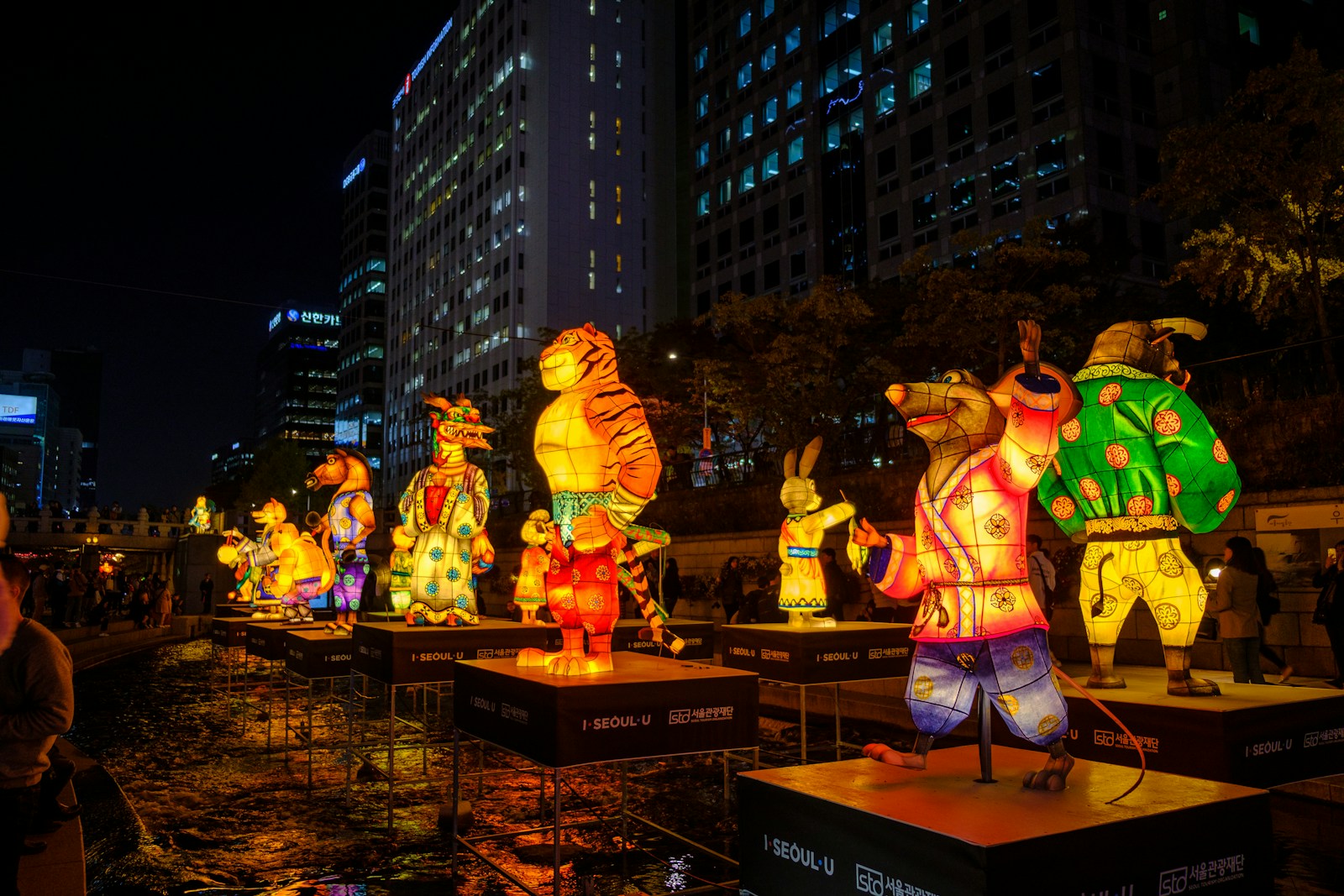
Additionally, the Seoul Lantern Festival transforms the Cheonggyecheon Stream into a mesmerizing display of colorful lanterns, celebrating the art of lantern-making. This event features detailed designs that tell stories from Korean folklore, mythology, and contemporary culture. The festival embodies the communal spirit of creativity, as artists and craftsmen come together to share their passion for this traditional art form.
Cultural events often involve the participation of local communities, ensuring that traditions are preserved and celebrated. Workshops, performances, and exhibitions provide opportunities for attendees to engage with the arts and learn about the cultural significance of various practices. This engagement builds a sense of pride in heritage and encourages the younger generation to continue these traditions.
these unique cultural events attract tourists interested in experiencing the artistic landscape of Korea. They provide an opportunity for visitors to interact with local artists, attend performances, and immerse themselves in the country’s lively cultural scene. By promoting the arts, these festivals help cultivate a deeper appreciation for Korea’s diverse cultural expressions, solidifying their place in the global artistic community.
Culinary Festivals: A Taste of Korea’s Diverse Cuisine
Korean culinary festivals are a feast for the senses, highlighting the country’s rich and diverse culinary heritage. One of the most famous events is the Seoul Kimchi Making & Sharing Festival, where locals and visitors come together to learn the art of kimchi-making. This festival not only showes different types of kimchi but also emphasizes the cultural and historical significance of this staple dish in Korean cuisine.
The Jeonju Bibimbap Festival celebrates one of Korea’s most iconic dishes, bibimbap. Known for its colorful presentation and harmonious blend of flavors, the festival invites visitors to participate in cooking competitions, tastings, and workshops. As Jeonju is regarded as the birthplace of bibimbap, this event plays a crucial role in preserving local culinary traditions while introducing them to a broader audience.
In Busan, the Jagalchi Fish Market hosts the Busan Seafood Festival, drawing seafood lovers from near and far. This event celebrates the city’s maritime heritage and offers a chance to sample a wide variety of fresh seafood dishes. Cooking demonstrations, tastings, and interactive experiences make this festival a culinary adventure, showing the depth and flavor of Busan’s coastal cuisine.
The Gwangju World Kimchi Festival, mentioned earlier, further emphasizes the cultural importance of food in Korean society. This festival focuses on the various styles of kimchi across different regions, allowing attendees to explore the flavors and ingredients that define this beloved dish. Workshops, lectures, and cultural performances enrich the culinary experience, creating an engaging atmosphere for food enthusiasts.
Culinary festivals in Korea often feature local ingredients, promoting the farm-to-table movement and encouraging sustainable practices. Many events collaborate with local farmers and artisans, ensuring that the food showed is seasonal and reflective of the region’s agricultural practices. This approach not only supports local economies but also builds a deeper connection between consumers and producers.
these festivals provide ample opportunities for cultural exchange, as visitors from around the world gather to experience Korean cuisine. By sharing recipes, cooking techniques, and culinary traditions, these events promote understanding and appreciation of the diverse flavors that characterize Korean food. The emphasis on communal dining and sharing food reflects the deep-rooted cultural values that resonate within Korean society.
Modern Adaptations: How Festivals Evolve Over Time
Modern adaptations of Korean festivals reflect the dynamic nature of cultural expressions and the impact of globalization. As Korea continues to embrace contemporary influences, many traditional festivals have evolved to attract younger audiences and international visitors. For instance, the Seoul Lantern Festival has incorporated modern technology, utilizing LED lights and interactive displays to enhance the visual experience and appeal to the digital-savvy generation.
The Hwacheon Sancheoneo Festival, which started as a traditional ice fishing event, has expanded to include various modern activities such as concerts, exhibitions, and food markets. This adaptation attracts a diverse crowd, blending tradition with contemporary entertainment. Such changes have revitalized interest in local customs while providing new avenues for engagement and enjoyment.
Similarly, the Busan International Film Festival has grown in scale and scope, adapting to the ever-changing landscape of the film industry. With a focus on the inclusion of new media and digital storytelling, the festival continues to attract global attention while maintaining its commitment to showing Korean cinema. This evolution emphasizes the importance of staying relevant in an increasingly interconnected world.
As festivals evolve, they often incorporate elements from other cultures, leading to a rich fusion of traditions. The Seoul Kimchi Making & Sharing Festival, for example, now includes international guests who share their own fermentation practices, encouraging cross-cultural dialogue and collaboration. This blending of culinary traditions highlights the adaptability of Korean festivals and their capacity to grow beyond regional boundaries.
social media has played a significant role in transforming the way festivals are promoted and experienced. With the advent of platforms like Instagram and TikTok, festival organizers can reach a global audience, creating buzz and excitement around events. This increased visibility has led to a surge in festival attendance, as more people seek authentic experiences that connect them to different cultures.
Despite these modern adaptations, the core values of Korean festivals remain intact. The emphasis on community, tradition, and celebration continues to resonate with both locals and visitors. As festivals evolve, they maintain their cultural significance while embracing new ideas and perspectives, ensuring that Korea’s rich mix of traditions remains lively and relevant.
Essential Tips for Attending Korean Festivals
Attending a Korean festival can be an exciting and enriching experience, but preparation is key to making the most out of your visit. One essential tip is to research the festival you plan to attend, as each event has its unique characteristics, traditions, and schedules. Knowing the dates and times of major activities will help you maximize your experience and avoid missing out on key events.
Another important aspect to consider is transportation. Many festivals take place in popular urban areas, which may lead to heavy traffic and crowded public transportation. It’s advisable to plan your route in advance and consider arriving early to secure a good spot for viewing performances or activities. Familiarizing yourself with local transportation options can also make working through your way around easier.
Cultural sensitivity is crucial when attending Korean festivals. Respect local customs and traditions, and be mindful of behaviors that may be considered inappropriate. For instance, when participating in religious or ancestral rites, it is essential to be respectful and follow the lead of local participants. Additionally, learning a few basic Korean phrases can go a long way in building positive interactions with locals.
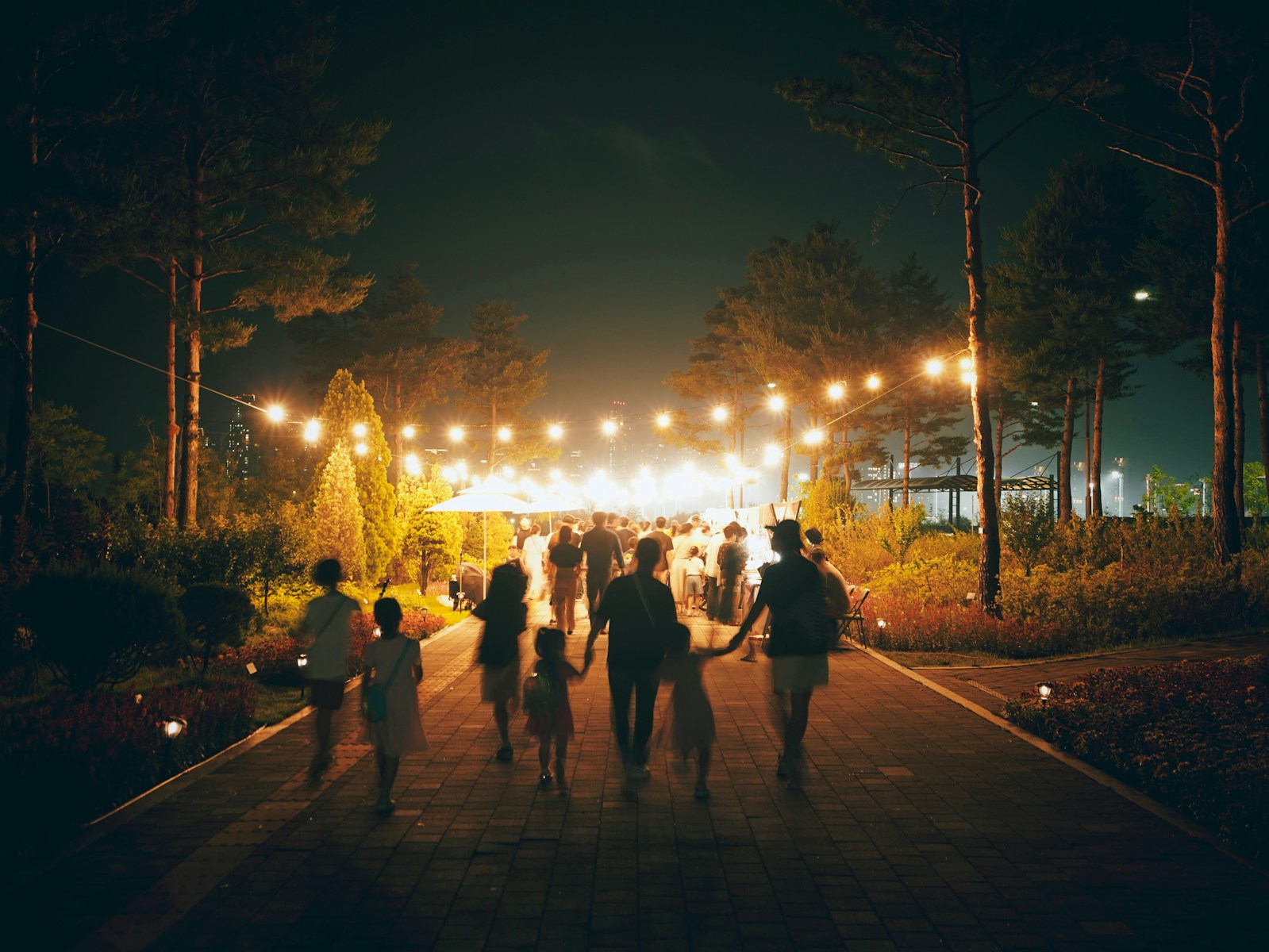
Be prepared for large crowds, especially at popular festivals. While this can create an energetic atmosphere, it may also lead to some discomfort. Dress comfortably and wear appropriate footwear, as you may find yourself walking or standing for extended periods. Bringing water and snacks is also a good idea, as some festival locations may have limited food options.
Engaging with locals is one of the best ways to enhance your festival experience. Strike up conversations, participate in activities, and ask questions about traditions and customs. Many Koreans are eager to share their heritage and will appreciate your interest in their culture. This interaction not only enriches your experience but also builds a sense of connection with the community.
Finally, embrace the spirit of celebration! Festivals are about joy, community, and cultural exchange. Allow yourself to immerse in the atmosphere, try new foods, participate in activities, and create lasting memories. Whether you’re dancing with locals, tasting delicious street food, or marveling at traditional performances, your experience at a Korean festival will surely be unforgettable.
Korean festivals are a lively celebration of life, culture, and community, offering insight into the nation’s rich heritage and traditions. From traditional celebrations rooted in history to modern adaptations that embrace contemporary influences, each festival presents a unique opportunity to connect with the essence of Korea. As you work through through these celebrations, you will discover the warmth of Korean hospitality, the richness of its culinary delights, and the beauty of its artistic expressions. Whether you are a local resident or an international traveler, immersing yourself in Korea’s festival culture is an enriching experience that builds understanding and appreciation for this dynamic nation’s lively fabric.