
The 노리개 on Mrs. Lee's writing desk is small, no bigger than a plum, jade knotted onto crimson silk cord with a short tassel at the end. It belonged to her mother. When she ties it to the goreum of a formal 저고리, the whole silhouette shifts. A small weight at the waist changes how a woman walks in a chima.
Norigae are the ornaments Korean women have tied to their hanbok for centuries. They were never only decoration. Their color, their knotwork, and their small charms carried meaning about the wearer's status, her wishes for her household, and the occasion she had dressed for. This entry looks at norigae and at the 치마, the wrap skirt they were made to accompany, and how both are worn today.
With modernization, the cultural significance of these tassels has evolved, yet their importance remains steadfast. Norigae continue to be used in various ceremonies, such as weddings and holidays, where they symbolize the continuity of tradition. The presence of these ornaments at such events reflects the enduring values of family, love, and communal ties in Korean culture.
the Norigae tassel has found its way into contemporary fashion, where it is now seen as a fusion accessory. Designers incorporate Norigae into modern attire, connecting younger generations with their heritage while keeping the traditions alive. This evolution highlights the adaptability of Korean culture, allowing it to thrive in an ever-changing landscape.
The significance of Norigae also extends beyond its aesthetic attributes; it serves as a bridge between the past and the present. By wearing a Norigae, individuals not only celebrate their heritage but also affirm their identity in a globalized world. The ornament acts as a conversation starter, providing an opportunity to educate others about Korean traditions and values.
In summary, Norigae tassels encapsulate a blend of cultural symbolism, tradition, and modernity. As they continue to adorn the Hanbok and influence contemporary fashion, they symbolize a deep connection to heritage while embracing the future.
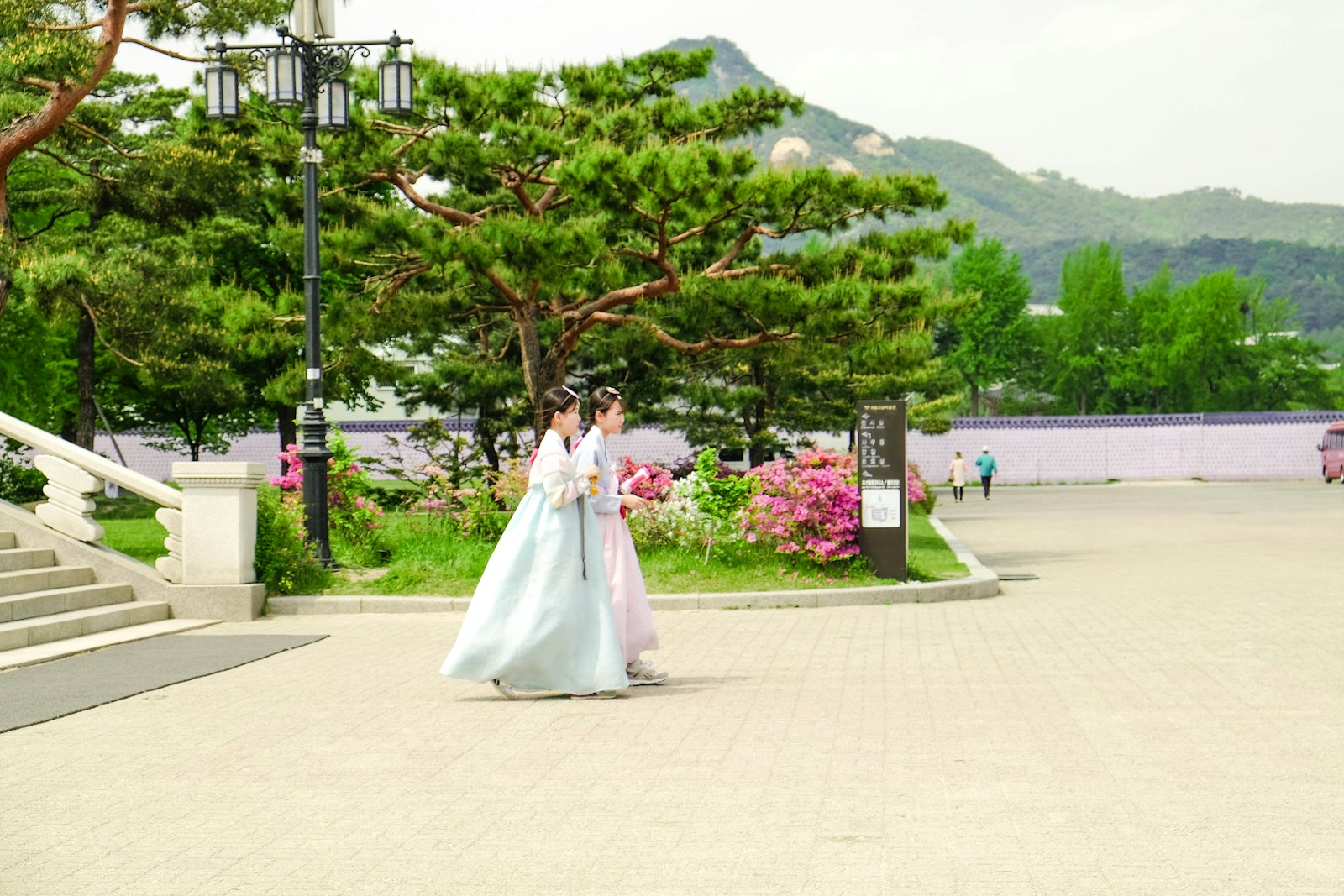
Understanding the Hanbok: A Symbol of Korean Heritage
The Hanbok is a traditional Korean outfit characterized by its lively colors and simple lines. It has been an integral part of Korean culture for centuries, representing national pride and identity. The Hanbok is typically composed of two main pieces: the jeogori, which is the top, and the chima, or wrap skirt, which together showe the elegance of Korean aesthetics.
Historically, the Hanbok’s design has evolved to reflect the society and culture of its time. During the Joseon Dynasty, the Hanbok was worn by all social classes, but the styles and materials varied significantly based on one’s status. The common people wore simpler designs, while the aristocracy showed elaborate fabrics and detailed techniques, making the Hanbok a visual representation of social hierarchy.
In addition to its aesthetic qualities, the Hanbok is imbued with cultural significance. It is traditionally worn during important ceremonies, festivals, and holidays, symbolizing respect for customs and traditions. Wearing a Hanbok during significant life events, such as weddings and the Lunar New Year, reinforces familial bonds and cultural continuity.
The colors and patterns used in Hanbok designs often carry symbolic meanings as well. For example, bright colors are thought to bring happiness and joy, while certain motifs may symbolize prosperity and longevity. This connection to nature and its elements enhances the spirituality of the Hanbok, making it a garment that is not only worn but also celebrated.
In recent years, the Hanbok has gained popularity among younger generations, leading to a resurgence of interest in traditional clothing. Designers are now experimenting with modern interpretations of the Hanbok, blending traditional elements with contemporary fashion. This evolution has not only revitalized interest in the garment but has also created space for dialogue about cultural identity.
Ultimately, the Hanbok stands as a testament to Korea’s rich heritage, encapsulating the beauty and complexity of traditional dress. Its enduring presence in both historical contexts and modern interpretations continues to inspire pride and appreciation for Korean culture.
The Artistry Behind Norigae: Craftsmanship and Design
Creating a Norigae tassel is an detailed art form requiring remarkable skill and attention to detail. Artisans carefully handcraft each tassel, employing techniques passed down through generations. The process begins with selecting high-quality materials, including silk, leather, and beads, which form the basis of the tassel’s design.
Once the materials are chosen, artisans begin the labor-intensive process of assembling the tassel. Each Norigae can take several hours to complete, as artisans weave detailed patterns and incorporate symbolic motifs. The use of lively colors is not merely for aesthetic appeal but is also rooted in traditional beliefs·specific colors are chosen for their auspicious meanings.
the designs of Norigae are often inspired by nature and folklore, reflecting the close relationship Koreans have with their environment. Common motifs include flowers, butterflies, and mythical creatures, each carrying its own significance. For example, the crane symbolizes longevity, while the peony represents wealth and prosperity.
The craftsmanship involved in creating Norigae is a form of cultural expression. It showes not only the artisans’ technical abilities but also their understanding of cultural symbolism and aesthetics. As such, each Norigae is a unique piece of art, reflecting the individual artisan’s creativity and cultural heritage.
In recent years, there has been a resurgence of interest in traditional crafts, prompting new generations of artisans to explore Norigae making. Workshops and cultural programs have emerged, allowing individuals to learn and appreciate this beautiful craft. This rediscovery has contributed to the preservation of traditional techniques and ensured that Norigae remains a lively aspect of Korean culture.
The artistry behind Norigae serves as a reminder of the importance of craftsmanship in cultural identity. Each tassel is not only a decorative accessory but also a representation of history and tradition, connecting the wearer to their ancestors and heritage.
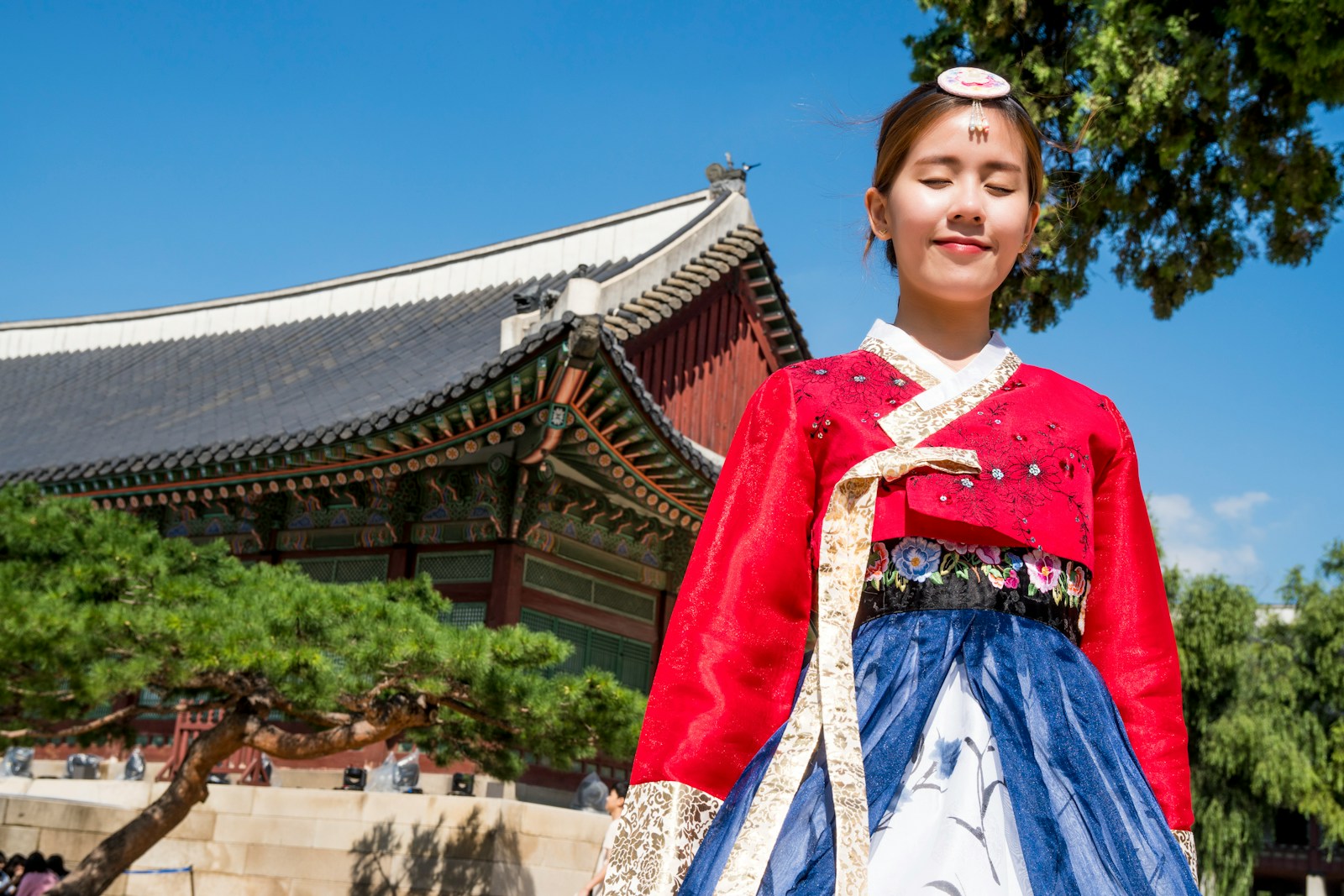
The Evolution of the Hanbok Wrap Skirt Through Time
The Hanbok wrap skirt, known as chima, has undergone significant transformations throughout Korean history. Originally, the chima was a simple, unadorned garment that provided comfort and practicality for daily wear. As time progressed, its design became more elaborate, reflecting the changing social and cultural landscapes of Korea.
During the Goryeo Dynasty, the Hanbok began to be associated with status and class, prompting the chima to evolve into more ornate designs. The introduction of lively colors and detailed patterns transformed the chima into a fashion statement that conveyed wealth and sophistication. This shift marked the beginning of the Hanbok as not just functional clothing but an expression of identity and social standing.
By the Joseon Dynasty, the chima had developed into a key component of traditional attire, often featuring elaborate embroidery and beautiful fabrics. The waistline of the chima became more defined, and the garment itself took on a fuller shape, contributing to the overall silhouette of the Hanbok. This evolution was indicative of the era’s ideals of beauty and femininity.
In the 20th century, the Hanbok faced challenges due to Western influences and modernization. Traditional clothing was often viewed as outdated, leading to a decline in its everyday use. However, the latter half of the century saw a revival of interest in the Hanbok, as Koreans began to embrace their heritage and seek ways to incorporate traditional elements into modern life.
The wrap skirt has also been adapted to suit contemporary tastes and lifestyles. Designers are now reimagining the chima with innovative cuts, materials, and patterns, allowing it to be worn on various occasions, from formal events to casual gatherings. This evolution reflects a broader trend of blending tradition with modernity, making the Hanbok accessible to younger generations.
Today, the chima continues to be an essential part of the Hanbok, symbolizing the enduring nature of Korean cultural identity. Its journey through time reflects the resilience and adaptability of Korean traditions, ensuring that the wrap skirt remains a cherished aspect of the nation’s heritage.
How to Wear Norigae with Modern Hanbok Styles
Wearing a Norigae tassel with modern Hanbok styles is an excellent way to honor tradition while embracing contemporary fashion. When accessorizing with Norigae, the key is to blend the traditional elements of the tassel with modern Hanbok designs. This harmonious mix can create a look that is both stylish and culturally significant.
To start, choose a Hanbok that resonates with your personal style. Many modern designs incorporate contemporary cuts and fabrics, allowing for more comfort and versatility. Whether it’s a sleek, made version or a more relaxed fit, selecting a Hanbok that you feel confident in is crucial.
Once you have chosen your Hanbok, consider the color and design of the Norigae tassel. It’s essential to select a Norigae that complements your outfit. For instance, if your Hanbok features lively colors, opt for a Norigae with a more subdued palette to create balance. Conversely, if you’re wearing a minimalist Hanbok, a bold Norigae can serve as a statement piece.
The placement of the Norigae is also important. Traditionally, Norigae is attached to the ribbon of the Hanbok, allowing it to dangle elegantly. In modern interpretations, Norigae can also be worn as a belt accessory or even as a necklace, enhancing the overall look while remaining true to its cultural roots.
When styling your hair and makeup, keep the overall aesthetic in mind. A simple, elegant hairstyle allows the Norigae and Hanbok to take center stage. Similarly, subtle makeup can complement the lively colors of the outfit without overpowering the traditional elements.
Ultimately, wearing Norigae with modern Hanbok styles is about expressing individuality while honoring heritage. This approach not only celebrates the beauty of traditional culture but also brings it into the present, allowing for a unique fashion statement that resonates with both history and contemporary aesthetics.
Preserving Tradition: Norigae and Hanbok in Today’s Fashion
As society evolves, so too do the traditions surrounding the Norigae tassel and the Hanbok wrap skirt. In recent years, there has been a growing movement to preserve and revitalize these traditional elements within contemporary fashion. This trend not only honors Korean heritage but also invites new interpretations and innovations.
Fashion designers are increasingly incorporating traditional motifs and techniques into their collections, creating a fusion of old and new. This blending of styles is evident in various platforms, from runway shows to everyday wear, showing the versatility of the Hanbok and Norigae in modern contexts. By doing so, designers help to keep these traditions alive while making them relevant to younger audiences.
Cultural organizations are also playing a crucial role in promoting the significance of Norigae and Hanbok. Workshops, exhibitions, and fashion shows serve to educate the public about these cultural artifacts, highlighting their importance in Korean heritage. Through these initiatives, the younger generation is encouraged to engage with their culture and embrace their identity.
Social media has emerged as a powerful tool for the preservation of traditional fashion. Platforms like Instagram and TikTok allow for the sharing of Hanbok and Norigae styles, creating communities that celebrate and promote Korean culture globally. This digital space provides a platform for individuals to showe their unique interpretations of traditional attire while connecting with like-minded enthusiasts.
the interest in sustainable fashion has led to a renewed appreciation for handmade crafts such as Norigae. Artisans are gaining recognition for their skills, and consumers are becoming more conscious of supporting traditional craftsmanship. By choosing handmade Norigae, individuals contribute to the preservation of these art forms and the livelihoods of artisans.
In conclusion, the Norigae tassel and Hanbok wrap skirt represent not only a cherished cultural heritage but also a dynamic connection to contemporary fashion. As these traditions are embraced and reinterpreted, they continue to enrich the mix of Korean identity, ensuring that they remain lively aspects of cultural expression for generations to come.
Exploring the Norigae tassel and the Hanbok wrap skirt tradition reveals the depth of cultural significance that these elements hold in Korean society. As they evolve and adapt, they create a bridge between the past and present, building a sense of connection and pride in heritage. Whether worn during traditional ceremonies or modern events, the harmonious blend of Norigae and Hanbok serves as a powerful reminder of the beauty and resilience of Korean culture.