
Walk through the National Museum in Seoul and you can trace a country through its collars. The wide, structured yoke of the Goguryeo tomb murals. The high, tightening 저고리 of late Joseon. The soft, longer lines returning in the ateliers of the last twenty years. Each shift was a quiet argument about who Koreans were becoming.
Hanbok is not a costume frozen in time. It is a living record of dynasty, class, region, and reform, still being edited in Seoul workrooms today. A short heritage of the garment, from ancient origins to the modern pieces Eric commissions for Bay Area families.
Traditional clothing in Korea encountered difficulties during the 20th century’s colonization and industrialization. Western attire grew increasingly popular, and Hanbok became less and less common in daily wear. But there has been a resurgence of interest in traditional Korean clothing during the cultural renaissance of the late 20th and early 21st centuries, indicating a wider awareness for national identity and heritage.
Beyond just being a clothing item, Hanbok has historical significance since it represents Korea’s tenacity and unique cultural character. Every article of clothing conveys a historical narrative by denoting gender, social standing, and even ancestry. The Hanbok serves as a symbol of South Korea’s historical origins and the value of conserving its cultural legacy as the country works through globalization today.
Hanbok is exhibited in museums and cultural events these days, in addition to traditional settings, acting as a link between the past and present. Non-profit groups and cultural associations put up a lot of effort to inform the public about the significance of these clothes in order to preserve the Hanbok tradition for upcoming generations.
Hanbok’s historical voyage serves as evidence of Korea’s diverse cultural heritage. By appreciating the grace and relevance of traditional Korean clothing, modern society recognizes how crucial it is to preserve cultural continuity in the face of fast modernity.
Important Features: Comprehending the Design Elements of the Hanbok
The distinctive design elements of the Hanbok, which include vivid colors, flowing lines, and an all-around feeling of elegance, set it apart. The structure of the Hanbok, which consists of a jeogori (jacket) and chima (skirt for women) or baji (trousers for males), encourages comfort and ease of movement. A full chima creates an exquisite silhouette when combined with the jeogori, which is frequently short and fitting.
The utilization of natural materials is one of Hanbok’s most noticeable design features. Hanbok, which is traditionally made of breathable materials like silk and ramie, is intended to be worn in a variety of weather conditions, enhancing comfort in both the summer and the winter. The sophisticated and labor-intensive workmanship that goes into making a Hanbok frequently includes hand-woven linens and original embroidery designs that showe the artist’s talent and imagination.
The Hanbok has a design that is full of symbolic importance in addition to being aesthetically pleasing. The high waistlines and extended sleeves are evocative of Korean modesty and elegant standards. The Korean concept of balance, which aims to achieve harmony between the body and clothing, has an impact on the general design of the Hanbok. The garment’s flowing lines and gentle curves, which convey a sense of elegance and peace, are a manifestation of this concept.
The intentional use of space in Hanbok design is another important feature. While Hanbok is more loosely fitted than Western design, which frequently stresses clothing that is form-fitting, Hanbok is more flexible and more suited for a variety of activities, such as dancing and celebration. This useful feature preserves the dress’s attractiveness while showing its usefulness.
An important aspect of Hanbok’s overall presentation is the selection of accessories. Men frequently don a traditional headgear known as a sangtu, while women adorn themselves with norigae, a traditional pendant, and other types of Korean jewelry. These accoutrements convey unique flair and personality while enhancing Hanbok’s aesthetic appeal.
The design features of Hanbok showe the elegance of Korean aesthetics with its elegant lines, significant symbolism, and emphasis on comfort. Knowing these little details makes it easier to appreciate the Hanbok as a work of living art that has endured and is still evolving.
Colors Have Cultural Significance in Hanbok Traditions
Hanbok colors are more than just fashion statements; they have profound cultural meaning and are frequently associated with different characteristics like sentiment, age, and status. The colors utilized in Hanbok have historically come from natural sources, including as plants and minerals, giving each shade a distinct meaning. Regarded as essential to Korean philosophy, the five colors are red, blue, yellow, black, and white. They represent the elements of wood, fire, earth, metal, and water, respectively.
Red is a popular color for women’s hanbok and is associated with happiness, festivities, and luck. Worn often during significant occasions, such festivals and weddings, it serves to draw good vibes and happiness. On the other hand, blue, which is frequently seen in clothing for males and young people, is linked to stability and hope. Wearing this color during important life events is common since it exudes tranquility.
Another common hue in Hanbok customs is yellow, which stands for wealth and abundance. Yellow has always been associated with the royal family and represents riches and power. Festivals and celebrations frequently feature its vivid tint, which contributes to expressing the joyous atmosphere of the occasion. Contrarily, black, which is typically associated with mourning clothes and symbolizes the solemnity of death and recollection, is linked to maturity and stability.
White is a common color for Hanbok and is symbolic of simplicity and purity. Given that it embodies the natural beauty and modesty aesthetic, it has profound ties to Korean culture. Although white is sometimes associated with grief, it also represents harmony and tranquility, making it a flexible color choice in a variety of settings.
Colors have more meaning in Hanbok than only traditional connotations; they also reflect the values of the modern society. Many contemporary designers are experimenting with creative color palettes and reinterpreting ancient iconography to appeal to today’s fashion sensibilities, as individuality and self-expression become more and more prevalent. This development shows how Hanbok changes and stays relevant in today’s fashion.
Gaining an understanding of the cultural meaning of colors in Hanbok customs can help one better understand Korean identity and beliefs. It highlights how adaptable Hanbok is as a cultural relic that keeps significance even as it changes with the times.
Seasonal Changes: Hanbok’s Response to Changing Weather
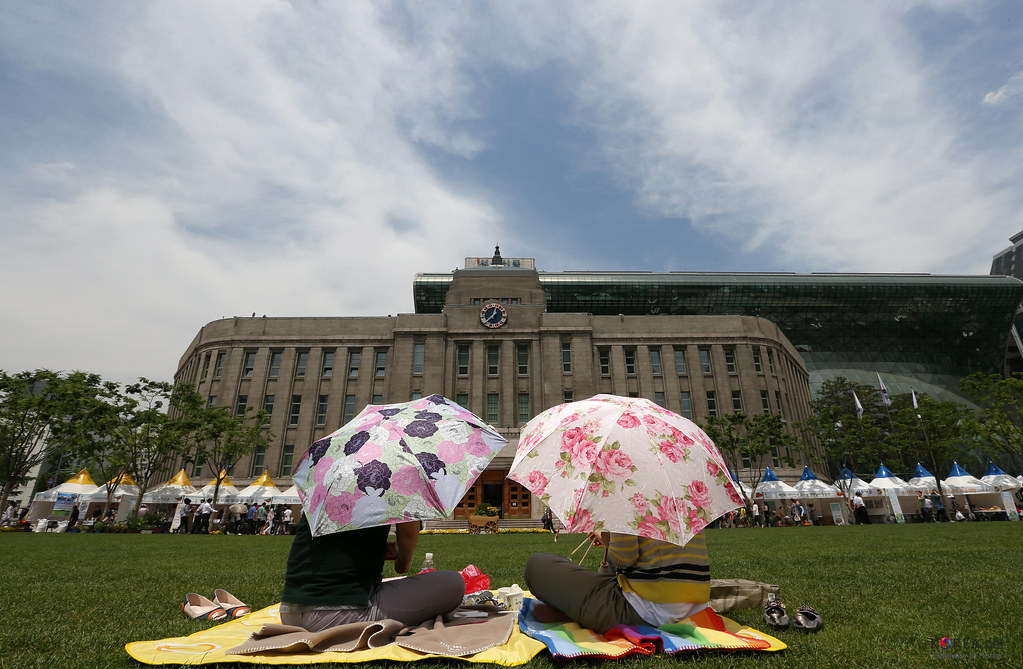
Korean clothing is remarkably responsive to seasonal variations, with certain styles and materials designed to withstand different climates all year round. In summer, lighter materials like cotton or ramie are preferred because they breathe well and provide comfort in the sweltering heat. Summer Hanbok represents the exuberance of the season and goes well with outdoor gatherings and festivals. It is often distinguished by bright colors and flowery motifs.
In order to add extra warmth during the winter, Hanbok frequently layers heavier materials, like blends of silk and wool. The use of colorful inside linings, called jeogori, keeps the garment elegant while adding extra insulation. During the colder months, one can incorporate accessories like shawls, scarves, or heavy jackets into their outfit to keep warm and look fashionable.
Transitional styles offer a great way to highlight Hanbok’s adaptability in the spring and fall. The pastel colors of spring, which are known for their beauty, are a reflection of the blossoming plants and the cherry blossom season that is so well-liked in Korea. Autumn Hanbok, on the other hand, embraces darker tones that reflect the lively hues of the changing leaves and denote plenty and the coming of harvest.
Hanbok’s capacity to adjust to seasonal variations highlights its usefulness. Conventional designs feature components that strike a mix between use and style, guaranteeing wearers’ year-round comfort. This practical feature reminds us of the historical setting in which Hanbok originated, when garments had to represent cultural ideals and fulfill utilitarian needs.
Hanbok’s seasonal changes highlight the importance of the balance between nature and human life·a notion that is fundamental to Korean philosophy. The selection of textiles and colors speaks to the people’s emotional landscape in addition to reflecting the actual surroundings.
Seasonal Hanbok variations continue to be a vital part of Korean identity even as modern fashion changes. In order to ensure that Hanbok is timeless and captures the beauty of Korea’s ever-changing landscape, modern designers use parts of the past while also drawing influence from traditional styles.
Hanbok’s Place in Korean Festivals and Ceremonies
In Korean rituals and celebrations, hanbok is a significant item that serves as a visual depiction of customs and cultural values. Wearing hanbok is commonly associated with important life milestones, including marriages, birthdays, and coming-of-age ceremonies. For instance, the youngster wears a bright Hanbok during the traditional first birthday celebration, doljabi, signifying their entry into the community and the wishes for a prosperous future.
For the Hanbok, weddings are especially important events since it’s customary for couples to dress traditionally to honor their union. These ceremonies are made more culturally rich by the use of detailed embroidery and symbolic colors. In traditional marriages, the groom wears a more somber dress, signifying reverence and modesty, while the bride usually dons a crimson and green Hanbok, suggesting a happy and wealthy life ahead.
Apart from significant life events, Hanbok is essential to annual customary celebrations. Families wear hanbok on holidays like Chuseok, which is the harvest festival, and Seollal, which is the Lunar New Year, as a way to honor their ancestors and celebrate their cultural history. During these celebrations, donning hanbok connotes a link to the past and builds a sense of shared togetherness.
Hanbok continues to be important, even in contemporary ceremonies. Through showing the beauty and significance of Hanbok, cultural events and exhibitions regularly inspire new generations to connect with their ancestry. Youth interest in traditional attire is on the rise, which is indicative of a larger push to accept and celebrate Korean identity by incorporating Hanbok into modern events and daily life.
Hanbok also travels beyond national borders thanks to participation in international cultural festivals and events. The introduction of traditional Korean clothing to a worldwide audience through exchanges and exhibitions promotes understanding and communication between different cultures.
Hanbok plays an important part in rituals and festivals, demonstrating its continued value as a cultural relic. Hanbok promotes a sense of pride and unity among its people by serving as a reminder of Korea’s rich cultural landscape through its vivid colors, elaborate designs, and historical context.
Modern Interpretations: The Hanbok in Contemporary Clothing
Traditional Korean clothing is making a comeback in the world of fashion, as designers are incorporating Hanbok details into contemporary looks. Hanbok has rekindled interest thanks to this creative approach, which appeals to younger generations who want to appreciate their cultural heritage in modern settings. In order to create hybrid clothing that combines traditional aesthetics with contemporary sensibilities, designers are experimenting with fabrics, cuts, and color palettes.
Hanbok-inspired fashions have become more common in South Korean fashion weeks, indicating a rising trend for authenticity and ethnic pride. For their catwalk shows, some design houses have attempted to reimagine the Hanbok, emphasizing its grace with dramatic forms and avant-garde materials. This trend demonstrates how traditional clothing may blend smoothly with contemporary styles, enabling Hanbok to develop while holding onto its historical relevance.
A noteworthy feature of modern interpretations is Hanbok’s greater accessibility. Social media and e-commerce sites have made it easier to contact audiences who are interested in traditional clothing. As more manufacturers begin to offer reasonably priced, ready-to-wear Hanbok, customers are increasingly likely to buy these sophisticated items and incorporate them into their wardrobes for a variety of situations.
Not only that, but the mainstreaming of Hanbok has sparked conversations about identity, culture, and style. The way that traditional and modern clothes are combined draws attention to how dynamic cultural expressions are and how they adjust to modern living. In this way, Hanbok is a living tradition that still inspires and connects with younger generations rather than just a historical artifact.
Gender norms have not applied to this modernization of Hanbok. Though historically linked to particular gender roles, contemporary interpretations of hanbok subvert these expectations and permit flexibility in both design and application. By appreciating the beauty of cultural dress that defies convention, this inclusive approach encourages people to express themselves in a variety of ways.
It is impossible to ignore Hanbok’s impact on global fashion trends as modern designs become more popular. Traditional Korean components have served as a source of inspiration for designers and brands worldwide, enabling them to incorporate the refined and refined aesthetic of Hanbok into their works. This international involvement demonstrates Korean culture’s enduring attraction and influence on the fashion business.
The way that current fashion has interpreted Hanbok in recent times shows how versatile the item can be. Hanbok is a living example of how culture and modernization may coexist while still honoring Hanbok’s historical and cultural value.
Influence Worldwide: Hanbok’s Effect on International Fashion Trends
Beyond South Korea, the grace and allure of Hanbok have started to spread, inspiring designers and shaping global fashion trends. Hanbok has come to represent this cross-cultural interchange as the world’s infatuation with Korean culture·fueled in part by K-pop, K-dramas, and Korean cinema·continues to expand. Traditional Korean components are becoming more and more popular in a variety of fashion contexts, including street style and runway shows.
Embracing Hanbok aesthetics in their designs, fashion designers worldwide showe the elegant forms and vivid hues of this traditional garment. Hanbok’s flowing lines and complex patterns appeal to people who value cultural depth and originality in their clothing. Due to this impact, modern fashion and the grace of Hanbok have come together to create a blend of styles that honor artistic expression and cultural variety.
Hanbok has influenced foreign fashion houses’ partnerships with South Korean designers. These collaborations have produced collections that honor traditional clothing while still being acceptable to a broad market. Fashion aficionados’ interest in Korean culture has surged as a result of the elegance of Hanbok combined with contemporary design principles.
Social media channels are also essential for expanding Hanbok’s international reach. Celebrities, content producers, and fashion influencers present Hanbok-inspired ensembles, showing how traditional clothing may be easily incorporated into daily wear. This prominence inspires people from many cultures to learn about and value Korean heritage in addition to raising awareness of Hanbok.
Conversations concerning sustainability and ethical fashion also converge with Hanbok’s influence on global fashion trends. A lot of contemporary designers are focusing on natural textiles and handcrafted methods that are reminiscent of traditional Korean workmanship. The global trend toward conscious consumption, where traditional clothing like Hanbok embodies principles of durability, workmanship, and ethical manufacture, is in line with this transition toward sustainability.
Additionally, Hanbok’s popularity throughout the world is a reflection of people’s increased interest in cultural diversity and understanding. Wearing hanbok or incorporating its parts into one’s attire serves as a kind of cultural diplomacy that promotes communication and understanding between various ethnicities. By promoting a more inclusive attitude to style and expression, this interchange enhances the global fashion scene.
To sum up, the impact of Hanbok on global fashion trends underscores the potency of cross-cultural communication and the allure of varied styles. This traditional clothing’s lasting legacy demonstrates its capacity to cross boundaries and spark innovation, highlighting the significance of honoring and preserving cultural history in today’s globalized society.
Preserving Tradition: Attempts to Continue Wearing Traditional Clothes Today
There is a deliberate attempt in modern South Korea to conserve the legacy of traditional clothing, especially Hanbok. Individuals, groups, and institutions are all actively working to uphold Hanbok’s cultural significance and ensure its continued applicability in contemporary society. There are other ways to support this preservation endeavor, such as through education, awareness-raising, and revival initiatives.
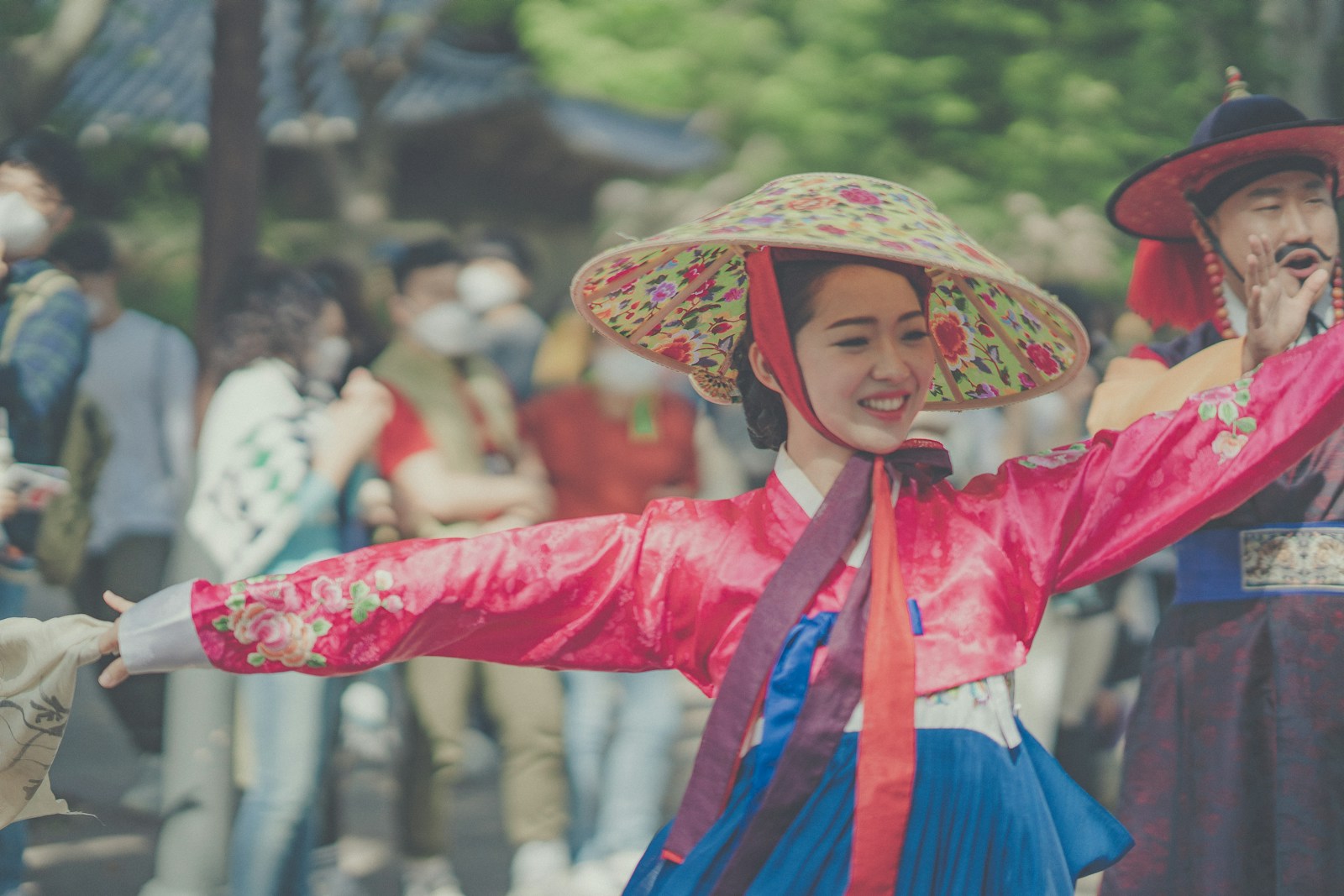
Cultural festivals and activities are essential for bringing Hanbok to the public’s attention. Traditional dances, seminars, and displays highlight the value and beauty of Hanbok during these festivities, drawing in both residents and visitors. Participants gain a deeper understanding of traditional Korean apparel through interactive activities that teach them about its history, craftsmanship, and cultural values.
Education-related programs in colleges and universities also aid in the preservation of Hanbok customs. The curriculum encourages kids to learn about their Korean background and appreciate Hanbok by including lessons about Korean history and culture. Many schools host special dress-up days where students can connect meaningfully with their cultural identity by dressing in Hanbok.
Many designers and fashion businesses are also committed to preserving traditional craftsmanship. Modern designers can successfully bridge the gap between tradition and innovation by working with craftspeople who are proficient in Hanbok creation. These partnerships guarantee the artistic integrity of this traditional clothing by passing on to upcoming generations the skills and information related to Hanbok.
Digital and social media platforms have also had a revolutionary impact on Hanbok preservation. By encouraging people to share their Hanbok experiences online, campaigns and initiatives help to create a communal narrative that honors this cultural heritage. These virtual communities encourage younger generations to participate in their customs by creating a feeling of pride and community.
Further bolstering attempts to promote Hanbok has been the growth of cultural tourism. Many times, visitors to Korea are excited to see traditional attire. Visitors can create unique cultural experiences by donning Hanbok while touring historical locations, thanks to rental businesses and guided excursions. This collaboration not only helps regional craftspeople but also raises Hanbok’s profile internationally.
The joint endeavors to conserve Hanbok and its cultural relevance highlight its significance in the framework of Korean identity. The dedication to preserving and honoring traditional attire guarantees that the Hanbok heritage will endure as a vital component of Korea’s cultural environment, even as society changes.
The Hanbok in particular, which is elegant and significant in traditional Korean clothing, is still a vivid reminder of Korea’s rich cultural past. Hanbok is a symbol of the complexity of identity, tradition, and modernity, from its historical origins to its present interpretations. The garment serves as a reminder of the beauty of cultural history as it continues to influence fashion trends worldwide and finds value in ceremonies and festivals. Future generations will be able to enjoy the enduring spirit of Korean culture thanks to the continuous efforts to conserve and promote traditional attire, or Hanbok.