
Ask any Korean family which day matters most and you will get two answers, sometimes three. Seollal for the elders. Chuseok for the harvest. Children's Day for whoever is small enough to still believe the whole month belongs to them. None of these are interchangeable. Each one has its own bow, its own bowl, its own dress code.
A year of Korean celebrations moves through gestures more than through parades. Rice cake shaped a certain way. A specific bow with the hands stacked a specific direction. Chapchae (잡채) on the table because someone drove two hours to bring the noodles. This is a walk through the holidays that shape a Korean year, and the traditions that hold them in place.
how holiday customs have changed throughout time is a reflection of how quickly South Korea is modernizing and becoming more globalized. Some traditions have not changed, but modern elements have been incorporated, resulting in a dynamic interaction between the old and the new. Today’s celebration of these holidays is shaped by urbanization, exposure to global culture, and seasonal pressures.
In a nation where life is lived at a rapid pace, holidays offer necessary breaks for celebration, reflection, and reestablishing relationships with loved ones. In the face of globalization’s challenges, they also give South Koreans a chance to reaffirm their cultural identity. The secret to comprehending the year’s many holidays is their ingrained importance.
Lastly, the festivities build cross-cultural dialogue and understanding by drawing travelers and attention from around the world. Those who participate in these activities come away with a deeper understanding of South Korea’s culture, customs, and people. Holiday celebrations become a vital platform for cultural exchange and education as the country works to find its position in the world.
In conclusion, holidays in South Korea are an essential part of life that combine customs, history, and a sense of community, which makes them an important part of the country’s continuous story.
Examining Traditional Holidays: Chuseok and Seollal
One of the most important traditional festivals in South Korea is Chuseok, also known as the Korean Harvest Festival. Families gather to remember their ancestors and express gratitude for the harvest of the year on this holiday, which falls on the fifteenth day of the eighth month in the lunar calendar. Families create delectable traditional foods cooked from freshly harvested grains on this festival that blends cultural richness with deep ties to the natural world.
The tradition known as “jesa,” in which families arrange ancestral rites, is one of the highlights of Chuseok. Rice cakes and other traditional meals are among the elegantly presented foods that are offered to the ancestors as a gesture of respect during this event. Children learn about respecting their heritage and passing down family traditions to future generations through this activity.
During Chuseok, “songpyeon,” a crescent-shaped rice cake with savory or sweet fillings, is a traditional favorite. Making this treat together is a common family gathering activity that serves as a means of teaching culinary skills to the next generation. During this important holiday, these shared customs serve to accentuate the value of togetherness and to fortify family bonds.
However, Seollal, also known as the Lunar New Year, is another significant event that ushers in the lunar calendar. Families are encouraged to honor their ancestors with feasts and customs throughout this three-day celebration. To strengthen bonds within families and communities, a variety of games and events are held in observance of the festival.
“Sebae,” a customary bow given by younger family members to their seniors as a show of respect, is one popular custom during Seollal. Elders usually give advice, good wishes for the next year, and occasionally “sebaetdon,” or cash presents, in exchange. This conversation emphasizes the value of respecting elders in the culture while also strengthening family relationships.
Chuseok and Seollal, with their distinct customs and meanings, highlight the breadth and depth of South Korea’s cultural legacy. These festivities demonstrate the harmonious coexistence of history and present, reinforcing cultural identity and promoting generational communal bonds.
Unusual Events: Investigating the Boryeong Mud Festival
One of South Korea’s most distinctive and thrilling events is the Boryeong Mud Festival. This festival began in 1998 and is held in July every year in the seaside city of Boryeong. It draws a lot of attention from both locals and tourists because of its interesting mud-themed activities. The event is both therapeutic and entertaining, with the mud, which is said to be rich in minerals, being praised for its skin advantages.
Mud football, mud wrestling, and mud sliding are among the festival’s opening activities that get attendees in the mood for some good-natured dirtiness. A lively environment that is exclusive to the Boryeong Mud Festival is builded by the laughing and friendship that are present during these activities. When people participate in these activities in large numbers, social barriers are broken down and priceless memories are made.
The event offers a variety of entertainment alternatives, including live music concerts, art exhibitions, and fireworks displays, in addition to its fun mud activities. Families and thrill-seekers alike are drawn to this well-rounded experience that combines culture and leisure. Delicious South Korean street food is available at food stalls, adding to the busy atmosphere.
There are instructional elements to the Boryeong Mud Festival as well, including talks about the advantages of mud-based skincare and cosmetics. This feature promotes the health advantages of the well-known Boryeong mud while also helping to increase public knowledge of the local industries and builds a greater respect for natural goods.
The festival has grown over time to become a major draw on the South Korean event calendar as well as a major source of income for the local tourism industry. The event is becoming more and more well-known, and it serves as an example of how distinctive local celebrations can both support cultural identity and draw tourists from abroad.
All things considered, the Boryeong Mud Festival is a perfect example of the joy, camaraderie, and solidarity that characterize many South Korean festivities, demonstrating that holidays may take many different forms·some even involving a nice roll in the mud.
Modern Twist: Korean Christmas Traditions
Despite being a mostly non-Christian nation, South Korea celebrates Christmas with considerable fervor. The festival has gained popularity in recent years, changing from a widely observed religious event to a popular cultural celebration. Christmas is seen by many South Koreans as a joyous season marked by decorations, lights, and get-togethers with friends and family.
Before December 25, cities all around South Korea are decked out in stunning decorations. Shopping areas like Seoul’s Myeongdong are transformed into dazzling winter wonderlands with festive decorations and lively lighting. People are enjoying seasonal delicacies and holiday shopping, creating a contagious vibe.
Like Valentine’s Day in Western societies, many couples go on romantic dates on Christmas Eve. This recently adopted viewpoint emphasizes how the holiday’s traditional and contemporary connotations are blended together. In order to create a joyful atmosphere, couples frequently visit exquisitely decorated Christmas markets, enjoy supper at restaurants, and exchange gifts.
Christians in South Korea continue to mark Christmas as a religious holiday, despite the fact that many people in the nation celebrate the holiday in a secular way. The spiritual value of midnight masses is reinforced by churches hosting special events and large attendance. This celebration of the two weather shows how different cultural interpretations can coexist together.
In South Korea, food is also a major celebration throughout the holiday season. While there are many variations in traditional holiday fare, popular dishes like beer and fried chicken have become mainstays of many families’ Christmas feasts. With a nod to Western cuisine, these distinctive eating customs capture the spirit of South Korea’s dynamic food scene.
Christmas celebrations in the Korean style demonstrate how holiday traditions have been impacted by globalization. South Korea has developed a unique take on Christmas that mirrors its rapid social transformations by embracing elements of Western customs and adding regional flair.
Mixing Cultures: Seoul’s Lunar New Year Celebration
In South Korea, one of the most anticipated festivals is Lunar New Year, or Seollal. It is observed on the first day of the lunar calendar and is a time for cultural rites, family reunions, and regeneration. Seoul, the nation’s capital, hosts a variety of cultural events that combine historic traditions with contemporary excitement to highlight the colorful celebrations.
During Lunar New Year, Seoul’s festive spirit is evident as public areas and markets are transformed into lively sites of festivity. Buying Seollal essentials and traditional delicacies takes place mostly at traditional markets, where merchants sell freshly produced rice cakes, traditional sweets, and supplies needed for festival meals. The lively conversation and excitement in these markets emphasize how communal the occasion is.
A characteristic that sets Seollal apart in Seoul is the way cultural customs like “sebae,” in which younger family members bow respectfully to their elders, are practiced. This custom highlights thankfulness and strengthens the social bonds that unite families. Many people participate in “jesa,” paying tribute to their ancestors and passing on family history to the next generation.
Throughout Seollal, there are a ton of public events going on, from street shows to cultural exhibits featuring traditional Korean games, dancing, and music. Activities like the traditional board game “yutnori,” which is played by both locals and tourists, build a welcoming and joyous mood. Seoul’s busy streets come alive with laughter, joy, and cultural expression.
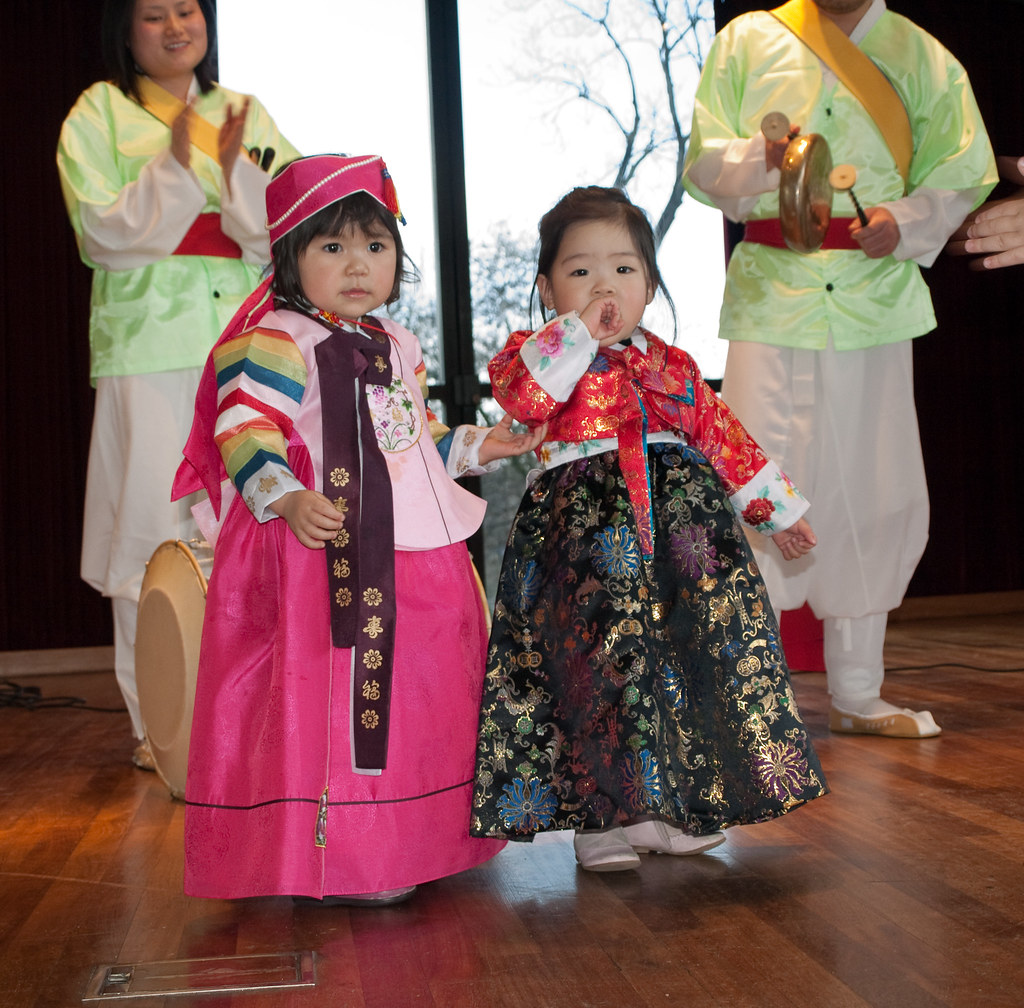
Seoul has held a number of international events in recent years that highlight its rich history and contemporary takes on traditional clothing. Beautiful traditional Korean apparel known as “hanbok” has become fashionable again as people dress up to celebrate the new year and post pictures and stories on social media.
South Korea’s dedication to maintaining its legacy while embracing modernization is demonstrated by the fusion of traditional and modern features during Lunar New Year celebrations. This blending of cultures shows how open-minded the country is to change while holding onto significant traditions that are essential to its identity.
Regional Festivals: Discovering Regional Events Throughout Korea
There are numerous regional festivals in South Korea, each of which beautifully captures the history, customs, and culture of the area. These festivities highlight the nation’s rich ethnic diversity, whether in the calm countryside or the busy cities. Every region contributes something unique, attracting both residents and tourists who want to discover the center of the community’s culture.
For example, Jinju City’s Jinju Lantern Festival honors the historical significance of lanterns used in times of conflict. Thousands of lit lanterns are launched into the river during this magnificent festival, producing an amazing spectacle. Crowds swarm to see the spectacular light display, which honors the region’s history in a charming setting.
In a similar vein, the Gwangju Kimchi Festival pays tribute to kimchi, one of Korea’s most popular staple foods. This event features traditional cooking demonstrations, workshops, and tastings in addition to showing the many regional varieties of kimchi. During such festivals, the focus on regional cuisine highlights the rich culinary heritage that permeates the entire nation.
The Busan Sea Festival in Busan draws attention to the significance of the nautical culture of the seaside city. This festival honors summer and unites residents and visitors with a variety of activities like beach sports, water sports, and entertainment. In addition to highlighting the area’s natural resources, the festival highlights the happiness that comes from participating in group activities by the sea.
Traditional mask dances and performances find a stage at festivals such as the Andong Mask Dance Festival, which captures Korea’s historical performing arts. detailed masks and costumes are worn by participants, who display the inventiveness and beauty of traditional artistic forms. These kinds of events help to preserve past customs while bringing them to new generations of people.
Because they provide residents an opportunity to commemorate their heritage, these regional festivals are essential in promoting a sense of community and cultural pride. They encourage tourists to engage in first-hand cultural exchange and tourism by allowing them to witness the local customs. This commemoration of regional identity enhances South Korea’s holiday scene and guarantees the survival of long-standing customs.
Seasonal Events: Festivals of Cherry Blossoms in the Spring and More
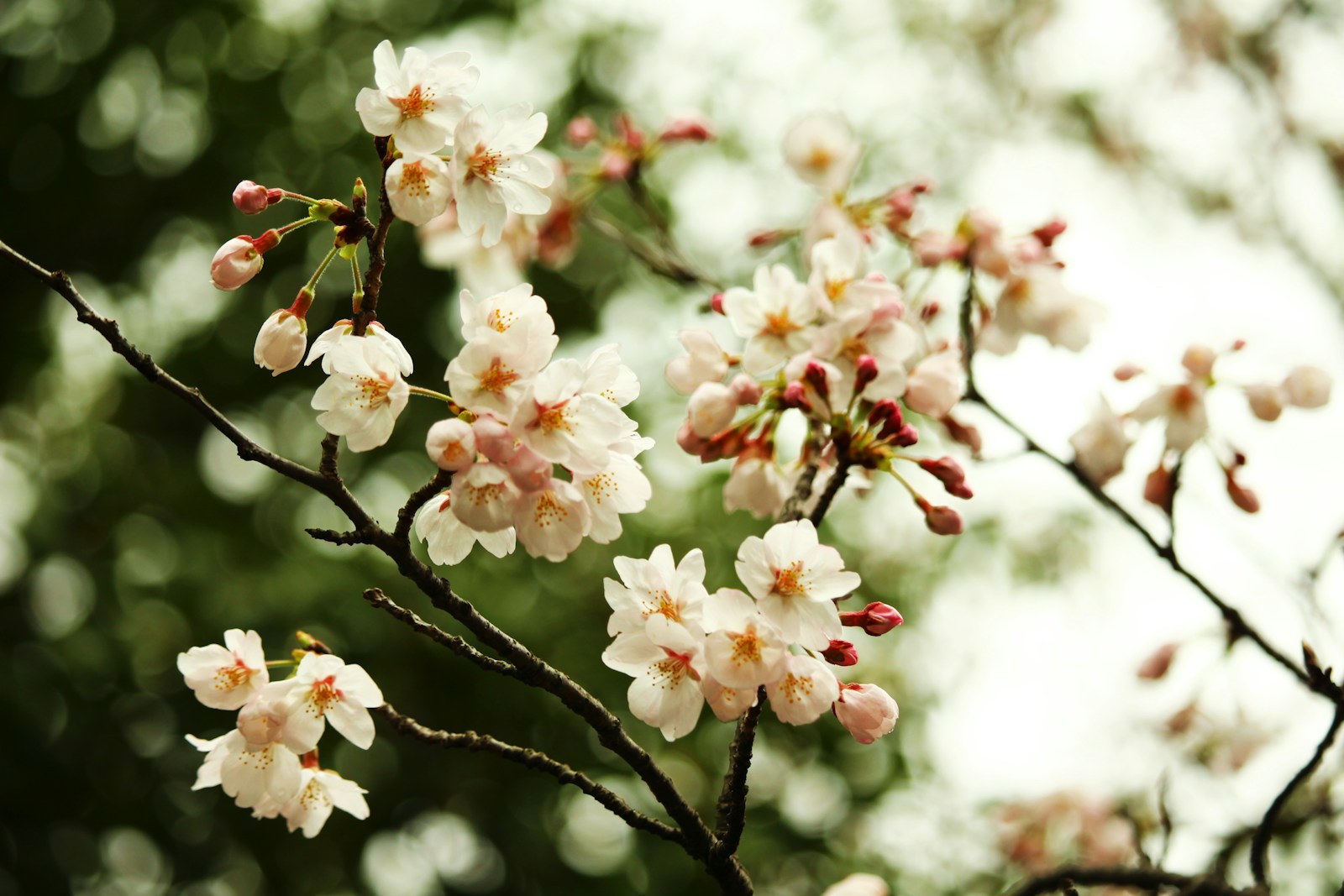
In South Korea, the cherry blossom trees bloom in the spring, creating a visual feast. This fleeting but thrilling natural event marks the beginning of the Cherry Blossom Festivals, which draw impromptu get-togethers, picnics, and picture ops around the nation. For South Koreans, the beauty of these blossoms holds great cultural significance and happiness, representing fresh starts and the fleeting essence of life.
Held in Jinhae, near Busan, the Jinhae Gunhangje Festival is one of the most well-known cherry blossom celebrations. This noteworthy festival honors this renowned flower with a variety of festivities including parades, art exhibits, and cultural performances. The location attracts large numbers of visitors who come to see the spectacular displays of cherry trees in bloom, which builds a sense of joyful celebration among all.
Seoul’s Yeouido Spring Flower Festival is another important location for cherry blossoms. This lively event offers strolls under canopy of soft blooms, along with food vendors, entertainment, and performances. The celebration, which draws people of all ages who come to enjoy the outdoors and the moment, emphasizes the harmony and joy of spring.
Apart from the celebrations of cherry blossoms, there are seasonal activities all year long that incorporate aspects of culture and nature. While beach festivals and water-related events are exciting throughout the summer, fall offers breathtaking leaf celebrations that transform the environment with brilliant hues. Local produce-focused festivals, like those celebrating apples and pumpkins, give the community a chance to enjoy healthful cuisine and seasonal harvests.
Winter also offers a distinct lineup of seasonal activities. The Seoul Lantern Festival, for example, features beautiful lantern creations that tell modern and traditional Korean stories. While appreciating the chilly weather, visitors can stroll along the Cheonggyecheon Stream and take in the beautiful sites that reflect both art and culture.
Essentially, South Korea’s seasonal celebrations build communal cohesion and an awareness for the ever-changing natural world in addition to honoring the natural world. Cherry blossom festivals are a symbol of life’s beauty and transience, highlighting the value of cherishing time spent with loved ones and appreciating the diversity of cultures that exists year-round.
Maintaining Traditions: The Significance of Rituals in Holiday Traditions
The holiday customs of South Korea serve as a powerful metaphor for the country’s legacy preservation. These customs, which have their roots in the history of the country, are important points of contact between the populace and their culture. Every custom, from neighborhood festivals to family get-togethers, symbolizes values and customs that have been passed down through the ages.
In order to assist younger generations connect with their lineage and learn about their cultural identity, rituals play a crucial role. For example, families participate in ancestral rites called as “jesa” during Chuseok and Seollal, where they arrange food offerings and bow before images of their ancestors. This custom instills respect for one’s ancestry, which forms one’s identity, and emphasizes the value of family relationships.
Apart from family-oriented traditions, public customs play a crucial role on national holidays. Festivities such as the Korean Independence Day feature exuberant displays of patriotism, replete with parades and group activities. These manifestations of cultural heritage serve to strengthen ties between the younger generation and their country by giving them a sense of pride and belonging.
In addition, the storytelling tradition is essential to maintaining the history connected to these celebrations. Families transmit historical knowledge and cultural wisdom when they narrate stories of previous festivities and customs. Through the sharing of moral lessons and cultural values, stories help people better understand their beginnings and promote a sense of community.
Rituals are crucial for preserving cultural integrity in the face of fast globalization and modernization. South Koreans have a soft spot for traditional customs even as modern influences change how holidays are observed. These traditions’ capacity to cross generational divides guarantees culture’s enduring significance.
To sum up, rituals in South Korea are living representations of history, community, and identity rather than just routines. South Koreans successfully negotiate their dualities of modernity and tradition through holiday customs and celebrations, demonstrating that progress and legacy may coexist peacefully while maintaining the essence of their cultural inheritance.
South Korea’s varied holiday celebrations provide a window into the complex cultural fabric of the country. Every celebration, from age-old customs like Chuseok and Seollal to unusual events like the Boryeong Mud Festival, emphasizes the value of family, legacy, and community. South Korea creatively embraces current manifestations of celebration while simultaneously honoring its heritage as it works through the challenges of modern living. South Korea’s holidays are a great example of how a country can celebrate its past while eagerly looking forward to the future, whether through colorful regional festivals or seasonal festivities like the cherry blossom celebrations.