
Korean culture is often introduced to Western audiences as a list. The food, the music, the fashion, the cinema, the language. The list flattens it. What Korean culture actually carries is a way of holding the family at the center of every decision, and a way of holding the past inside the present without making either feel like a museum.
This is a short tour of the threads a Korean American family pulls on across the year. The holidays, the ceremonies, the daily meals, the small gestures of respect. Not encyclopedic. Just the parts that show up most.
Archaeological findings, such as pottery, tombs, and ancient scripts, provide insight into the daily lives of early Koreans. Folk tales and shamanistic rituals reflect the spiritual beliefs of the time, showing a deep connection to nature and ancestral reverence. The oral tradition has played a vital role in passing down these stories, ensuring that the wisdom of the past remains alive in the present. As Korea transitioned into modernity, these historical roots laid the foundation for a lively contemporary culture that still honors its past.
The 20th century brought about significant changes, including rapid industrialization and urbanization, which transformed the societal fabric of Korea. These changes not only influenced the economy but also led to a reevaluation of cultural practices. While modernization brought challenges to traditional lifestyles, it also sparked a renaissance of interest in historical arts and crafts, as younger generations seek to reconnect with their heritage. The historical roots of Korean culture thus serve as both a source of pride and a reminder of the enduring strength of Korean identity.
Today, the historical roots of Korean culture can be seen in various aspects of life, from architecture to festivals. Traditional palaces, temples, and villages have been preserved as popular tourist destinations, offering a glimpse into the past. The resurgence of interest in Korean history has also sparked a growing movement to educate both locals and foreigners about the significance of these cultural landmarks. By embracing its historical origins, Korea continues to cultivate a rich and diverse cultural identity.
In summary, the historical roots of Korean culture and traditions provide a foundational narrative that informs contemporary society. By understanding these roots, one can appreciate the beauty of Korea’s cultural complexities and the ways in which history continues to shape its present and future.
The Role of Confucianism in Shaping Korean Society
Confucianism, introduced to Korea during the Three Kingdoms period, played a pivotal role in molding Korean social structures and cultural values. This philosophical system, rooted in the teachings of Confucius, emphasizes familial piety, social harmony, and moral integrity. Confucian ideals became further entrenched during the Joseon Dynasty (1392-1910), when they were adopted as the state ideology, influencing governance, education, and interpersonal relations.
The impact of Confucianism on family structures in Korea is profound. The concept of filial piety·respect for one’s parents and ancestors·has been a cornerstone of Korean society. Children are traditionally expected to care for their aging parents, which reinforces strong family bonds and a sense of duty. This emphasis on family extends to societal relationships, where respect for elders and hierarchical dynamics shape interactions within communities and workplaces alike.
Confucianism has permeated the education system in Korea. The belief in the powerful power of education led to the establishment of a rigorous scholarly tradition that values academic achievement and moral development. The civil service examinations during the Joseon Dynasty exemplified this commitment, as they were based on Confucian texts and principles. Today, this legacy is evident in Korea’s highly competitive education system, where students are often encouraged to excel academically from a young age.
The emphasis on social order and harmony has also influenced political structures in Korea. Confucian values prioritize consensus and collective well-being, which has shaped the governance model throughout Korean history. This approach has builded a culture of respect for authority and adherence to societal norms, although it has also faced challenges in the modern era as democracy and individualism gain prominence.
In contemporary society, the influence of Confucianism continues to be felt. Traditional rites such as Chuseok (Korean Thanksgiving) and Seollal (Lunar New Year) reflect Confucian ideals of honoring ancestors and family reunions. These celebrations serve as a reminder of the importance of family bonds and cultural heritage, reinforcing the ongoing relevance of Confucian values in modern Korean life.
While globalization has introduced new perspectives and influences, the core principles of Confucianism remain embedded in Korean society. As Korea works through the complexities of modernity, the balancing act between tradition and contemporary values continues to shape its social landscape.
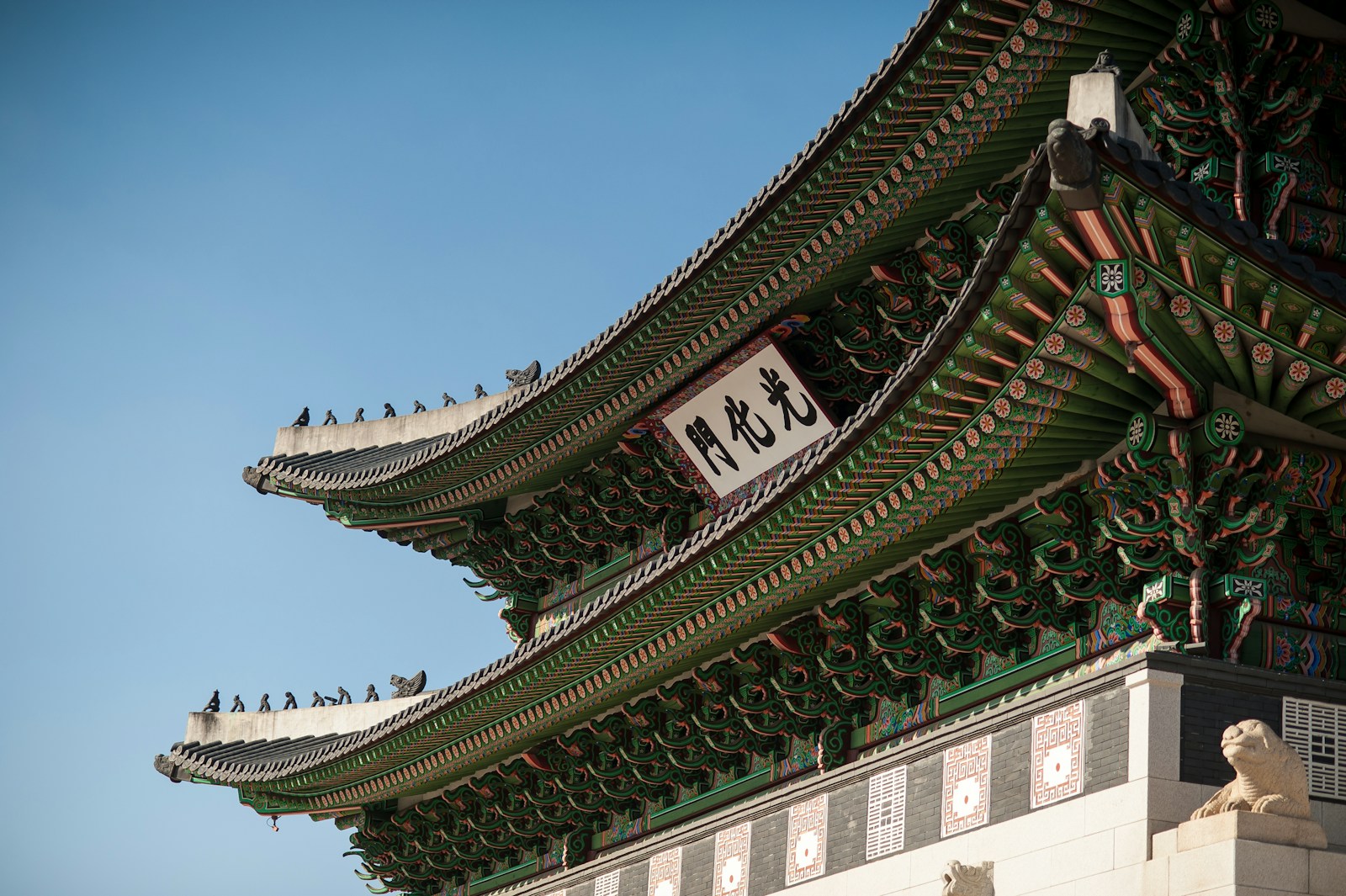
Festivities and Celebrations: A Peek into Korean Holidays
Korea is home to a lots of unique and lively holidays that reflect its rich cultural heritage. Among the most significant are Chuseok and Seollal, both of which are rooted in traditional beliefs and customs. Chuseok, celebrated during the harvest moon, is a time for families to come together and honor their ancestors through ancestral rites known as “Charye.” This festival not only celebrates the bountiful harvest but also reinforces the importance of family and remembrance in Korean culture.
Seollal, or Lunar New Year, is another major holiday that marks the beginning of the lunar calendar. Families gather to pay respects to their ancestors and partake in traditional games and activities. The celebration includes the preparation of special dishes such as tteokguk (rice cake soup), which symbolizes the gaining of a year’s worth of wisdom and maturity. The significance of Seollal lies not just in the festivities but in the strong ties it builds among family members, bridging generations through shared customs.
In addition to these major holidays, Koreans also celebrate a variety of local festivals that showe regional culture and customs. For instance, the Kimjang Festival, which involves the communal preparation of kimchi, highlights the importance of this staple food in Korean cuisine. This event not only brings communities together but also promotes the preservation of this culinary tradition, which has been recognized by UNESCO as an Intangible Cultural Heritage.
modern adaptations of traditional holidays have emerged, blending contemporary practices with historical customs. For example, the celebration of Halloween in Korea has gained popularity, especially among younger generations. While this holiday has Western origins, it is celebrated with a unique Korean twist, incorporating traditional elements and local flavors, showing the adaptability of Korean culture in a global context.
Holidays in Korea also serve as a reflection of the nation’s identity and values. The emphasis on family, respect for ancestors, and community bonding are evident in these celebrations, reinforcing the cultural fabric that unites Koreans. The joy and energy of these festivities not only provide a break from daily life but also serve as a reminder of the importance of cultural heritage.
Through the lens of its holidays and celebrations, one can gain a deeper understanding of Korean culture. These traditions are imbued with meaning and significance, serving to connect individuals to their history, family, and community. As Korea continues to evolve, the role of these festivities in preserving cultural identity remains vital.
The Art of Korean Cuisine: Flavors and Techniques Explored
Korean cuisine is a feast for the senses, characterized by bold flavors, diverse ingredients, and time-honored cooking techniques. At the heart of Korean culinary traditions is the concept of balance, with dishes often designed to harmonize flavors, colors, and textures. The use of fermented ingredients, such as gochujang (red chili paste) and doenjang (soybean paste), adds depth and complexity to dishes, showing the artistry that defines Korean cooking.
Kimchi, the quintessential Korean dish, exemplifies the importance of fermentation in culinary practices. Made from seasoned vegetables, usually napa cabbage or radishes, kimchi is prepared through a careful process that can vary by region and family. The preservation method not only extends the shelf life of ingredients but also enriches the flavors, making it a staple accompaniment to nearly every meal. The cultural significance of kimchi is so profound that it has been recognized as a Korean symbol, with a dedicated day, Kimjang Day, celebrating its importance.
Rice serves as the cornerstone of Korean meals, symbolizing sustenance and nourishment. Traditionally, rice is accompanied by an array of banchan, or side dishes, which complement the main course. These small dishes can include pickled vegetables, stews, and stir-fried items, each prepared with care and attention to detail. The variety of banchan reflects the abundance of seasonal produce and regional specialties, allowing for a delightful culinary experience that highlights the diversity of Korean ingredients.
Sesame oil, garlic, and ginger are frequently used in Korean cooking, contributing to the distinctive flavors that define the cuisine. The art of marinating meats, especially in dishes like bulgogi (marinated beef) and galbi (marinated ribs), showes the delicious interplay of savory and sweet flavors that are hallmarks of Korean dishes. Techniques such as grilling and steaming further enhance the taste and texture of the ingredients, emphasizing the freshness of the produce.
the presentation of food plays a significant role in Korean cuisine. Meals are often arranged to create a visually appealing tableau, with an emphasis on color and harmony. This aesthetic consideration extends to the dining experience, where sharing food is a deeply-rooted practice. Meals are typically enjoyed family-style, building a sense of togetherness and communal enjoyment, which is essential to Korean dining culture.
As globalization has taken hold, Korean cuisine has gained popularity worldwide, leading to the emergence of Korean restaurants and food trends in diverse regions. The widespread fascination with Korean barbecue and the global interest in dishes like bibimbap and tteokbokki have introduced many to the rich flavors of Korea. Yet, even as these dishes adapt to international palates, the essence of Korean culinary traditions remains intact, celebrating the beauty of its heritage while embracing the future.
Traditional Clothing: The Significance of Hanbok Today
Hanbok, the traditional attire of Korea, is a symbol of cultural pride and identity. Characterized by its lively colors, exquisite patterns, and elegant silhouettes, hanbok has been worn by Koreans for centuries during festivals, celebrations, and important life events. The design of hanbok reflects the natural world, with colors and motifs often inspired by nature, drawing on a deep connection to the environment that has defined Korean aesthetics.
Historically, hanbok was worn daily, with styles and fabrics varying according to social status and occasion. The garments are typically composed of jeogori (the jacket) and chima (the skirt for women) or baji (the pants for men), allowing for freedom of movement. The distinct shapes and layering of hanbok represent both functionality and artistry, showing the skills of artisans who create these garments. The lively hues and detailed embroidery often symbolize different emotions and seasons, making each piece a reflection of the wearer’s identity.
In contemporary society, hanbok continues to hold significant cultural importance, often worn during traditional holidays, weddings, and other ceremonial occasions. While modern interpretations of hanbok feature updated designs and fabrics, the essence of the traditional garment remains. Many young Koreans are choosing to wear hanbok for photo shoots and special events, sparking a revival of interest in this cultural attire and building a sense of pride in Korean heritage.
The role of hanbok extends beyond aesthetics; it serves as a medium for cultural expression. Through hanbok, Koreans can connect to their past, embracing the values of respect, tradition, and family. The act of wearing hanbok during important moments in life, such as coming-of-age ceremonies or family gatherings, reinforces the continuity of cultural practices and the bonds that unite generations.
Additionally, hanbok has been embraced internationally, with fashion designers incorporating its elements into contemporary fashion. This blending of traditional and modern styles has opened doors for greater appreciation and understanding of Korean culture beyond its borders. The global recognition of hanbok highlights its significance as a cultural symbol, allowing people worldwide to engage with Korean heritage.
In summary, hanbok serves as a testament to Korea’s rich cultural history and artistic expression. As societal norms evolve, the enduring significance of hanbok continues to build a sense of identity, pride, and connection to the past, ensuring that this traditional garment remains a cherished part of Korean culture.
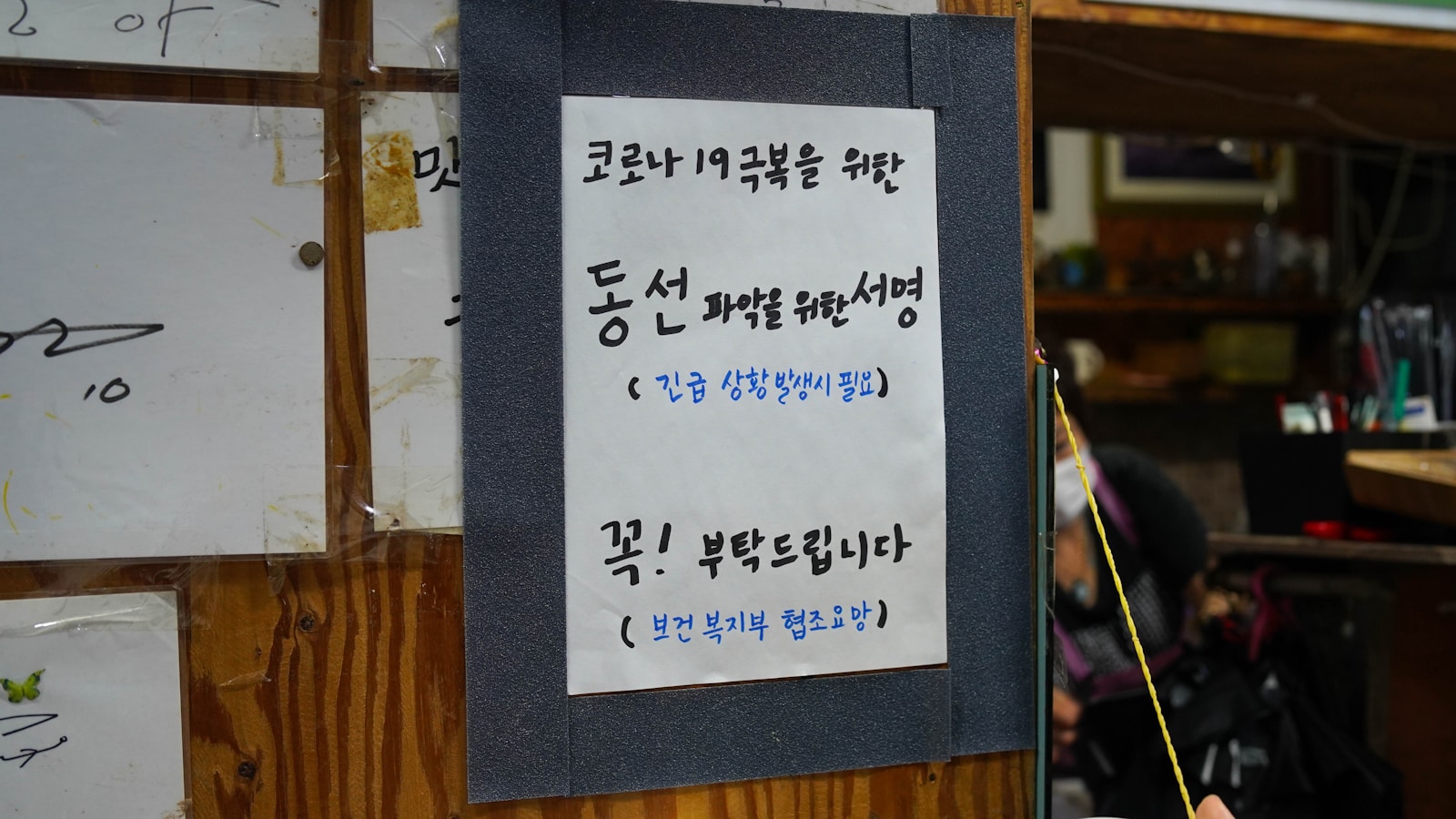
Language and Literature: The Soul of Korean Identity
The Korean language, known as Hangul, is a vital component of Korean identity and culture. Created in the 15th century by King Sejong the Great, Hangul was designed to promote literacy among commoners, offering an accessible writing system that replaced the complex classical Chinese characters previously in use. The design of Hangul is both scientifically precise and aesthetically pleasing, highlighting the ingenuity behind its creation.
Language in Korea is not just a means of communication; it embodies the nuances of cultural values and societal norms. The detailed honorific system reflects respect and hierarchy, influencing how Koreans interact with each other. This emphasis on politeness and formality underscores the collective nature of Korean society, where the dynamics of relationships play a significant role in everyday interactions. Understanding these linguistic subtleties is crucial for appreciating the deeper layers of Korean culture.
Korean literature, with its rich history and diverse genres, further enriches the cultural narrative. From classical poetry to contemporary novels, Korean literature explores themes of identity, love, and societal challenges. Renowned literary figures, such as Yi Sang and Kim Yong-ik, have made significant contributions to the literary landscape, capturing the complexities of the human experience through their works. The accessibility of Hangul has allowed for a flourishing of literature, enabling a wide audience to engage with these cultural expressions.
The oral tradition also plays a key role in Korean literature, with folk tales and storytelling woven into the fabric of society. These narratives often carry moral lessons and cultural values, serving as a means for passing down wisdom from generation to generation. Festivals and gatherings often feature storytelling sessions, allowing for the continued celebration of this rich oral heritage.
In the modern era, Korean literature has gained international recognition, with translations bringing the works of contemporary authors to global audiences. The success of novels like “The Vegetarian” by Han Kang and “Pachinko” by Min Jin Lee has showed the depth and diversity of Korean storytelling. This growing interest in Korean literature has builded cross-cultural dialogues, bridging the gap between Korea and the world.
As Korea continues to work through its place in a rapidly changing global landscape, the significance of language and literature remains steadfast. These cultural elements not only reflect the soul of Korean identity but also act as vehicles for expressing the richness of its heritage and the complexities of modern life.
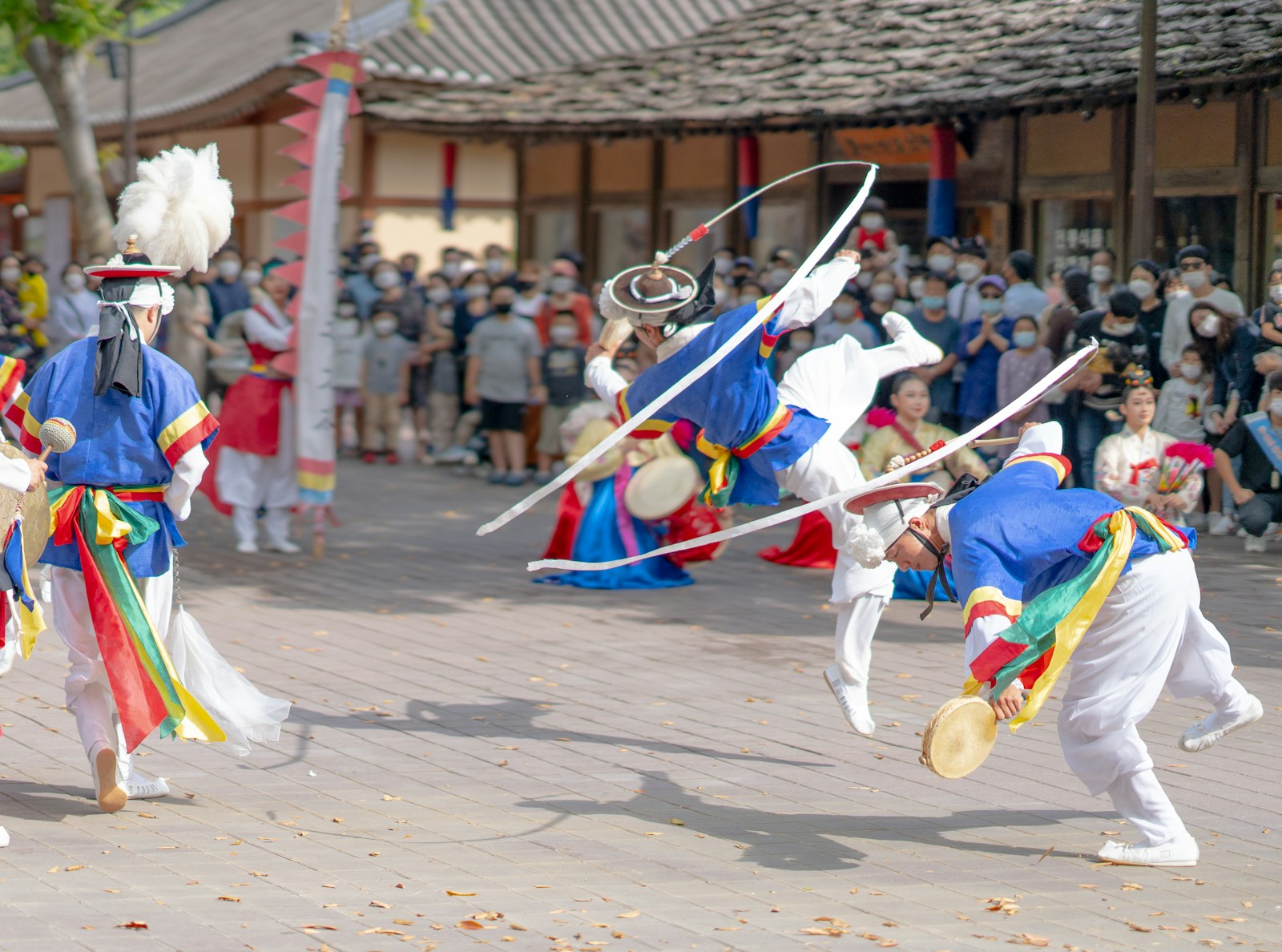
Music and Dance: The Heartbeat of Korean Heritage
Korean music and dance form an integral part of the nation’s cultural heritage, reflecting the rhythms of daily life and the communal spirit of its people. Traditional Korean music, known as gugak, encompasses a wide range of genres, from court music and folk songs to shamanistic chants. Instruments like the gayageum (a stringed instrument) and the janggu (an hourglass-shaped drum) are central to this musical tradition, each producing distinct sounds that evoke deep emotional resonance.
The significance of music in Korean culture extends beyond mere entertainment; it serves as a means of storytelling and preserving history. Folk songs, known as minyo, often convey the experiences of laborers, farmers, and rural communities, capturing the essence of daily life and struggles. These songs, passed down through generations, serve as a reminder of the resilience and strength of the Korean spirit.
Dance, too, plays a crucial role in Korean cultural expression. Traditional dance forms, such as fan dance (buchaechum) and drum dance (samulnori), are performed during festivals and celebrations, often accompanied by music that enhances the visual spectacle. These dances are not only artistic expressions but also embody cultural narratives and spiritual beliefs, showing the interconnectedness of music and movement in Korean traditions.
The historical context of Korean music and dance is significant, with influences stemming from Buddhist rituals, Confucian ideals, and shamanistic practices. The evolution of these art forms over time illustrates Korea’s adaptability, as they have incorporated new styles and genres while retaining their core cultural values. The introduction of Western musical elements in the 20th century spurred the evolution of contemporary Korean music, giving rise to genres like K-pop, which has gained global acclaim.
K-pop, characterized by its fusion of various musical styles and captivating choreography, reflects the innovative spirit of modern Korea. The meteoric rise of K-pop idols and groups has not only rejuvenated interest in traditional music but has also created a platform for cultural exchange on a global scale. The lively performances, elaborate music videos, and dedicated fan culture have transformed K-pop into a cultural phenomenon, showing the dynamic nature of Korean music.
As Korea works through the complexities of globalization, the preservation of traditional music and dance remains a priority. Efforts to promote gugak and folk dance through educational programs and cultural festivals highlight the importance of maintaining these art forms for future generations. Through music and dance, Koreans celebrate their heritage, ensuring that the heartbeat of their culture continues to resonate both nationally and internationally.
Modern Influences: Globalization and Its Impact on Tradition
Globalization has ushered in a new era of cultural exchange, significantly influencing Korean society and its traditions. The advent of digital technology and social media has transformed the way culture is consumed and shared, leading to a blending of traditional and contemporary practices. While globalization has introduced new ideas and lifestyles, it has also raised questions about the preservation of cultural identity amid rapid change.
One of the most visible impacts of globalization on Korean culture is the rise of K-pop, which has captivated audiences worldwide. This genre, characterized by its catchy melodies and elaborate choreography, has not only reshaped the global music landscape but has also sparked interest in other aspects of Korean culture, such as fashion, beauty, and cuisine. The international success of K-pop has created a cultural phenomenon that bridges gaps between nations, building curiosity and appreciation for Korean traditions.
However, the influx of foreign influences and ideas has also led to concerns about cultural dilution. Traditional practices and customs face challenges in an increasingly homogenized world where global trends often overshadow local traditions. The younger generation, influenced by Western culture, sometimes gravitate toward modern lifestyles, which can create a rift between generations. This dynamic tension poses questions about how to balance the preservation of cultural heritage with the allure of modernity.
In response to these challenges, there has been a resurgence of interest in traditional practices among younger Koreans. Cultural festivals, workshops, and events celebrating traditional arts and crafts have gained popularity, reflecting a desire to reconnect with their roots. Initiatives aimed at educating the youth about the importance of cultural heritage are being implemented, ensuring that the legacy of Korean traditions is not lost in the face of globalization.
the blending of traditional and contemporary styles has led to innovative expressions of culture. Designers and artists are increasingly incorporating traditional motifs into modern creations, resulting in a unique fusion that resonates with both local and global audiences. This creative fit demonstrates that tradition and modernity need not be mutually exclusive; rather, they can coexist and enrich each other.
As Korea works through the complexities of a globalized world, the challenge lies in finding a harmonious balance between embracing modern influences and preserving cultural identity. By celebrating their heritage while adapting to contemporary trends, Koreans can cultivate a dynamic cultural landscape that honors the past while looking toward the future.
In conclusion, exploring the rich mix of Korean culture and traditions reveals a society steeped in history, resilience, and creativity. From its historical roots and the influence of Confucianism to the energy of its celebrations, cuisine, clothing, language, music, and the impacts of globalization, Korea presents a multifaceted cultural landscape. As the nation continues to evolve in a rapidly changing world, the enduring significance of its traditions serves as a testament to the strength of Korean identity and a reminder of the importance of cultural preservation. Through this exploration, we gain a deeper appreciation for the beauty, complexity, and richness of Korean culture, which continues to thrive both locally and on the global stage.