
On March 1, 1919, a declaration was read aloud in Tapgol Park in Seoul. Within hours it was being read in villages and market squares across the peninsula. Two million people marched. Thousands were killed. The Japanese colonial government answered with fire and prison, and the movement kept moving anyway. This is the day Koreans call Samiljeol (삼일절).
Samiljeol is not a footnote. It is the March First Movement, the moment a colonized country stood up in the open and named itself. It shaped the constitution, the flag, and the language of every Korean independence effort that followed. Here is why the first of March still matters, and how families here in the Bay Area mark it.
Thus, Korean Independence Day is more than just a commemoration of a historical occasion; it represents the ambitions of a people who are united in their desire for freedom. This day is significant because it can serve as a reminder to the next generation of the strength needed to fight for their country’s freedom and the importance of remembering those who gave their lives in the process.
Korean Independence Day is a fundamental part of South Korea’s history and is ingrained in the national consciousness. In order to inculcate the principles of freedom and democracy in the next generation, schools, communities, and government institutions commemorate the day with a variety of rituals and educational initiatives. March 1st, being a national holiday, brings people together for introspection and commemoration.
The history of Korean Independence Day continues to have an impact on current debates in South Korea over nationalism, identity, and sovereignty. Koreans can examine their challenges and accomplishments over the previous century through the prism of this day’s historical backdrop.
Thus, comprehending the beginnings of Korean Independence Day lays the groundwork for appreciating its importance in the context of Korea’s larger historical arc, opening doors for the future.
The March 1st Movement: An Independence Battle
A crucial mass demonstration against Japanese colonial control, the March 1st Movement of 1919 inspired the Korean people to pursue independence. March 1 saw the reading of the Korean Declaration of Independence, which sparked a movement that swiftly united people from all walks of life, including intellectuals, farmers, and students.
Thousands of people were killed and many more were arrested as a result of the Japanese government’s violent suppression of protestors, highlighting the extreme persecution that Koreans endured during this volatile time. The movement had an impact that went beyond its immediate effects and signaled the beginning of a larger fight for national identity and self-determination. Many covert independence groups formed during this period, striving to maintain the struggle for liberation.
The March 1st Movement’s tenacity demonstrated the value of public participation in the defense of national rights. The movement was successful in bringing attention to Korea’s predicament, exposing the evils of colonial control to the international community, and promoting a global conversation about imperialism and colonialism in spite of the harsh suppression.
Many Korean exiles stepped increased their efforts overseas to garner foreign support for their cause of independence after the movement. As part of this, a provisional government representing Korea’s sovereignty and vying for international recognition was established in Shanghai.
The March 1st Movement cemented the idea of a shared national identity, generating pride among Koreans and serving as an inspiration for next generations of liberation fighters. The March 1st Movement’s values are still ingrained in South Korean society today, serving as a historical backdrop for current campaigns for democratic governance and human rights.
The March 1st Movement’s legacy is honored not only as a day of memory but also as an illustration of the strength of cooperation and group effort, bringing attention to the costs incurred in the fight for freedom.
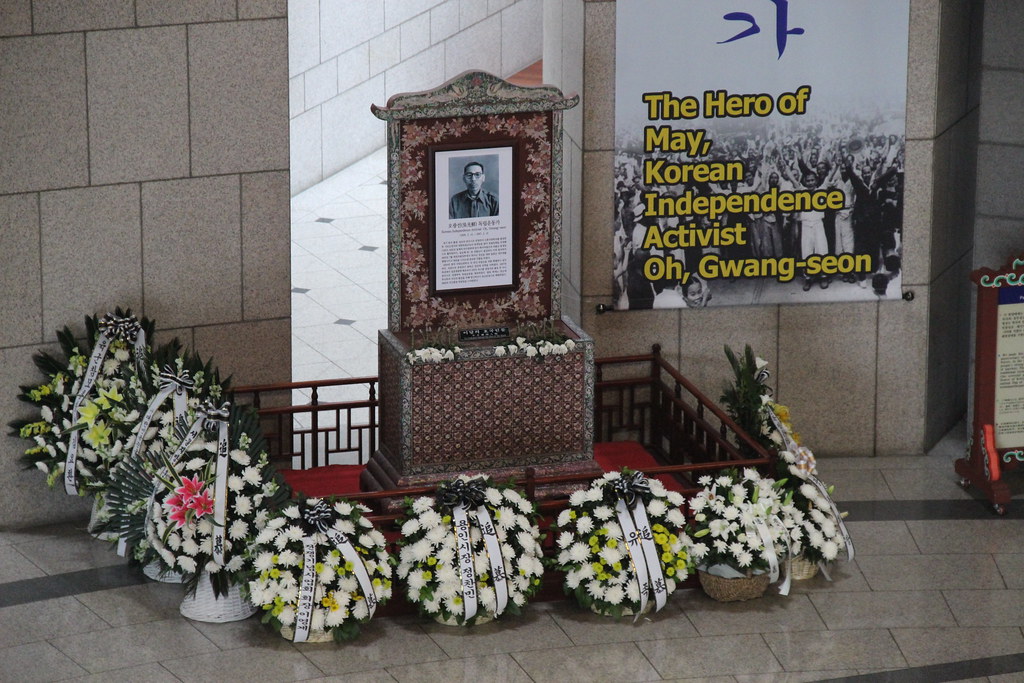
Important Persons in Korea’s Independence Movement
Many influential people played a pivotal role in the struggle for Korean independence, inspiring national pride and guiding the independence movement. Kim Gu, who rose to prominence as a proponent of national unification and a symbol of Korean sovereignty, was one of the most well-known leaders. He is recognized for his unwavering dedication to Korean independence and was a key player in the 1919 founding of the Korean Provisional Government.
Ahn Chang Ho, a teacher and activist who devoted his life to advancing Korean nationalism and reform, was another important person. His establishment of a number of groups intended to organize the populace for the fight against Japanese authority was crucial. His focus on civic engagement and education created the foundation for next generations to pursue patriotic goals.
Renowned poet and scholar Yun Dong-ju is also praised for having encapsulated the spirit of defiance against injustice in his moving poetry. Many people continue to find inspiration in his poetry, which represents the universal human longing for freedom and dignity. His art, which captures the sufferings of a whole country, is still relevant in Korean culture even after he was imprisoned by the Japanese.
overseas operations were conducted by independence activists such as Lee Soon-sin and Seo Jae-pil, who promoted Korea’s rights internationally. They aimed to draw attention to the suffering of their compatriots and enlist the aid of powerful nations. These leaders’ and several others’ actions highlight the independence movement’s cooperative spirit as they cooperated to accomplish a shared objective.
In addition to having significant historical roles in Korean history, these individuals left behind cultural legacies that still influence and mold South Korea’s contemporary identity. Their bravery and tenacity highlight the story of adversity and resiliency that is fundamental to Korean Independence Day.
In the end, honoring significant individuals in Korea’s independence movement inspires modern advocates for justice and equality and echoes the demand for solidarity in the face of hardship.
Japan’s Occupation: Background and Korean Repercussions
Throughout the 1910, 1945 Japanese occupation of Korea, a number of oppressive measures were implemented in an effort to deprive Koreans of their national identity and assimilate them into Japanese culture. Economic exploitation, cultural persecution, and attempts to eradicate Korean language and history were the hallmarks of this era, which caused considerable dissatisfaction and unrest among the populace.
Significant changes took place in Korea while it was ruled by Japan, including the forced labor of a large number of Koreans under severe conditions in military installations and enterprises. The farmers suffered because of unfair tactics that resulted in poverty and economic inequality, and the land was taken over by the Japanese for their own usage. Due to the effects of these measures, there was a breach between the local population and the invaders, which stoked animosity and encouraged a de facto independence movement.
Through the forced adoption of the Japanese language and other cultural traditions, the Japanese aimed to suppress Korean heritage on a cultural level. Intellectuals and artists who worked to protect and advance Korean customs and identity via literature, art, and education were outraged by this cultural imperialism.
But opposition was also stoked by the crackdown. The sufferings of the occupation created the conditions for a rise in nationalist feelings as Koreans began to express their desire for independence and self-rule more and more. These circumstances directly led to the formation of the March 1st Movement, which marked the end of years of unhappiness.
The Korean people’s thirst for independence grew stronger as the occupation went on, sparking major riots and acts of civil disobedience. Despite harsh retaliation from the Japanese government, the resistance movement thrived, highlighting the unwavering desire for national liberation.
Recognizing the significance of Korean Independence Day requires an understanding of the background and effects of the Japanese occupation. It represents the larger worldwide struggle against colonialism and acts as a historical reminder of the Korean people’s tenacity and the lengths they went to in order to preserve their sovereignty.
Customs and Festivities related to the Holiday
Korean Independence Day is observed with a variety of rituals and events honoring the Korean people’s tenacity in the liberation struggle. The national flag-raising ceremony, where the Korean national flag, known as the “Taegeukgi,” is flown conspicuously, is one of the day’s main highlights. This serves as a reminder of the Korean people’s battle for sovereignty and symbolizes their unwavering spirit.
Students take part in educational programs in schools that teach them about the significance of March 1st and the background of independence throughout history. The events of the March 1st Movement are frequently the subject of reports, essays, and projects that aim to educate the younger generation about history and to create a sense of pride in them.
To honor the significance of the day, public addresses by national leaders and government representatives are scheduled. These lectures frequently highlight the necessity for continual vigilance and civic engagement, reflecting on the sacrifices made during the independence fight and reiterating the ongoing battle for democracy and human rights.
In honor of the independence fighters and to promote Korean heritage, cultural events and exhibitions are held. As traditional dance, music, and theater honor the independence fighters’ sacrifices, they also highlight the depth of Korean culture. Exhibitions of art could include pieces that illustrate the fight for independence, linking historical occurrences with modern manifestations of national identity.
Apart from official celebrations, families and communities frequently come together to contemplate their common past. In order to promote a feeling of community and belonging, traditional dishes are cooked, and activities may include telling tales of resiliency and memory.
Korea’s Independence Day celebrations show the country’s sense of unity and dedication to honoring its history while promoting optimism for the future. These kinds of festivities help to strengthen people’s sense of unity and pride in their country.
Education’s Function in Preserving Independence Day
Education is essential to celebrating Korean Independence Day since it aims to give the next generation an awareness and appreciation of their heritage. Curriculum that teaches pupils about the significance of March 1st and the significance of the nation’s struggle for independence is promoted by schools all around South Korea.
Teachers build critical thinking among students regarding national identity, sovereignty, and the importance of civic involvement by incorporating teachings on the independence movement into their social studies and history curricula. Their comprehension of the nation’s challenges and victories is further enhanced by a number of initiatives that entail research on important historical people and events in Korea.
Schools host extracurricular activities and assemblies where kids can act out historical events or recite poems that embody the spirit of resistance. These first-hand encounters help children feel a stronger emotional bond with their ancestry and could even motivate them to fight for social justice.
educational establishments frequently work with government agencies to create initiatives that instill patriotism and provide historical knowledge. Workshops, invited talks, and community outreach programs emphasize the value of passing down information about the significance of freedom movements across generations.
More broadly, universities in South Korea are essential to the advancement of studies on Korean history and the independence movement. Historians and academics add to our understanding of the past and set the stage for current debates about nationalism, politics, and identity.
Through education, South Koreans commemorate Independence Day with the goal of raising knowledgeable citizens who appreciate freedom, democracy, and social engagement as well as the historical background of their country. The Korean people make sure that the sacrifices made for freedom are never forgotten by including historical lessons into their educational system.
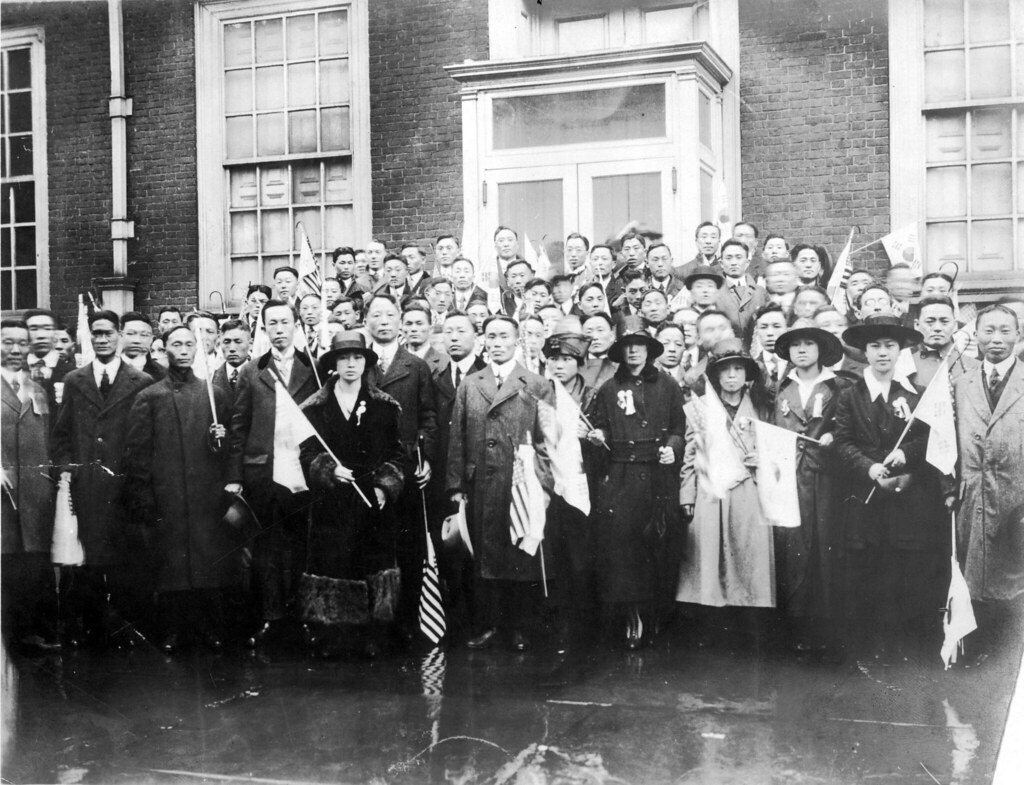
International Appreciation and Assistance for the Freedom of Korea
Throughout history, the March 1st Movement in particular brought attention from throughout the world to the Korean independence movement. Global assistance was important in escalating Korea’s protests and complaints against the Japanese colonial government. In an effort to be acknowledged for their fight for sovereignty, activists looked for the support of powerful nations.
The leaders of the 1919 protests wrote statements and petitions in several languages, which they then sent to media outlets and foreign governments. The goals of this outreach were to raise awareness of the suffering of Koreans living under Japanese control and to mobilize support for Korea’s freedom on a global scale.
Key participants in the international debates over colonialism and self-determination in the early 20th century included the United States, China, and Russia. Woodrow Wilson’s Fourteen Points, which promoted the principles of self-governance, had an impact on Koreans who were looking for recognition for their effort.
representatives from Korea were given a forum to express their demands for independence during the post-World War I Peace Conference. The simple act of expressing agency in the international arena demonstrated Korea’s determination to fighting for their rights, even though their cries were frequently ignored.
Many Korean diaspora organizations arose in the years that followed, with the goal of mobilizing compassion and assistance from around the world. These groups put up a lot of effort to spread the word about colonialism and imperialism’s wider ramifications in addition to Korean independence.
In the continuous struggle for justice and human rights, recognition and assistance from other countries continue to be vital. Korean Independence Day is a call to action for all nations to resist oppression and tyranny, as well as a reminder of the value of international cooperation and solidarity in the fight for independence.
Considering the Future: The Celebration of Korean Independence Day
Korean Independence Day provides a chance to consider South Korea’s past, present, and future as the country continues to change. In addition to honoring past battles, the day raises the issue of how Koreans can meet modern difficulties and maintain their commitment to independence and democracy.
The stories around Korean identity and the meaning of independence may alter in an era of globalization and rapid change. Young South Koreans, who are combining traditional values with modern concepts, are in a unique position to rethink what the heritage of independence means. Their involvement with the country’s past can help them comprehend the lessons more fully and how they relate to current social challenges.
Korean Independence Day may develop from a purely historical occasion to a celebration of harmony, peace, and reconciliation as world events continue to influence Korea’s place in the globe. The country needs to address North-South relations, and understanding and communication can start with recognizing the historical background of the divide.
the ongoing worldwide support for human rights serves as a reminder to Koreans that the struggle for independence transcends national boundaries. International cooperation and the expression of common ideals can be strengthened by supporting fights for democracy and autonomy in different situations.
Finally, while Korea remembers its history, it is critical to preserve the spirit of independence in contemporary social justice and governance. The nation’s dedication to democratic principles, which were formed in the crucible of historical struggle, can be strengthened by supporting civic engagement projects and fighting for the rights of oppressed groups inside the country.
Looking ahead, Korean Independence Day can represent a dedication to creating a better, more just future for all Koreans as well as a commemoration of historical accomplishments. The day serves as a reminder that achieving freedom is a continuous process that calls for commitment, watchfulness, and cooperation.
The ceremonies of March 1st, which commemorate Korean Independence Day, perfectly capture the spirit of resiliency and the continuous dedication to the ideals of freedom and self-determination. This day continues to strengthen and unite the Korean people’s identity, from its historical roots in the resistance to colonization to its contemporary relevance. Future generations uphold the heritage of those who battled for independence as they apply the lessons learned from history. By commemorating this day, Koreans look back on their history and look forward to a time of democracy, peace, and unification.