
On Seollal morning, before the food is served, someone always finds the yut sticks. Four pieces of wood, four possible throws, and an entire room of cousins suddenly loud. My mother says her father used to keep his set wrapped in silk, unwrapped once a year. The game is older than any of us. It is also the fastest way to pull three generations onto the same floor.
The games we played on Seollal and Chuseok are not decoration. Yut nori, jegichagi, tuho, neolttwigi. Each one belongs to a season, a room, a hanbok that lets you move. This is a short field guide to the games that still travel with Korean families, the ones our children learn on the living-room rug before they ever see them played in Seoul.
Interestingly, traditional activities on holidays such as Korean Independence Day encourage participation from all segments of society and contribute to the promotion of national unity. Families strengthen their cultural inheritance by participating in these activities, which help them remember the hardships and victories of their ancestors.
the games’ attraction transcends to metropolitan settings where younger generations can be becoming more and more cut off from traditional practices. Families may guarantee that their children learn about their identity and cultural past and establish a stronger bond with their roots by conserving these games.
In the end, Korean games make holiday festivities more joyful, humorous, and experiential by converting unremarkable get-togethers into significant cultural occasions. They capture the spirit of Korean society, which combines unity, pride, and history.
Customary Korean Sports: An Insight into Tradition
Customary Korean sports embody the essence of the country, exhibiting its principles and subtle cultural distinctions. A lot of games have historical resonance and serve as a symbol of inherited memories from previous generations. These are not merely leisure pursuits; rather, they are enjoyable teachings that impart knowledge of strategy, cooperation, and respect.
Originally intended to commemorate seasonal cycles and the value of harvests and family unity, many games have their roots in agrarian civilization. Yut Nori, for instance, is more than just a game of chance; it represents the value of gathering and is frequently played during the fall harvest festival, showing the significance of agriculture in Korean society.
detailed card games like Hwa Tu, which shed light on social connections and family dynamics in Korean history, are examples of games that do this. This game’s ties to different legends illustrate its storytelling potential and serve as a means of educating the next generation about their cultural heritage.
Additionally, these ancient games are becoming more and more valued as cultural legacies worth conserving as South Korea steps into a new global century. They are now part of school curricula, ensuring that kids learn about their ancestry in an entertaining and participatory way.
Essentially, Korean video games serve as windows into the country’s cultural fabric, providing understanding of societal norms, historical accounts, and shared memories. They play an essential role in preserving the wealth of the past for future generations.
Important Korean Holidays Honoring Special Games
Traditional games play a significant role in the celebration of several major holidays in South Korea. The Lunar New Year, Seollal, offers the ideal setting for family-bonding events that pay tribute to ancestors. Yut Nori, a game that encourages friendly rivalry and teamwork, is one of the most played games during this period.
Another event that inspires a variety of games is Chuseok, often known as the Korean Harvest Festival. Families get together to enjoy activities that center around themes of abundance and gratitude while also celebrating the bountiful harvest. These activities serve as a reminder of the holiday’s agricultural origins as well as the importance of community cohesion and tradition.
On August 15, Korean Independence Day, there are games that highlight solidarity and pride in the country. Families honor their past and the value of freedom by participating in both classic games and modern sports. It builds a sense of responsibility and memory while strengthening the bonds between generations within the family.
While Pepero Day, observed on November 11th, may not be the most traditional holiday, family and friends frequently participate in enjoyable games and activities that honor sharing and showing appreciation for one another through the exchanging of Pepero sticks.
These celebrations highlight certain sports while also highlighting how ingrained these pastimes are in Korea’s social and cultural fabric. Games put holidays into context, transforming them into complex experiences of introspection, participation, and unity.
Well-known Korean video games and their historical importance
A few games stand out among the many others performed during Korean holidays due to their historical relevance and widespread appeal. With its straightforward rules and subtle strategic depth, Yut Nori is arguably the most well-known. Its history stems from the fact that warriors used it to practice strategy and forethought, leaving a heritage that values both enjoyment and tactical thinking.
Traditional card games like Hwa Tu have their origins in Korean folklore. Families engage in storytelling while playing this game together, which enhances the cultural experience. The game’s capacity to cross generational boundaries is important because it maintains traditional tales while acting as a bridge between the past and present.
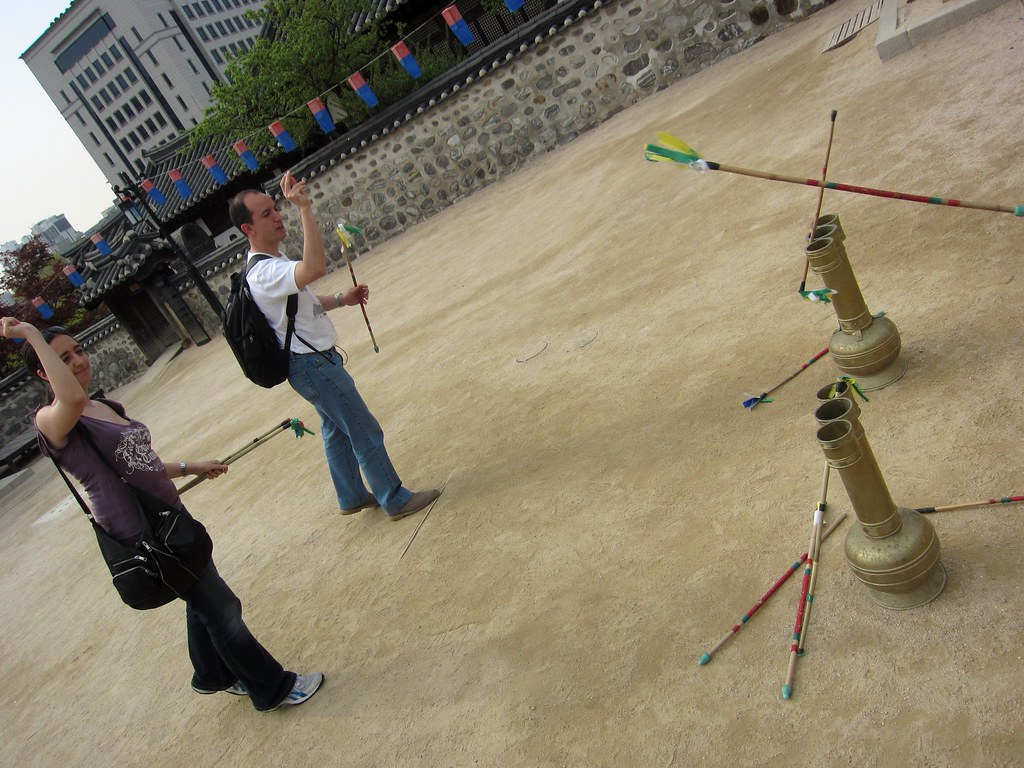
Tuho is another well-liked game where players toss sticks into a canister. Once a sport for competition, tuho has become a mainstay at many festivals and get-togethers for families, signifying dexterity and talent. This game builds an atmosphere of friendly competition among players, which promotes laughter and togetherness.
studying Korean games might reveal aspects of spirituality, folklore, and communal values. In Korean history, physical prowess and bravery have been highly valued qualities, and this is exemplified in the game of Ssireum, which is akin to wrestling.
These kinds of games combine strategy, storytelling, and physical prowess to create something more than just entertainment. They are representations of South Korea’s rich cultural heritage. Families get a profound understanding of their culture and the values that have defined their civilization by playing these games together.
How Korean Video Games Promote Fun and Family Time
During Korean holidays, playing traditional games together is a common way for families to bond. These age-neutral activities build engagement from grandparents to grandkids, building a special environment of intergenerational bonding. When interacting with their elders, children acquire important life skills including cooperation, resilience, and strategy.
Laughing together and playing nice encourage stronger bonds; the holidays are less about gifts and more about quality time spent with loved ones. Playing classic games is sometimes more exciting than giving gifts or purchasing actual goods, putting the emphasis on experiences rather than stuff.
The activities also promote storytelling among family members, which facilitates the sharing of personal tales and cultural values that fortify family bonds. By playing Hwa Tu or Yut Nori and sharing their memories, grandparents help younger generations learn more about their past and promote a deeper appreciation of Korean history.
Families can build a sense of humor and cultural pride by celebrating these games, which can lighten the mood. The enjoyment had there sometimes results in treasured memories that are talked about at subsequent get-togethers.
In addition, gathering for games builds a friendly, loving family environment that everyone looks forward to, converting holidays into colorful events full of happiness, humor, and camaraderie.
Classic Games: Hwa Tu, Yut Nori, and Others Investigated
Hwa Tu and Yut Nori are two of the most notable Korean video games. The game board in Yut Nori has routes that stand in for movement and strategy, and the player uses four wooden sticks that act as dice. Yut Nori is a captivating experience for people of all ages because, in addition to being enjoyable, it represents the ideals of fate and chance.
Hwa Tu transports players into a realm of tradition and strategy through the use of a set of specially crafted cards. During the holidays, the game is very popular since it serves as a platform for storytelling and a kind of entertainment. The game cards’ accompanying narratives evoke memories, so reinforcing the activity’s cultural relevance.
Jegichagi, a traditional Korean hacky sack game, is another game that’s worth mentioning because it encourages kinetic engagement and skill development. Frequently engaged in by both kids and adults, it promotes collaboration and rivalry while illuminating Korea’s colorful street culture.
One particular standout favorite is Tuho. When played in a large outdoor space, it promotes social contact and physical activity. In this game, which is perfect for families to enjoy over different holidays, players must aim and launch wooden arrows into a container.
These games build interaction among players through the combination of humor and strategy. They provide as treasured holiday memories and operate as conduits for the dissemination of culture, guaranteeing the continuous celebration of South Korea’s rich cultural legacy.
Korean Game Innovations for Contemporary Celebrations
Traditional games are undergoing creative adaptations fit for modern culture as South Korea continues to embrace modernity. There have been attempts to incorporate technology into more conventional activities, which demonstrate how games can change without losing their core elements. These days, a lot of families are using digital versions of games like Hwa Tu to ensure that everyone can play and to bridge the generational divide.
The popularity of board games and online Yut Nori variations has made it possible for family game nights to transcend geographical boundaries, particularly for those with distant family members. These modifications give families additional opportunities to interact and have fun, strengthening their bond even while they are away.
It has also becoming more and more common to provide South Korean street food during game celebrations. Many families turn traditional game-playing into a gastronomic event that serves to celebrate culture in all its forms by adding delectable snacks and drinks, like Korean cider or specialized goods, to their game nights.
To draw in younger generations, there are often organized tournaments and special events that feature traditional games. Universities and community centers frequently organize cultural festivals that highlight these age-old pastimes and entice new participants to learn more about the history of the games.
All things considered, innovation revitalizes classic Korean games, guaranteeing that the gameplay style always changes but the core is unaltered. In order to make festivities inclusive of people of all ages and to preserve legacy while promoting interest in Korean cultural customs, this is essential.
Maintaining Customs: The Prospects for Korean Holiday Games
Holiday games in Korea have a bright future ahead of them as long as communities band together to protect these priceless customs and encourage contemporary modifications. School curriculum are incorporating educational activities to teach younger generations about traditional games, with a focus on the significance of cultural history and identity.
Initiatives from the national and municipal governments are also essential to preserving traditional games. During the holidays, local craftspeople and cultural specialists can participate in educational games thanks to funds and initiatives designed to rekindle interest in traditional customs.
scholarly research on traditional Korean games is beginning to appear, highlighting the importance of these pursuits. Scholars examine the cultural, psychological, and sociological dimensions of games, aiding in their preservation. This increasing focus builds a more full comprehension of the customs prevalent in Korean culture.
Concurrently, digital channels are valuable tools for preserving and disseminating the narratives, regulations, and nuances of Korean video games, guaranteeing their continued accessibility to a worldwide viewership. Gamers can interact and exchange their gaming experiences via social media and streaming services, building a global interest.
In the end, maintaining Korean holiday games necessitates a well-rounded strategy that embraces innovation while honoring tradition. Future generations will continue to benefit from the atmosphere of family unity, cultural identification, and celebration that these games generate, both domestically and internationally.
Discovering Korean games around the holidays offers much more than simply entertainment; it’s a rich mix of customs, culture, and interpersonal relationships. Families who play these games together not only preserve their cultural history but also relive happy experiences. Looking ahead, it is evident that Korean games will remain an essential component of holiday festivities in South Korea, providing happiness and harmony to families for many generations to come.